-
What Are Some Early Signs of Colon Cancer
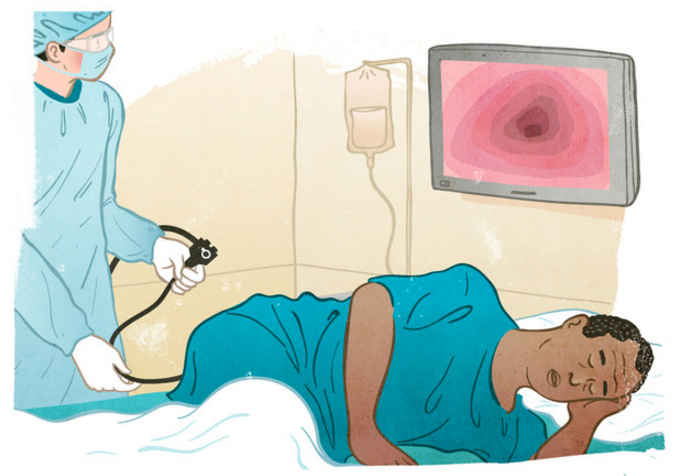
Colon cancer is the third most commonly diagnosed cancer in the United States. Understanding this condition can help you recognize warning signs and seek appropriate medical care. Early detection can improve treatment outcomes and survival rates. Here is more information on this type of cancer, its causes, early symptoms, and when to consult a specialist:…
-
Common Triggers of Palpitations and How to Manage Them

Palpitations are sensations of a rapid, fluttering, or irregular heartbeat. Many people experience palpitations at some point, which can be alarming even when not dangerous. They can result from a variety of factors, including stress, caffeine, certain medications, or hormonal changes. Identifying the cause of palpitations helps guide appropriate management and lifestyle adjustments. Keeping a…
-
Questions To Ask Your Child’s Pediatrician

A pediatrician serves as the primary guide for your child’s health, development, and overall well-being. Asking questions during visits helps parents better understand growth milestones, vaccination schedules, and routine checkups. Children’s health can change rapidly, so having clear answers helps parents feel prepared for each stage. Questions also give pediatricians the opportunity to tailor advice…
-
IV Infusion Therapy: How It Supports Immune Health and Detoxification

IV infusion therapy is an intravenous method of delivering fluids, vitamins, minerals, and other nutrients directly into the bloodstream. Unlike oral methods, this approach bypasses the digestive system, enabling nutrients to reach cells more directly. It’s omay be customized to support various health needs, including immune system maintenance and detoxification. Here is how IV infusion…
-
Natural Hormone Therapy: A Safe and Effective Alternative to Synthetic Hormones

Natural hormone therapy is being used as an alternative to synthetic hormones in traditional treatments. By using hormones derived from natural sources, these therapies are designed to mimic the hormones naturally produced by the body. They aim to address hormonal imbalances in a manner that feels more in sync with the body’s natural processes, offering…
-
Different Types of Asthma and Their Symptoms

Asthma is a chronic respiratory condition that causes breathing difficulties that can range from mild to life-threatening. It involves inflammation and narrowing of the airways, making it difficult for air to flow in and out of the lungs. Proper diagnosis and management require comprehensive evaluation by qualified healthcare providers who specialize in respiratory conditions. Understanding…
-
Skin Rejuvenation Trends: What’s Popular This Year

Cosmetic dermatology encompasses a range of medical procedures designed to enhance and address aesthetic concerns. This specialized field combines medical expertise with advanced technologies to help patients achieve their desired skin goals. Here’s information on current skin rejuvenation trends and how they can benefit you: Skin Rejuvenation Treatment Basics Skin rejuvenation treatments are medical procedures…
-
What To Expect From Cancer Care

Cancer care involves a range of medical services to detect, treat, and manage cancer. Modern facilities offer patients access to specialized medical teams, advanced diagnostics, and comprehensive treatments. Knowing what to expect from quality cancer care helps patients make informed decisions about their treatment. Here are some of the key elements of quality cancer care…
-
What Patients Should Know About Pacemakers
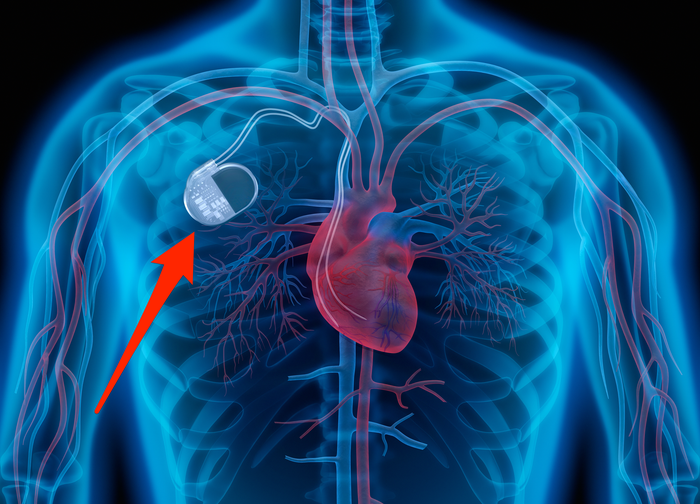
Pacemakers are small medical devices that help regulate abnormal heart rhythms by delivering electrical impulses to the heart muscle. These devices play a role in managing various cardiac conditions. Understanding how they function, when they’re necessary, and what to expect can help patients make informed decisions about their cardiac care. How Pacemakers Work A pacemaker…
-
he Connection Between Diabetes and Foot Ulcers
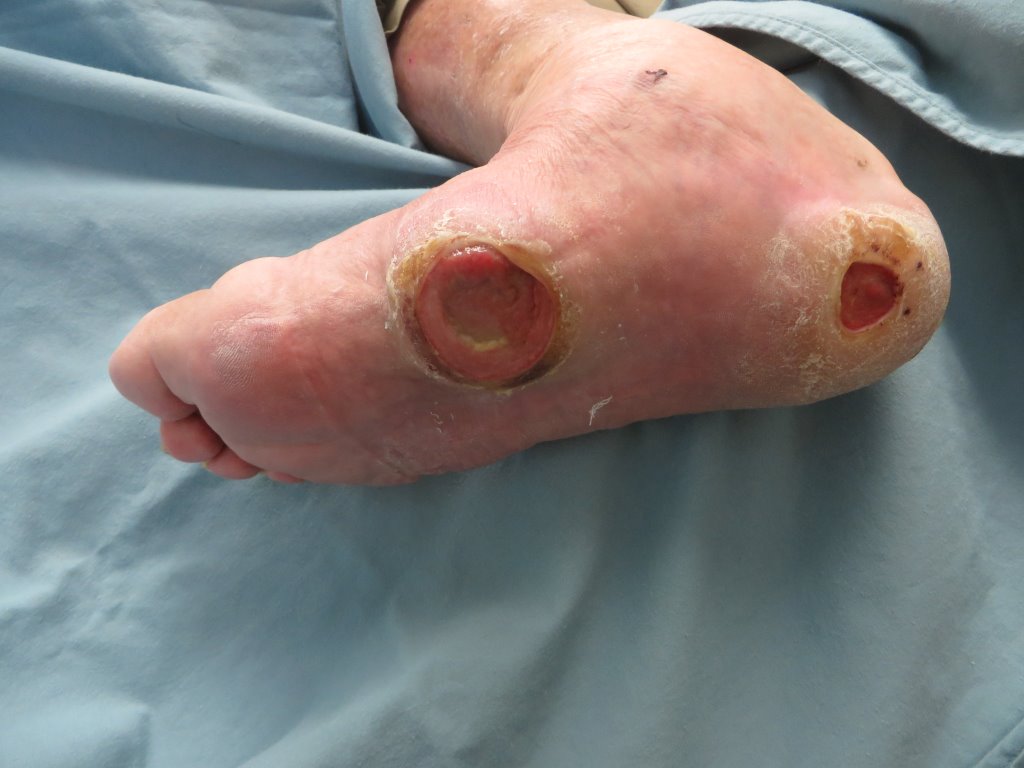
Diabetes affects millions of people worldwide and can lead to various complications throughout the body. One of the most serious complications involves the development of foot ulcers, which occur in approximately 15% of people with diabetes. Understanding this relationship helps recognize risk factors, implement preventive measures, and seek appropriate diabetic wound care when needed. Impacting…