-
How to Build a Strong Patient-Dermatologist Relationship

A dermatologist does more than diagnose and treat skin conditions; they serve as a long-term partner in maintaining healthy skin. Building a strong relationship with your dermatologist fosters better communication and encourages proactive care. Here’s how to build a strong patient-dermatologist relationship: Communicate Openly Effective communication serves as the cornerstone of any successful patient-dermatologist relationship.…
-
4 Common Cardiology Procedures
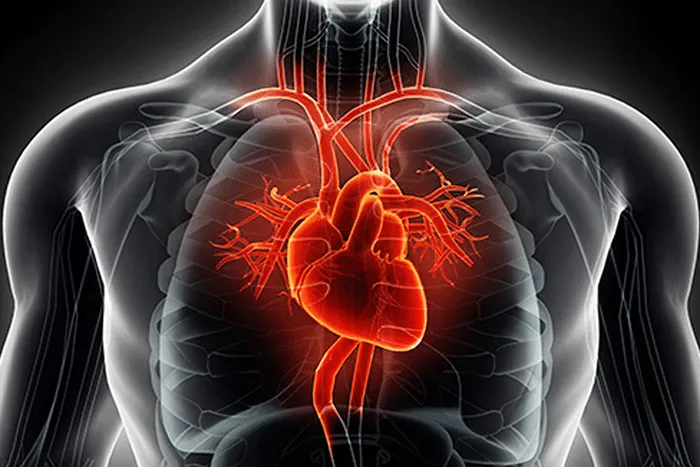
Cardiovascular conditions make cardiology procedures a necessary component of modern healthcare. These interventions help restore proper heart function, improve blood flow, and enhance quality of life for patients with various cardiac conditions. Understanding the most frequently performed procedures can help patients make informed decisions about their cardiovascular care and prepare for potential treatment options. Angioplasty…
-
Understanding the Process of Spinal Cord Stimulation Implantation: What to Expect

Spinal cord stimulation is a medical procedure that uses low-level electrical impulses to manage chronic pain by delivering them to the spinal cord. A small system sends signals that may alter how pain is perceived. The process progresses in stages, from evaluation through potential implantation, and involves planning, short trials, and fine-tuning of device settings.…
-
Exploring the Role of General Surgeons in the Healthcare System

General surgeons play a wide-ranging role in the healthcare system by addressing many conditions that require surgical procedures. Their training covers multiple areas of the body, allowing them to operate on the digestive tract, skin, soft tissues, and more. Because of this broad expertise, general surgeons often become the first surgical specialists patients encounter when…
-
Neurorehabilitation: The Path to Recovery from Severe Brain Injuries

Severe brain injuries can significantly impact movement, thinking, speech, and behavior. They can result from trauma, stroke, infection, lack of oxygen, or surgery. Although their causes differ, the goals of neurorehabilitation remain the same: to identify deficits, monitor progress, and deliver targeted care and treatment. Here is how evaluation, testing, and personalized treatments work together…
-
Common Neurological Disorders and How They’re Treated

Neurology is the field that studies and treats conditions involving the nervous system, which includes the brain, spinal cord, and nerves. Some of the most common neurological disorders are migraines, epilepsy, multiple sclerosis, Parkinson’s disease, and Alzheimer’s disease. Migraines can disrupt daily life with recurring headaches that are often severe and difficult to manage. Epilepsy…
-
How Heart Specialists Approach the Treatment of Hypertension

A heart specialist plays an active role in guiding patients through the challenges of hypertension. Hypertension, often called high blood pressure, requires careful evaluation and a tailored plan for management. A heart specialist begins by assessing lifestyle patterns, daily routines, and personal health goals to create an approach that feels achievable. They look beyond numbers…
-
Understanding Liver Function Tests

Gastroenterologists specialize in diagnosing and treating conditions affecting the digestive system, including the liver. Patients may benefit from visiting these specialists when experiencing symptoms related to liver function or when routine blood work indicates potential liver abnormalities. Liver function tests represent one of the primary diagnostic tools these physicians use to assess liver health and…
-
Family Medicine’s Approach to Geriatric Care and Quality of Life

Family medicine provides a comprehensive framework for addressing the unique health needs of older adults. Family doctors make sure that seniors receive personalized attention that supports both their physical health and overall quality of life. This holistic approach not only treats medical concerns but also prioritizes independence, comfort, and well-being as patients age. Prioritizing Continuity…
-
Understanding the Connection Between Depression and Geriatric Health

Depression affects people at any age, but in older adults, its patterns and associations can be distinct. As people age, they may experience health changes, role transitions, and alterations in their daily living and social connections. Understanding how depression interacts with geriatric health promotes informed discussions and decision-making, prompting individuals to seek out a depression…