-
Ways Morpheus8 Helps With Skin Rejuvenation

Skin aging affects everyone, and many people seek effective solutions to restore their skin’s natural appearance. Morpheus8 represents an advanced approach to skin rejuvenation that combines radiofrequency energy with microneedling technology. This treatment addresses multiple skin concerns while promoting natural healing processes. What is Morpheus8? Morpheus8 is a fractional radiofrequency microneedling device that targets deeper
-
How to Build a Strong Patient-Dermatologist Relationship

A dermatologist does more than diagnose and treat skin conditions; they serve as a long-term partner in maintaining healthy skin. Building a strong relationship with your dermatologist fosters better communication and encourages proactive care. Here’s how to build a strong patient-dermatologist relationship: Communicate Openly Effective communication serves as the cornerstone of any successful patient-dermatologist relationship.
-
What To Expect During Your First Visit to a Dermatologist
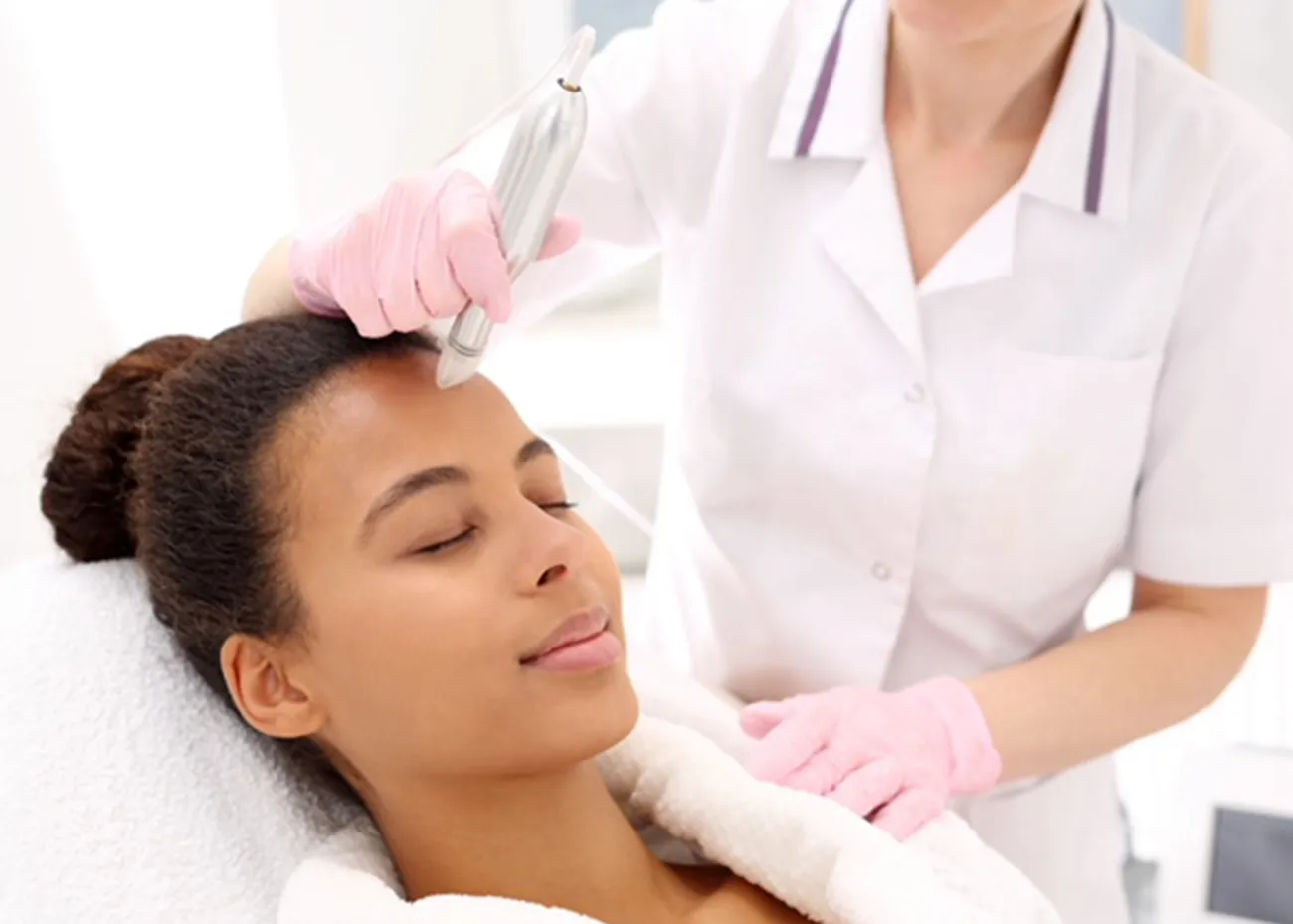
Dermatological care addresses both medical and cosmetic skin concerns through evidence-based treatments. Whether you’re dealing with persistent acne, suspicious moles, or aging concerns, dermatologists provide specialized expertise to address your concerns. Understanding what to expect from a first visit helps prepare you for a productive consultation. Here is more information on dermatology care, from the initial
-
The Benefits of Seeing a Dermatologist for Rosacea Management
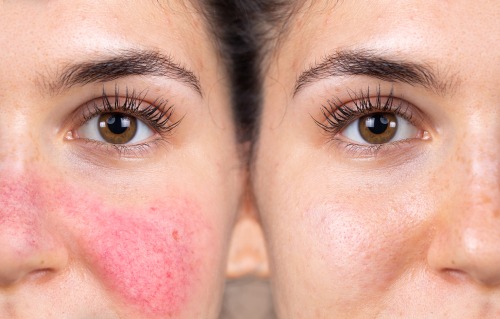
Rosacea is a chronic skin condition that affects more than 14 million people in the United States. It requires specialized care to prevent progression and manage symptoms effectively. Understanding when to consult a dermatologist can significantly impact treatment outcomes and overall quality of life. Professional dermatological care provides access to prescription treatments, accurate diagnosis, and personalized
-
The Role of Skin Care in Maintaining Face Lift Results

A face lift procedure provides dramatic facial rejuvenation, but the surgery marks the beginning rather than the end of your aesthetic journey. Post-surgical skin care plays a fundamental role in preserving your investment and maximizing the longevity of your results. Understanding how to properly care for your skin after a facelift helps maintain the improvements
-
The Role of Nutrition in Preventing Hair Loss

Hair loss is a common concern for many people, with various factors contributing to changes in hair health. While causes may include genetics, stress, or lifestyle choices, nutrition also plays a key role in maintaining healthy hair. Diet impacts the strength, growth, and condition of your hair, making it an area worth exploring if thinning
-
Mohs Surgery for Sensitive Skin Areas: Key Considerations
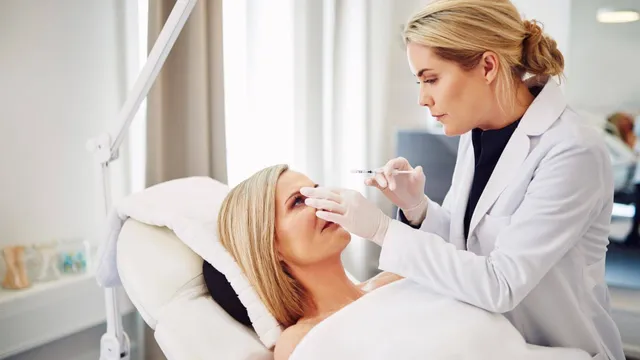
Mohs surgery is a specialized technique used to treat skin cancer with a focus on preserving healthy tissue while ensuring complete removal of cancerous cells. When performed on sensitive skin areas, such as the face, ears, or hands, this procedure requires careful planning and expertise. Mohs surgeons apply precise methods to navigate these delicate regions,
-
What Peptide Therapy Can Do for Your Skin and Aging

Peptide therapy is a standard skincare treatment that helps reduce signs of aging. Small chains of amino acids in peptides serve as building blocks for key proteins like collagen and elastin, which are helpful for firm, youthful skin. Here’s how this approach promotes healthier, more resilient skin: What Is Peptide Therapy? Peptides are naturally occurring
-
The Future of Laser Hair Removal Technology
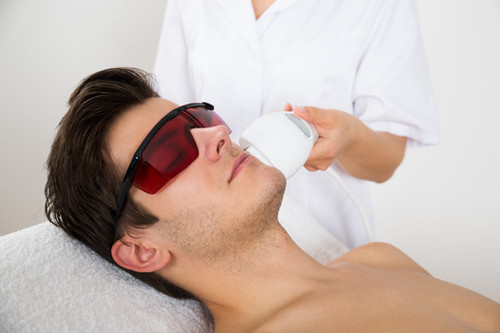
Laser hair removal continues to advance with new technology offering more precise and comfortable treatments. Modern devices now target hair follicles with greater accuracy. These improvements help reduce skin irritation and increase overall effectiveness. Patients can expect better results with fewer side effects. New systems also provide more customization for different skin tones and hair
-
Botox for Migraines: A Non-Cosmetic Use You Should Know About
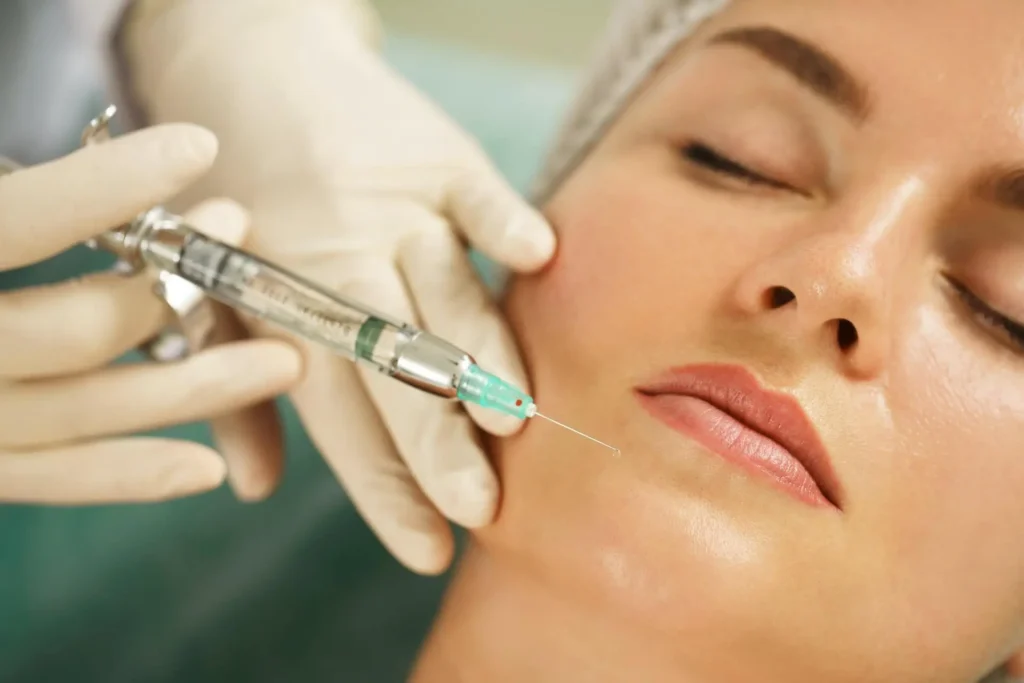
Botox is widely known for cosmetic uses, but it’s also an FDA-approved treatment for chronic migraines. This offers relief to those who don’t respond to traditional therapies, as chronic migraines can cause severe, lasting pain. Botox has transformed migraine management for many by reducing the frequency and intensity of headaches. How Does Botox Treat Migraines?