-
Benefits of Combining Botox and Skincare Regimens
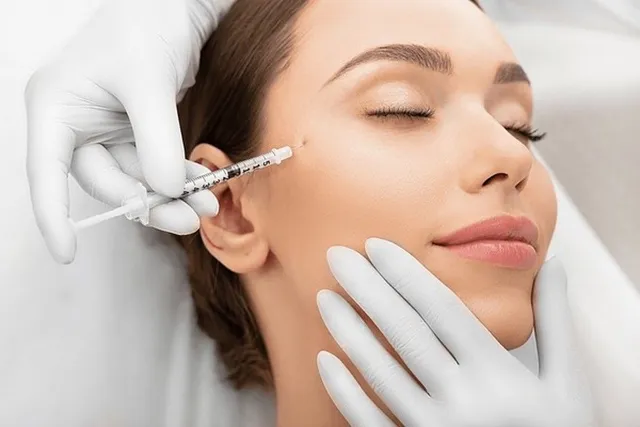
Integrating Botox aesthetics work with a comprehensive skincare routine can provide both functional and aesthetic benefits. By combining Botox treatments, which target dynamic wrinkles, with skincare practices designed to address hydration, exfoliation, and cell turnover, individuals can achieve a more youthful and refreshed appearance. Here is more information on how Botox complements skincare routines, how
-
How to Build a Good Relationship with Your Dermatologist

A strong partnership with your dermatologist is key to maintaining healthy skin and addressing any specific concerns you may have. Dermatologists provide personalized advice to keep your skin in its best condition. By fostering a professional, communicative relationship with your dermatologist, you can enjoy benefits that aim to help you maintain healthy skin. Let’s explore
-
Skin Cancer Surgery: Types, Techniques, and Recovery Time
Skin cancer surgery offers effective treatment for removing cancerous growths and preventing their spread. Understanding the available options, their techniques, and recovery processes can help you feel more prepared to discuss them with a healthcare provider. Here are some typical types of skin cancer surgeries, each with its customized approach and practical recovery insights: Excisional
-
How Primary Care Can Play a Key Role in Aging Gracefully

Graceful aging means staying active, clear-minded, and connected to the world around you. It’s about enjoying daily life, even as your body changes. With the right habits, support, and regular primary care, you can stay independent and engaged. Aging well depends on your choices, not just your genes. Primary Care Builds Long-Term Health Primary care
-
How Cosmetic Dermatology Can Improve Skin Texture
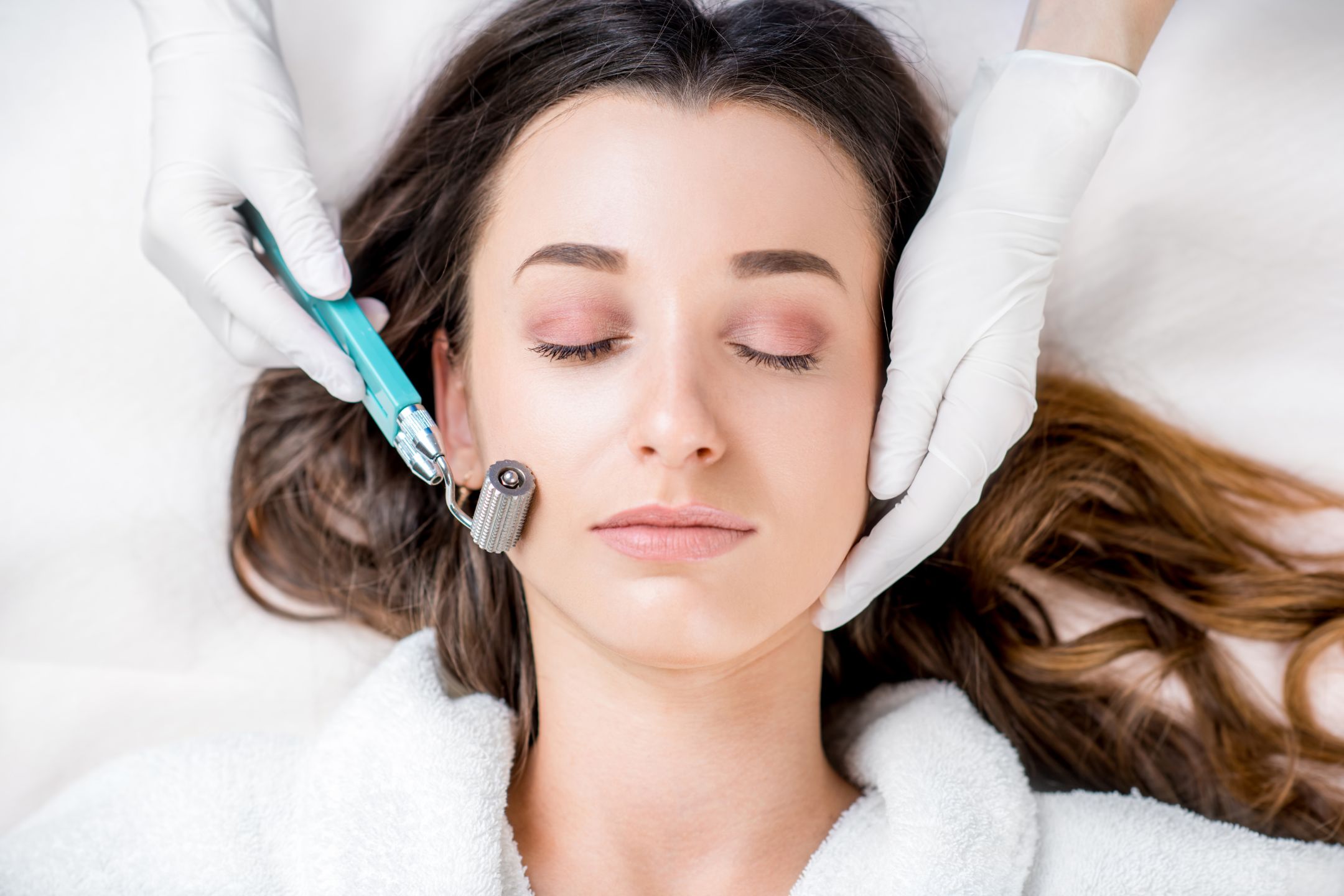
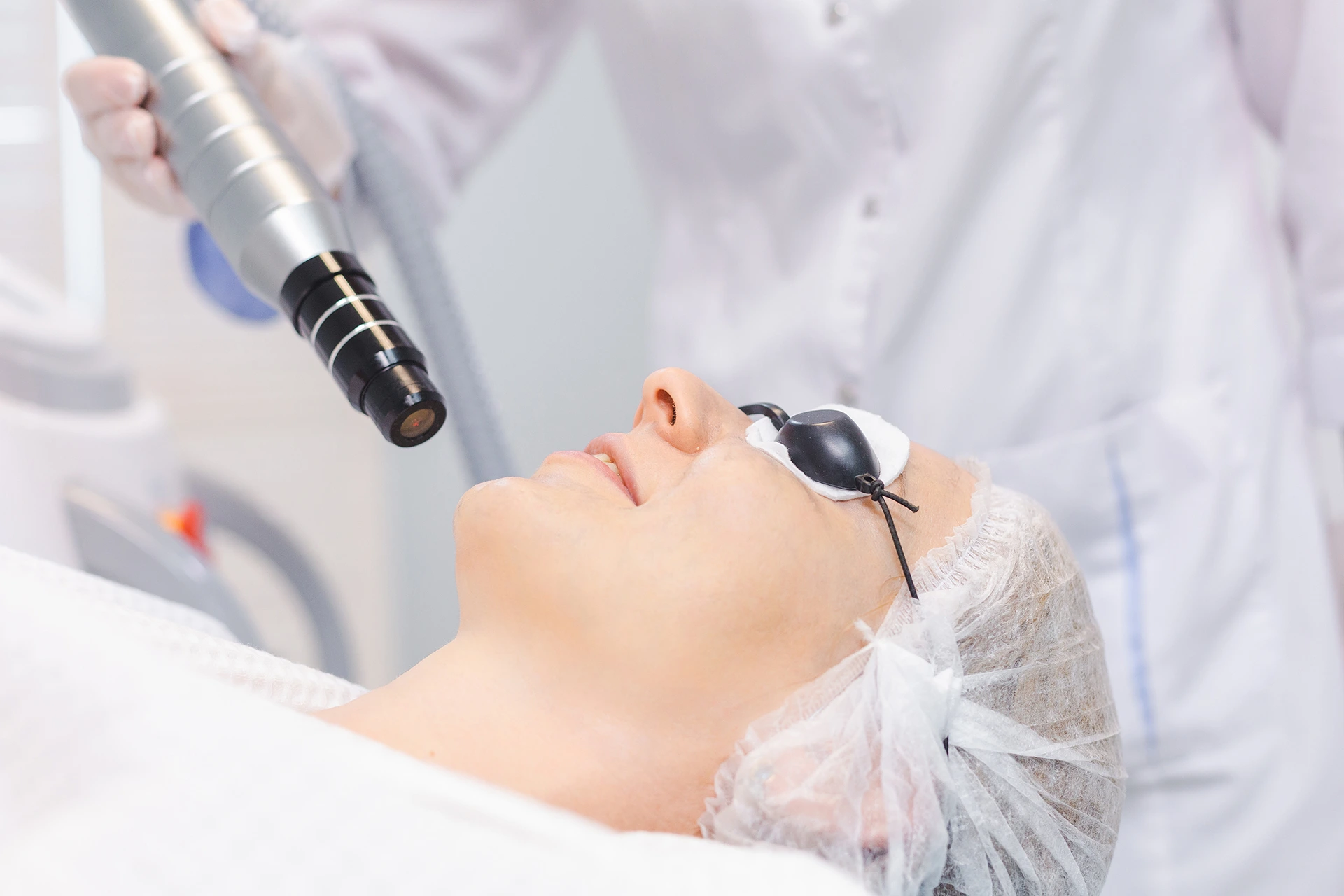
Every individual’s skin tells a story, reflecting age and lifestyle. Over time, factors like sun damage, aging, and pollution can compromise skin texture, leaving it uneven or rough. Cosmetic dermatology offers safe and effective solutions to improve skin texture, tone, and elasticity. Through advanced treatments, it’s possible to restore smoothness and vibrancy. Here’s more on
-
Mohs Surgery Versus Traditional Excision
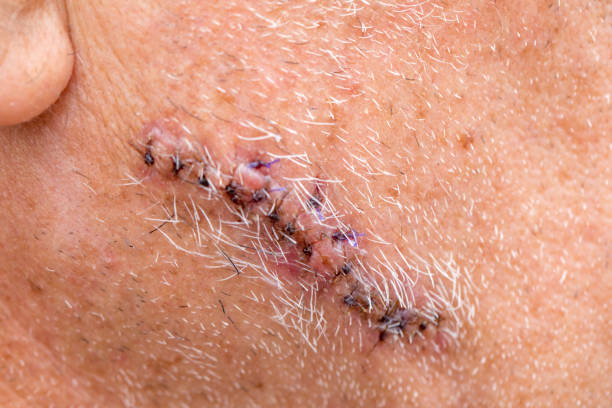
Skin cancer treatment often involves removing cancerous tissue to prevent further spread. Mohs surgery and traditional excision are two commonly used surgical methods for this purpose. Both techniques aim to eliminate cancerous cells, yet their processes and outcomes vary significantly. Here is an overview of these methods, comparing key aspects such as procedure, precision, and
-
How To Treat Skin Cancer After Your Diagnosis
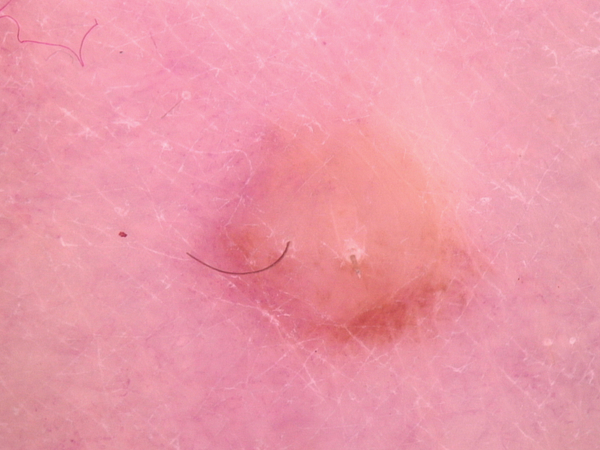
Skin cancer is one of the most common types of cancer. Understanding the condition and your options can help you prepare to manage it effectively. Here is more information on skin cancer, its causes, symptoms, diagnosis, and treatment options: What Is Skin Cancer? Skin cancer is a condition where abnormal skin cells grow uncontrollably. This
-
Wrinkle Fillers and Their Long-term Effects on Skin Health
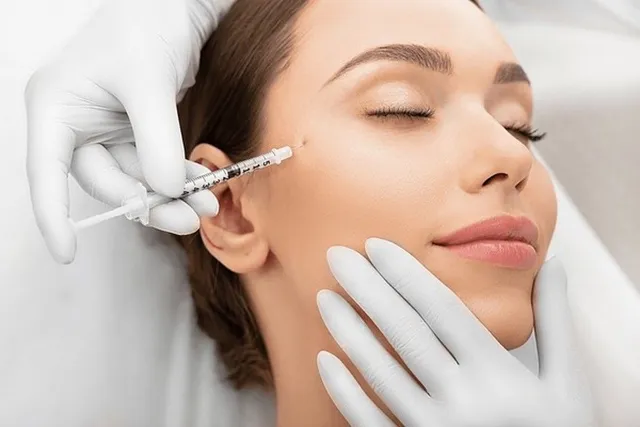
Wrinkle fillers are a widely used option in cosmetic dermatology for individuals seeking smoother, more youthful-looking skin. These treatments involve injecting substances into targeted areas of the face to add volume, reduce the appearance of lines, and contour features. While the effects are temporary, many patients return for regular treatments to maintain results. Over time,
-
Debunking Myths About Acne Treatments
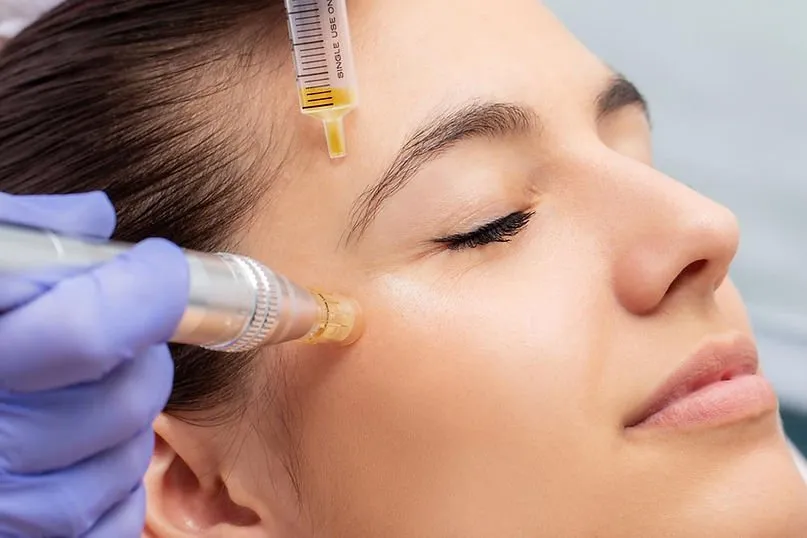
Acne is one of the most common skin conditions, yet numerous myths surround its effective treatment. These misconceptions can often lead to frustration, prolonged breakouts, and even skin damage. To help you manage your acne better, we’re breaking down three myths about acne treatments and shedding light on the truth. Can Popping Pimples Help Healing?
-
The Role of Dermatology in Preventive Skin Care

Preventive skin care aims to maintain healthy skin and address potential issues before they arise. Dermatology plays a key role in this process by offering expert advice, specialized treatments, and regular skin evaluations. People often associate dermatologists with treating existing skin conditions, but their contribution to prevention is equally fundamental. Let’s explore the primary areas