-
How Bariatric Surgery Improves Diabetes Management
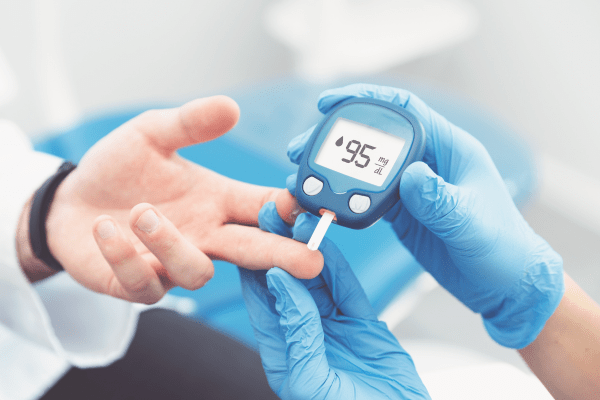
Bariatric surgery is a medical procedure designed to help individuals lose weight and improve their overall health. For those struggling with weight-related health issues, including diabetes, bariatric surgery may offer a fundamental solution. One common and effective type of bariatric surgery is the gastric sleeve surgery, which has shown promising results for weight loss and…
-
How to Use Telemedicine to Track Chronic Conditions from Home
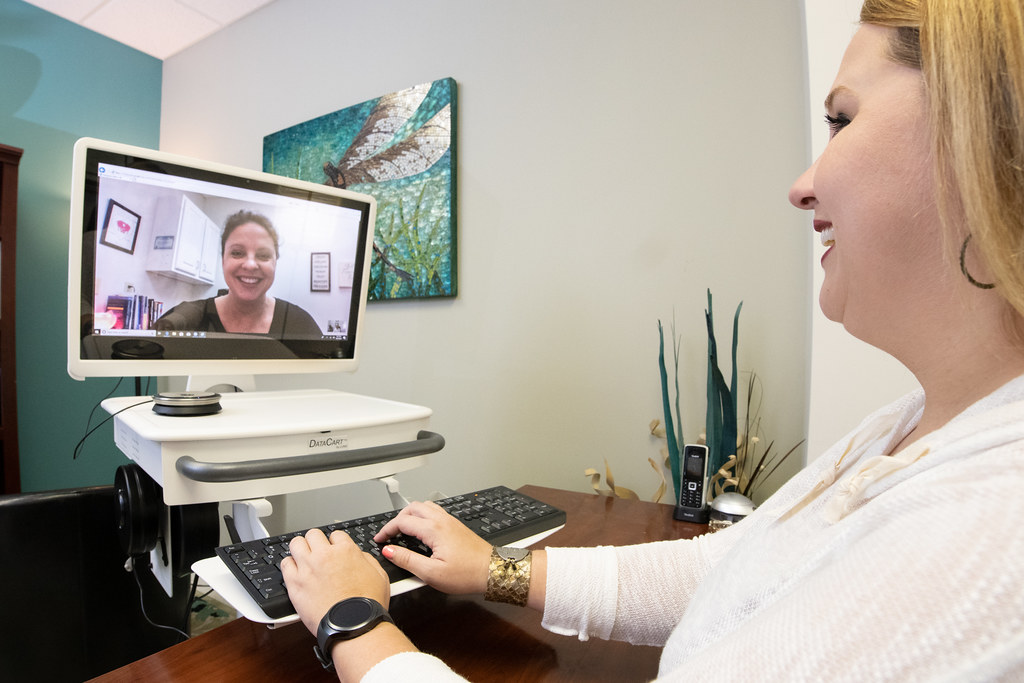
Advancements in technology have transformed healthcare, making medical services more accessible through telemedicine. Managing chronic conditions used to require regular visits to a clinic or hospital, which could be time-consuming and inconvenient. Telemedicine offers an alternative approach to monitoring and coordinating chronic care from the comfort of your home. What Is Telemedicine? Telemedicine refers to…
-
Diabetes Treatment: What You Should Know
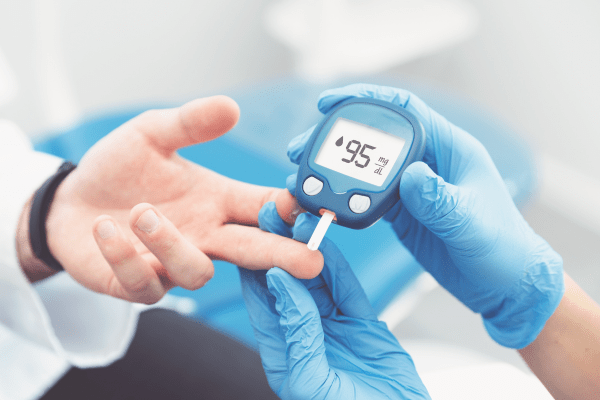
Diabetes, a chronic condition that impacts how the body processes blood sugar (glucose), affects millions in the United States. Whether recently diagnosed or living with it for years, understanding its causes, symptoms, and treatment options can improve management and quality of life. Here is more information on this condition, including causes, symptoms, and treatment options: …
-
What To Expect During a Pap Smear and Why It’s Needed
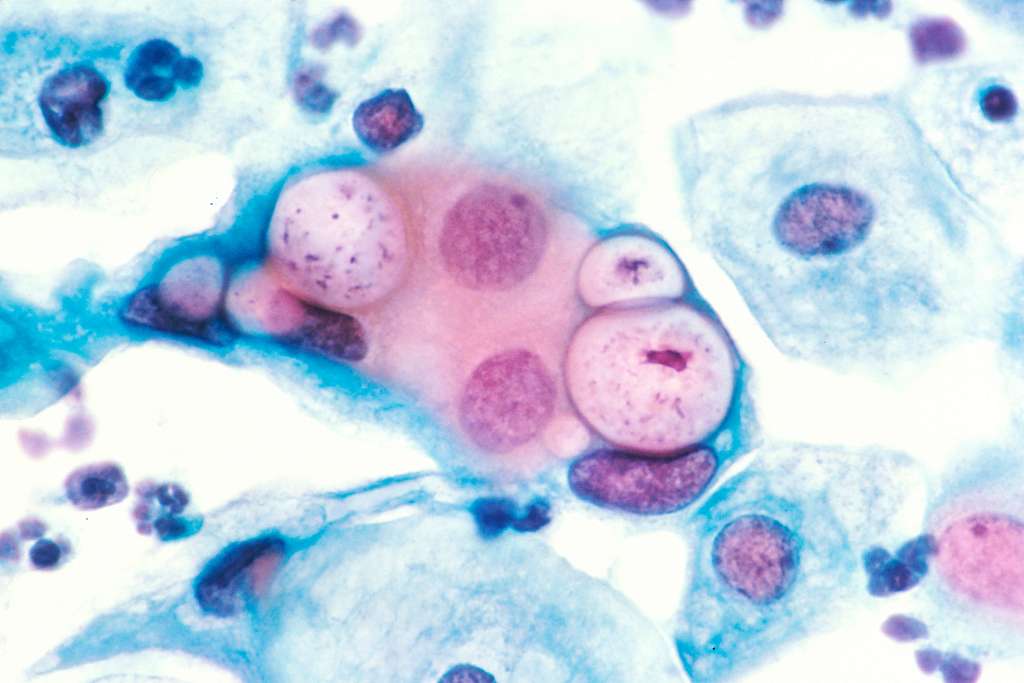
Pap smears, a valuable procedure for women’s health, are one of the many services offered under gynecology. Whether you’re visiting a gynecology clinic for the first time or simply seeking more information, knowing what to expect can help you be more prepared and informed about your care. Here is more information on this medical specialty,…
-
4 Chronic Pain Management Services
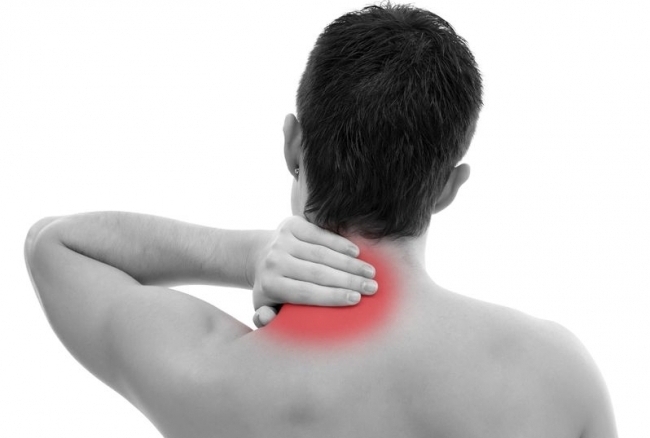
Living with chronic pain can significantly impact daily life, making routine tasks and professional responsibilities challenging. Chronic pain management services aim to provide effective solutions to alleviate discomfort and improve quality of life. Here’s information on some key methods used to target and manage chronic pain: 1. Physical and Occupational Therapy Physical and occupational therapies…
-
Talking to Your Doctor About Hyperhidrosis Treatment Options

Hyperhidrosis is a medical condition characterized by excessive sweating that exceeds the body’s normal temperature-regulating capacity. It can significantly impact daily life, causing discomfort for many individuals. If you are experiencing symptoms of hyperhidrosis, understanding the condition and its treatment options can help you talk to your doctor. What Is Hyperhidrosis? Hyperhidrosis is characterized by…
-
Benign Skin Moles Versus Malignant Skin Moles
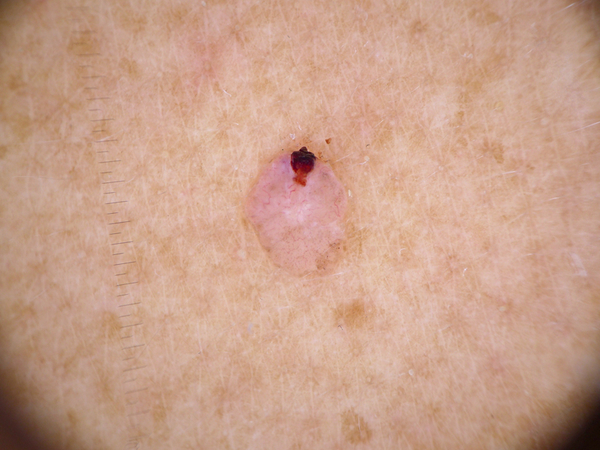
Most people develop moles at some point in their lives. While many are harmless, a few may signal something more serious. Knowing how to distinguish between benign and malignant moles can lead to earlier detection and better outcomes. A dermatologist plays a key role in evaluating skin changes and guiding patients through next steps. Routine…
-
How GERD Specialists Help Improve Quality of Life for Patients

Gastroesophageal Reflux Disease (GERD) is a chronic condition where stomach acid frequently flows back into the esophagus, causing discomfort and potential complications. GERD specialists, often gastroenterologists, play a specialized role in diagnosing and managing this condition. Their expertise helps patients achieve relief and prevent possible risks over time. Identifying GERD Symptoms Heartburn, regurgitation, and difficulty…
-
How Is Eczema Treated?
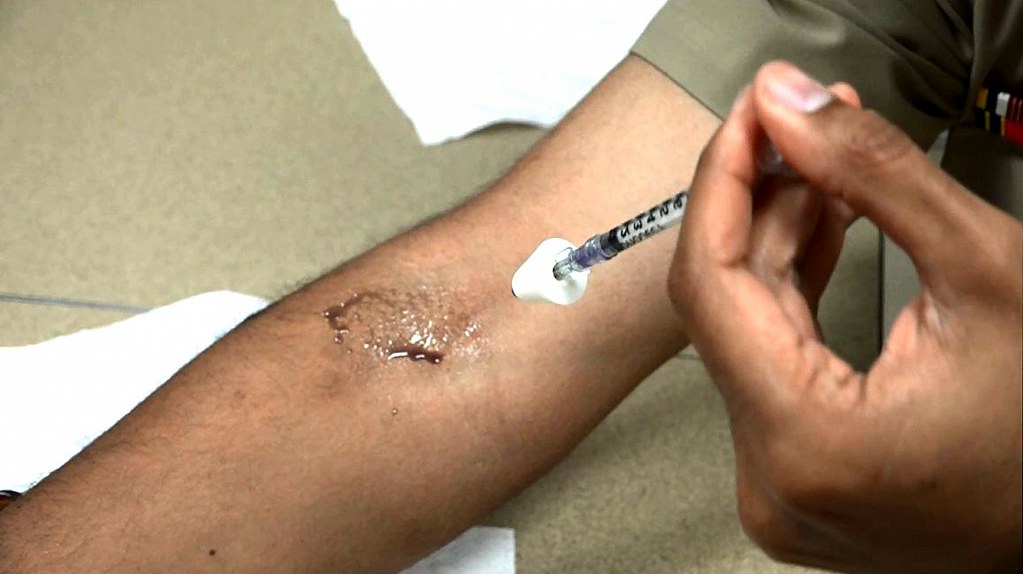
Eczema, or atopic dermatitis, is a common skin condition characterized by itchy, inflamed, and often dry patches of skin. Managing eczema involves addressing both the underlying triggers and symptoms to improve skin health and reduce discomfort. A dermatologist will also be able to provide tailored advice. Here is more information on a few common approaches…
-
What to Expect After a Cool Sculpting Treatment and Post-Care Tips
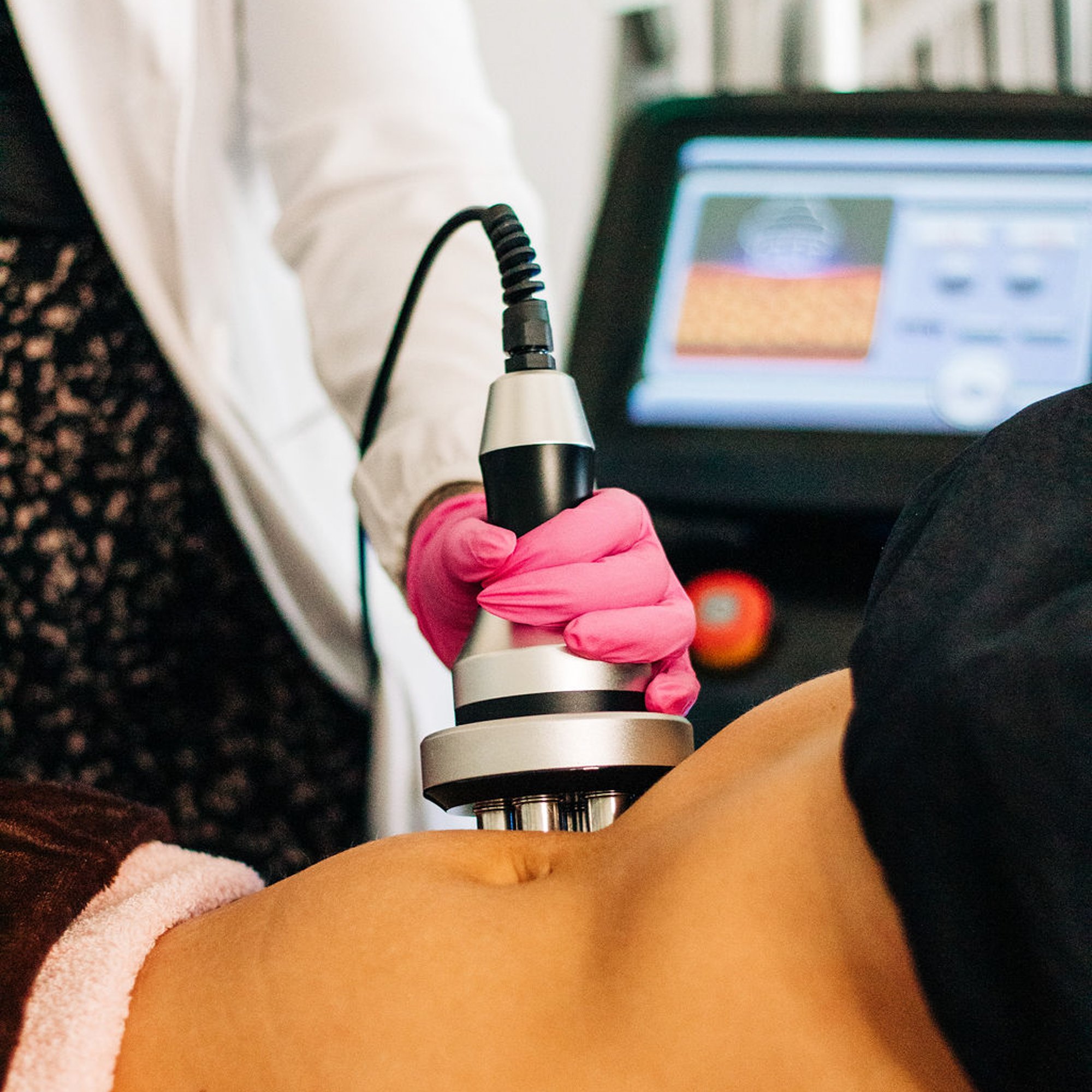
Cool Sculpting is a noninvasive procedure that targets and freezes fat cells in specific areas. After treatment, the body gradually removes the dead fat cells naturally. Patients can expect some swelling, redness, or mild bruising around the treated area. These effects typically fade within a few days to a few weeks. Some may feel tingling…