-
3 Things To Know About Urinary Incontinence

Urinary issues can be uncomfortable to talk about, but they’re common than many people realize. Incontinence impacts daily life, confidence, and overall well-being. With the right knowledge and support, it’s possible to manage symptoms and regain control. Here are three key things to know about incontinence. 1. Types of Urinary Incontinence Different types of urinary
-
4 Things That Impact Ultrasound and MRI Image Quality
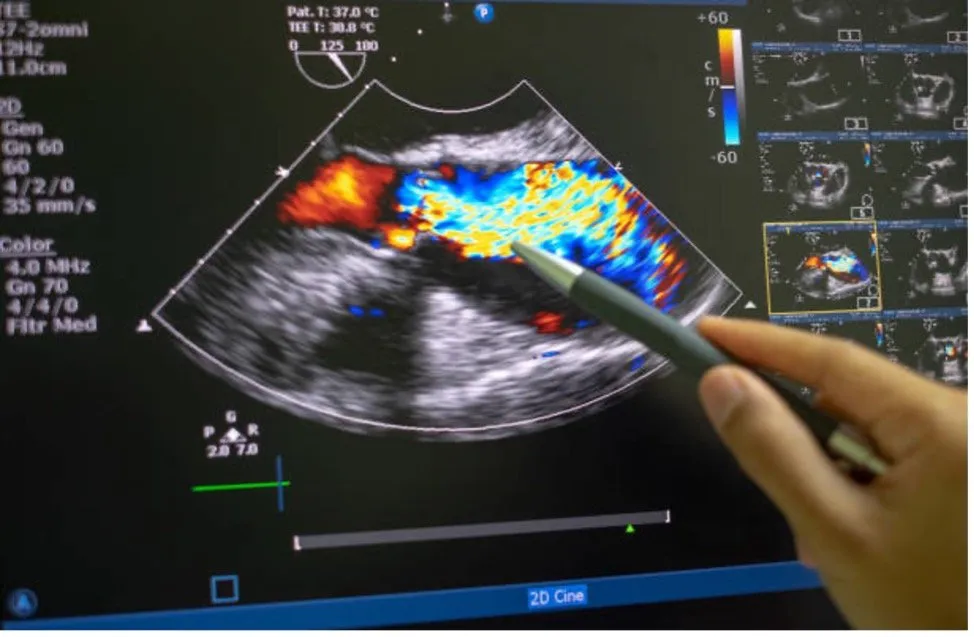
When it comes to diagnosing medical conditions, clear and accurate imaging is fundamental. Medical imaging allows doctors to see inside your body, identify problems, and make the right treatment choices. Here are four key factors that impact image clarity, and what you should know about ultrasound vs MRI when comparing these diagnostic tools: Patient Movement
-
The Advantages of Walk-in Clinics for Busy Families

Finding quick and reliable healthcare options can be challenging, especially for busy families juggling multiple commitments. A walk-in clinic offers a convenient solution, providing access to quality care without the need for appointments or lengthy wait times. These providers are designed to meet the needs of individuals and families who prioritize efficient care, flexible scheduling,
-
Imaging Types Used in Interventional Radiology

Medical innovation continues to shape how conditions are diagnosed and treated, with interventional radiology standing out as a minimally invasive option for many patients. At the heart of this field lies imaging technology, which guides procedures with remarkable accuracy. By using advanced imaging methods, interventional radiology enables practitioners to perform intricate tasks with precision while
-
The Value of a General Practitioner in Preventive Health Strategies

A General Practitioner (GP) is a medical doctor who provides primary and ongoing care for patients of all ages. They diagnose and treat a wide range of common illnesses and health conditions. GPs also offer preventive care, including vaccinations and health screenings. They often coordinate with specialists to provide comprehensive treatment for their patients. Personalized
-
Managing Reflux Disease

Reflux disease happens when stomach acid frequently flows back into the esophagus, causing irritation and discomfort. This condition, known as gastroesophageal reflux disease (GERD), often leads to symptoms like heartburn and regurgitation. People may also experience a persistent sour taste in their mouth, which can affect daily comfort. If reflux disease is left untreated, it
-
Tips for Traveling With a CPAP Machine
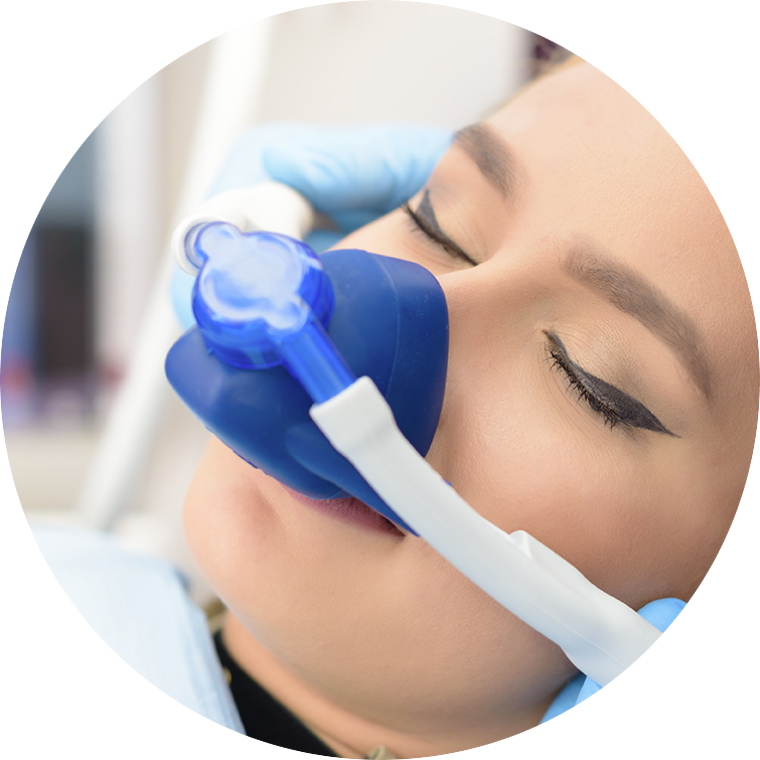
CPAP machines may be bulky and difficult to move around. Traveling with one might seem challenging, but with some preparation, it becomes manageable. Whether you’re going on a short trip or a longer journey, these helpful tips will guide you on packing, flying, and maintaining your CPAP device while you’re away: What Should You Pack?
-
How Medical Weight Loss Supervision Enhances Patient Safety

Medical weight loss provides a structured, science-based approach that differs from commercial diet programs or self-directed efforts. It includes professional medical supervision, offering patients personalized care throughout the process. Medical weight loss focuses on achieving sustainable, long-term results tailored to individual health needs, helping individuals reach their fitness goals. What is Medical Weight Loss? A
-
Why Many Women Choose a Mommy Makeover After Childbirth

Pregnancy and childbirth are life-changing experiences that bring immense joy. They can also leave lasting changes to a woman’s body that may feel difficult to reverse with diet and exercise alone. For many women, these physical changes affect their confidence and self-esteem. This is why more women are turning to a mommy makeover. A moomy
-
Tips for Talking to Your Doctor About Your Weight

Discussing body weight during a medical appointment can bring up feelings of discomfort or vulnerability. However, patients who work with a qualified weight loss doctor often gain access to more personalized care, better health insights, and a clearer path forward. Whether the goal is to reduce risk factors, manage chronic conditions, or improve quality of