
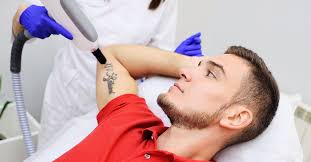
Laser tattoo removal uses focused light beams to fade unwanted ink from the skin, and it is the most common method available today. While many people seek this procedure, the process involves specific biological reactions that you need to understand before you begin. Here is more information about what you need to know about laser tattoo removal:
Lasers Shatter Ink Particles
The laser device targets the pigment in your tattoo with high-intensity light pulses. This energy heats the ink particles instantly, but the surrounding skin remains largely unaffected during the brief exposure. Because the ink absorbs the light energy so quickly, the particles break apart into tiny fragments.
Different wavelengths of laser light treat different ink colors. Black ink may absorb all laser wavelengths, which makes it typically easy to treat effectively. Other colors like green or blue require specific wavelengths, so the practitioner adjusts the laser accordingly. The depth of the ink also matters significantly during this stage of laser tattoo removal treatments.
Body Flushes Particles
Once the laser shatters the ink, your immune system takes over, removing it. White blood cells identify the small ink fragments as foreign invaders. These cells engulf the tiny particles, and they transport them away from the tattooed area.
The lymphatic system processes these waste materials over the following weeks. Your body filters the ink fragments through lymph nodes, and it eventually expels them naturally. In many cases, this is why tattoos fade gradually rather than disappearing immediately after a laser session.
Circulation plays a role in how quickly this flushing process occurs. Areas with high blood flow may clear ink faster than extremities such as the ankles or fingers. You might notice that tattoos on the chest fade more quickly than those on the hands or feet.
Sessions are Repeated
A single treatment rarely removes a tattoo completely. You will need multiple appointments because the laser can only fragment the upper layers of ink during one session. As the body removes the top layer of shattered pigment, the laser targets deeper ink in subsequent visits.
Spacing these appointments correctly allows the skin to heal properly. Practitioners typically schedule sessions periodically, while some individuals may need longer breaks between treatments. Rushing the process increases the risk of side effects, so patience is necessary for the best results.
Aftercare Is Needed
Proper care following each session protects the treated skin and aids healing. The area may feel like a sunburn, and you might see some redness or slight blistering immediately after the procedure. You must keep the area clean and dry to prevent infection while the skin recovers.
Avoid exposing the treated area to direct sunlight for several weeks. UV rays damage healing skin, and they may cause pigmentation changes that are difficult to correct later. If you must go outside, applying a high-SPF sunscreen protects the area.
Follow these basic guidelines for recovery:
- Apply an antibiotic ointment or soothing cream as directed.
- Cover the area with a sterile bandage for a few days.
- Avoid picking at any scabs or blisters that form.
- Wear loose clothing to prevent friction on the site.
Schedule Laser Tattoo Removal
We are ready to help you navigate the removal process. Our team uses advanced laser technology, and we customize the treatment plan to your specific tattoo and skin type. Contact a medical clinic today to book your consultation and start your journey toward clear skin.