
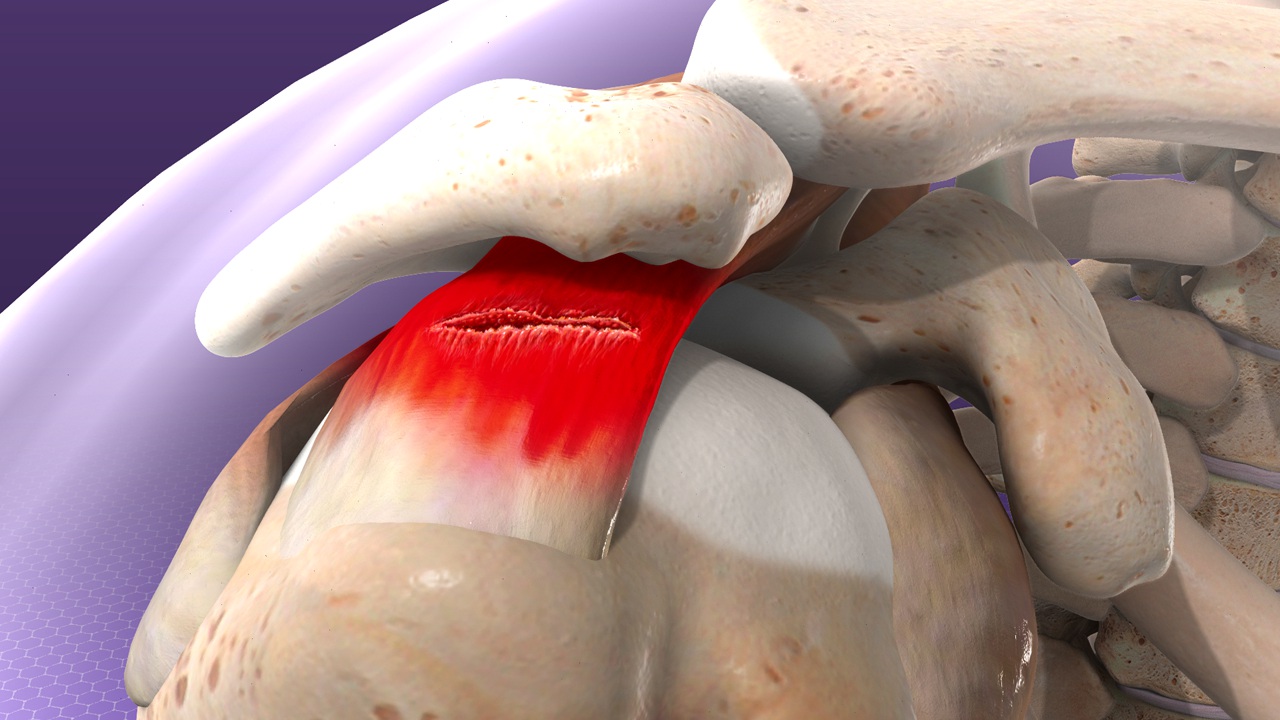
The shoulder joint involves complex mechanisms, and a rotator cuff tear disrupts these normal functions. This injury affects the muscles and tendons around the shoulder, requiring specific medical interventions. Here is more information about the symptoms of this condition and the standard medical treatment options:
What Is a Rotator Cuff Tear?
A rotator cuff consists of four muscles and their associated tendons, and these structures stabilize the shoulder joint. A tear occurs when one or more of these tendons detach completely or partially from the head of the humerus. This physical damage limits the arm’s range of motion and reduces the shoulder’s overall structural integrity. Medical professionals classify a rotator cuff tear as partial- or full-thickness, which dictates the subsequent medical approach.
What Causes It?
Acute injuries frequently cause tears and typically happen during a fall or a sudden lifting movement. Lifting heavy objects with a jerking motion places excessive strain on the tendons; this stress can cause immediate tearing. Collarbone fractures sometimes accompany these acute incidents, complicating the initial injury profile. Acute tears usually cause immediate pain.
Degenerative tears develop slowly over time and represent the natural wear and tear of tendon tissue. Repetitive shoulder motions contribute to this degeneration, and athletes or laborers may experience this type of wear. Bone spurs may rub against tissue, causing additional damage. These progressive changes weaken the joint over several years, and they make the shoulder susceptible to further injury.
What Are the Symptoms?
Patients with this injury report specific physical limitations, and these symptoms dictate the diagnostic process. Pain may occur at rest or at night and primarily affects the side of the injured shoulder. Individuals may experience a distinct weakness when lifting or lowering the arm. These physical restrictions affect basic daily activities and necessitate medical guidance.
Symptoms often progress as the condition advances. Early detection helps prevent the exacerbation of these physical signs. Mild tears may cause only intermittent discomfort, whereas severe detachments cause continuous pain with basic movements. Medical providers document the progression of these symptoms and evaluate the effectiveness of non-surgical interventions.
What Are the Treatment Options?
Physicians typically begin with nonsurgical methods, and they prescribe specific interventions based on the severity of the tear. Immobilization is a standard initial treatment potentially involving a sling to protect the shoulder from further strain. Rehabilitation follows the immobilization phase. Physical therapy exercises strengthen the surrounding shoulder muscles to restore normal mechanics.
Surgical options become necessary for severe tears, and the specific procedure depends on the extent of the damage. Surgeons may perform a reverse total shoulder replacement for massive, irreparable tears. This replacement procedure alters the joint’s mechanics, allowing different muscles to lift the arm. Post-surgical recovery requires a structured clinical timeline with patients following specific guidelines to regain functional use of the shoulder.
How Is Professional Care Beneficial?
Medical professionals can diagnose the specific type of tear, and their expertise helps prevent further joint damage. They use imaging technologies to provide a detailed view of the soft tissues. A customized treatment plan addresses the exact location of the injury and accounts for the patient’s specific health profile. Clinical supervision minimizes the risk of ongoing complications, which supports a structured recovery process.
Consult a Specialist Today
A clinical evaluation diagnoses the extent of a rotator cuff injury. Patients should seek medical advice promptly, as early intervention may produce better health outcomes. Schedule a consultation with an orthopedic specialist today and begin a medically supervised treatment program.
- Understanding the Symptoms and Treatment Options for a Rotator Cuff Tear
- How a Physical Therapist Helps Manage Chronic Pain
- Exploring the Benefits of Cosmetic Surgery
- Exploring Comprehensive Skin Cancer Services for Early Detection
- Understanding the Role of Podiatric Services for Overall Foot Health