
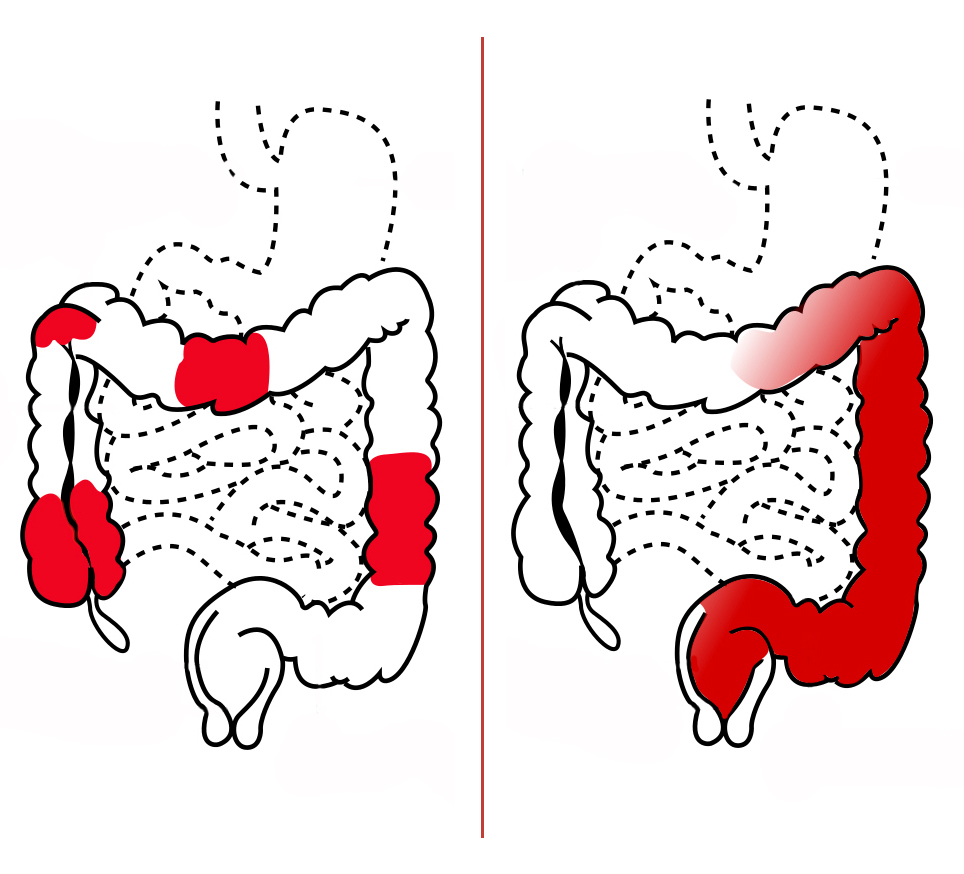
Crohn’s Disease is a chronic inflammatory condition that affects the digestive tract, often causing symptoms such as abdominal pain, fatigue, and digestive discomfort. The condition significantly influences daily routines, diet, and overall well-being, because it can flare up unpredictably. Here’s how Crohn’s disease impacts daily living and ways to manage it effectively.
Effects of Crohn’s Disease
The physical symptoms of Crohn’s disease are a key aspect of the condition. Inflammation can occur anywhere along the digestive tract, from the mouth to the anus, though it most commonly affects the small intestine and the beginning of the large intestine. This inflammation disrupts the body’s ability to digest food, absorb nutrients, and eliminate waste. Common physical symptoms include:
- Persistent diarrhea
- Abdominal pain and cramping
- Rectal bleeding
- Fatigue
- Weight loss
- Loss of appetite
- Pain in the mouth
These symptoms can vary in intensity and may come and go in periods of flare-ups and remission. During a flare-up, symptoms are severe and interfere significantly with daily activities. A gastroenterologist can help create a treatment plan to manage these physical effects.
Impact on Mental Health
Living with a chronic illness like Crohn’s disease also has a substantial emotional and mental health component. The unpredictable nature of symptoms can cause feelings of stress, anxiety, and frustration. The constant need to always be near a restroom often leads to social isolation and a reluctance to participate in activities. It is helpful for individuals to acknowledge these feelings and seek support. Addressing the psychological effects of Crohn’s is a key part of comprehensive care.
Management Strategies for Daily Living
Managing Crohn’s disease requires a proactive approach to daily living. This often involves a combination of medical treatment, dietary adjustments, and lifestyle modifications. For instance, treatment plans prescribed by a digestive health doctor may include medications to reduce inflammation and manage symptoms.
Diet is another fundamental component in managing Crohn’s. While there is no single diet that works for everyone, many people find it helpful to identify and avoid trigger foods that worsen their symptoms. Keeping a food diary can be a valuable tool for tracking the impact of various foods on the body. Staying hydrated and maintaining a balanced intake of nutrients is beneficial for overall health.
Support Systems and Well-being
Establishing a strong support system is key to managing Crohn’s disease and enhancing overall well-being. Here are key components that can contribute to an effective support system:
- Family and Friends: Lean on close relationships for emotional support and practical assistance in daily life.
- Healthcare Team: Regular communication with gastroenterologists, nutritionists, and other medical professionals provides personalized and informed care.
- Support Groups: Joining in-person or online groups offers a sense of community and shared understanding with others who face similar challenges.
- Counseling Services: Professional therapy can help address the emotional impact of chronic illness and provide coping strategies.
- Educational Resources: Accessing medically-reviewed literature and resources helps individuals stay informed about advancements in treatment and self-management.
A comprehensive support system can make navigating Crohn’s disease manageable and foster a sense of empowerment.
Book Your Crohn’s Disease Consultation
Crohn’s disease impacts numerous aspects of life, including physical health and emotional well-being. Understanding its impact and actively managing symptoms helps individuals improve their quality of life. For symptoms of regional enteritis or guidance on managing your condition, contact a trusted gastroenterologist near you to book your consultation today.