-
Understanding the Connection Between Neuropathy and Diabetes
Neuropathy leads to nerve damage that causes pain, weakness, or numbness, and diabetic neuropathy results from diabetes. This condition develops over time when high blood sugar levels injure nerves throughout the body. Understanding this connection helps recognize the signs and manage the condition effectively. Here is more information about the connection between neuropathy and diabetes:
-
How Spinal Stenosis Affects Mobility and Daily Activities
Spinal stenosis is a condition characterized by narrowing of the spaces within your spine, which can put pressure on the nerves that travel through it. This narrowing occurs most frequently in the lower back and the neck. Some people have no symptoms, but others with spinal stenosis may feel pain, tingling, numbness, or weakness that
-
Identifying Common Ear Infection Symptoms

Ear discomfort and hearing changes can be early signs of an underlying condition that requires attention. Ear infection symptoms often vary by age and severity and may indicate inflammation or infection within the ear. Here’s more information on identifying common signs of ear infection: Recognizing Early Symptoms The onset of an ear infection often presents
-
The Impact of Eczema on Daily Life and How To Cope
Living with a chronic skin condition such as eczema requires constant vigilance and daily adaptation. Eczema affects more than just the surface of the skin; it influences how individuals interact with their environment every single day. While the physical symptoms are visible, the broader impact on lifestyle and general well-being is often less apparent to
-
Exploring the Latest Treatment Options for Chronic Venous Insufficiency
Chronic venous insufficiency (CVI) is a condition that affects many people, and it occurs when the veins in your legs have trouble sending blood back to your heart. When the valves in the veins are damaged, blood can flow backward and pool in the legs. This can lead to symptoms like swelling, pain, and skin
-
Coping With Chronic Pain Associated With Endometriosis
Endometriosis occurs when tissue similar to the uterine lining grows outside the uterus, and it causes inflammation and significant discomfort. This chronic condition often leads to debilitating pelvic pain that affects daily activities and overall quality of life. For many individuals, managing these symptoms requires a multifaceted approach rather than a single solution. Here are
-
Coping Strategies for Managing Depression in Daily Life
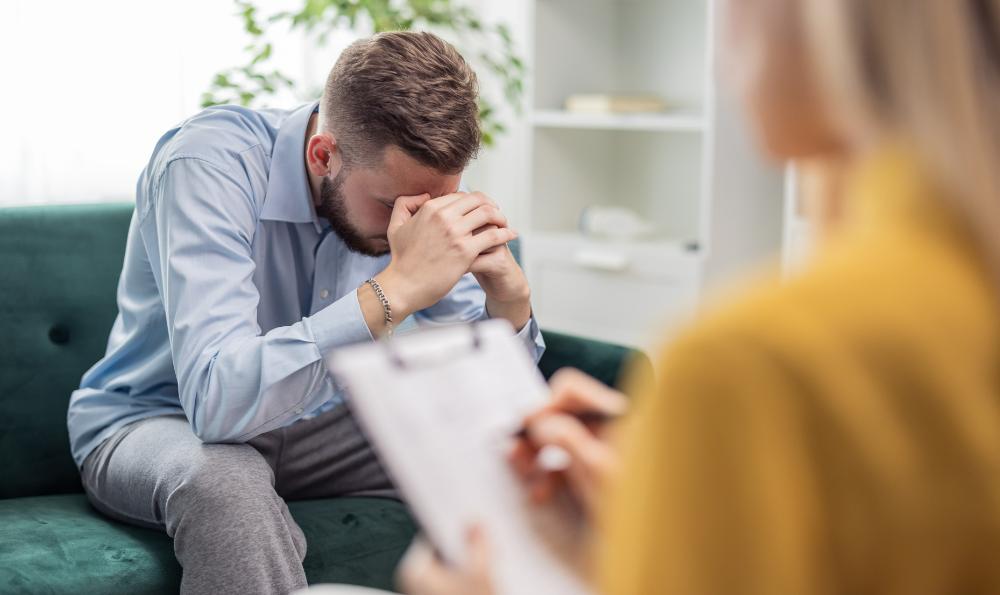
Depression affects daily routines, relationships, and overall well-being, making it necessary to find practical ways to manage symptoms. While professional care is fundamental, many people also benefit from strategies that offer support throughout the day. Here are effective coping strategies for managing depression in daily life: Exploring Depression Depression can interfere with many aspects of
-
How Internal Medicine Specialists Manage Chronic Diseases

Internal medicine specialists, or internists, focus on adult medical care. They diagnose and manage a wide range of health conditions, including long-term or chronic diseases. Managing a chronic illness involves ongoing care, and these doctors are equipped to provide comprehensive support. They coordinate with other healthcare professionals to develop a cohesive care plan for patients
-
Preparing for Knee Replacement Surgery
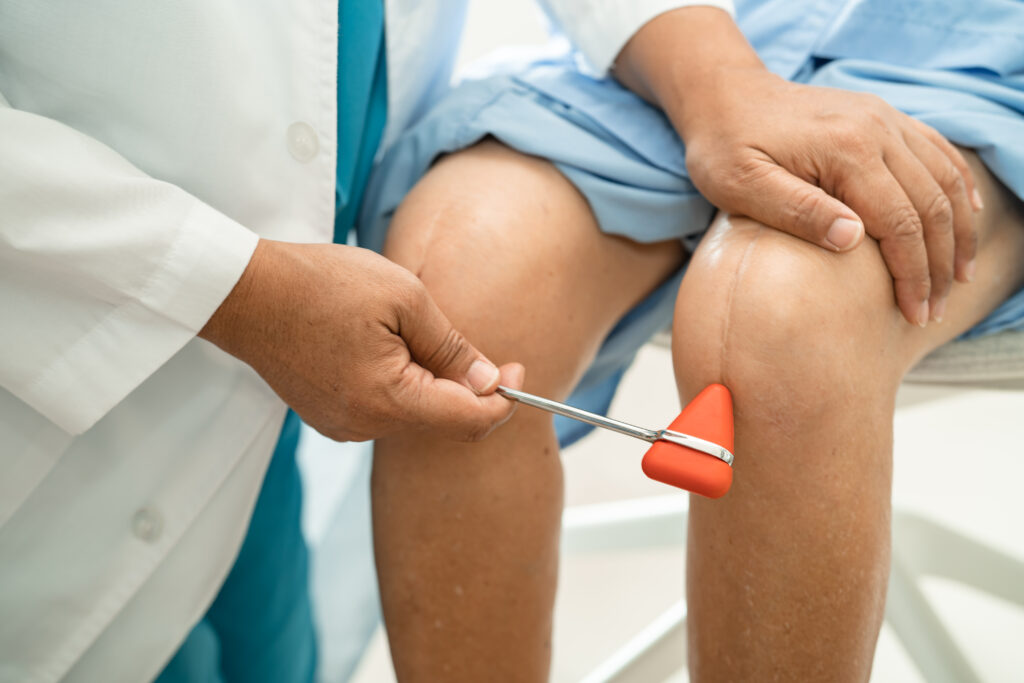
Knee replacement surgery can restore mobility and lessen chronic pain. Knowing what to expect before, during, and after the procedure helps you prepare. Here is some information to help you prepare for a knee replacement procedure. Understanding the Procedure Knee replacement surgery removes damaged cartilage and bone from the knee joint, replacing them with artificial components.
-
How Regular Check-Ups Enhance Overall Health in Adults
Regular check-ups with a primary care provider help maintain overall health by evaluating wellness indicators and detecting potential issues early. They offer a structured method for monitoring well-being, even when no immediate symptoms are present. By engaging in scheduled assessments, adults adopt a proactive stance on personal health, rather than an exclusively reactive one. Here