-
How a Heart Center Can Facilitate Cardiac Rehabilitation
Heart centers play a significant role in helping individuals recover and thrive after experiencing cardiac-related health events. These specialized facilities are equipped with the expertise, tools, and programs needed to restore patients’ well-being and guide them toward healthier lifestyles. Cardiac rehabilitation is a key component of this process, offering tailored support for those seeking to
-
How Vascular Surgeons Diagnose and Treat Peripheral Artery Disease

Peripheral artery disease (PAD) affects blood flow in the limbs, usually in the legs. Vascular surgeons play a major role in diagnosing and treating this condition. Their work helps patients stay mobile, reduce symptoms, and improve their quality of life. Here’s how these specialists approach diagnosis and treatment can give patients a better idea of
-
Echocardiograms Explained: What They Can Tell You About Your Heart
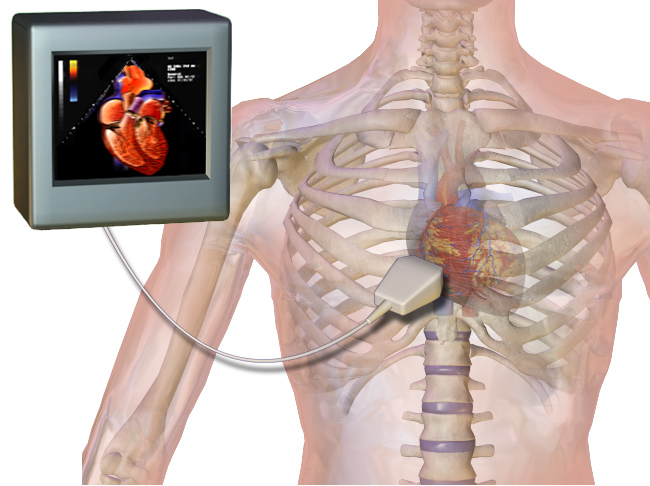
An echocardiogram is a non-invasive imaging test that uses sound waves to create detailed pictures of your heart’s structure and function. It provides valuable insights into your cardiovascular health. Knowing what an echocardiogram reveals allows you to have more informed discussions with your doctor. Understanding Echocardiograms An echocardiogram uses ultrasound technology to capture real-time images
-
When Chest Pain Is a Sign of a Heart Attack

Heart attacks are a typical cause of health emergencies worldwide. They occur when blood flow to the heart is blocked, leading to tissue damage. One sign is chest pain, but not all chest discomfort indicates a heart problem. Knowing when this symptom signals a heart attack could save lives. Here is when chest pain could
-
How Preventive Cardiology Helps Women Maintain Optimal Heart Health

Heart disease remains one of the leading causes of death in women, but the good news is that many cases are preventable. Preventive cardiology takes a proactive approach to heart health, focusing on identifying risks and implementing changes before problems arise. For women, understanding how preventive cardiology can support long-term health is key to reducing
-
How Nuclear Stress Testing Can Help Evaluate Heart Function
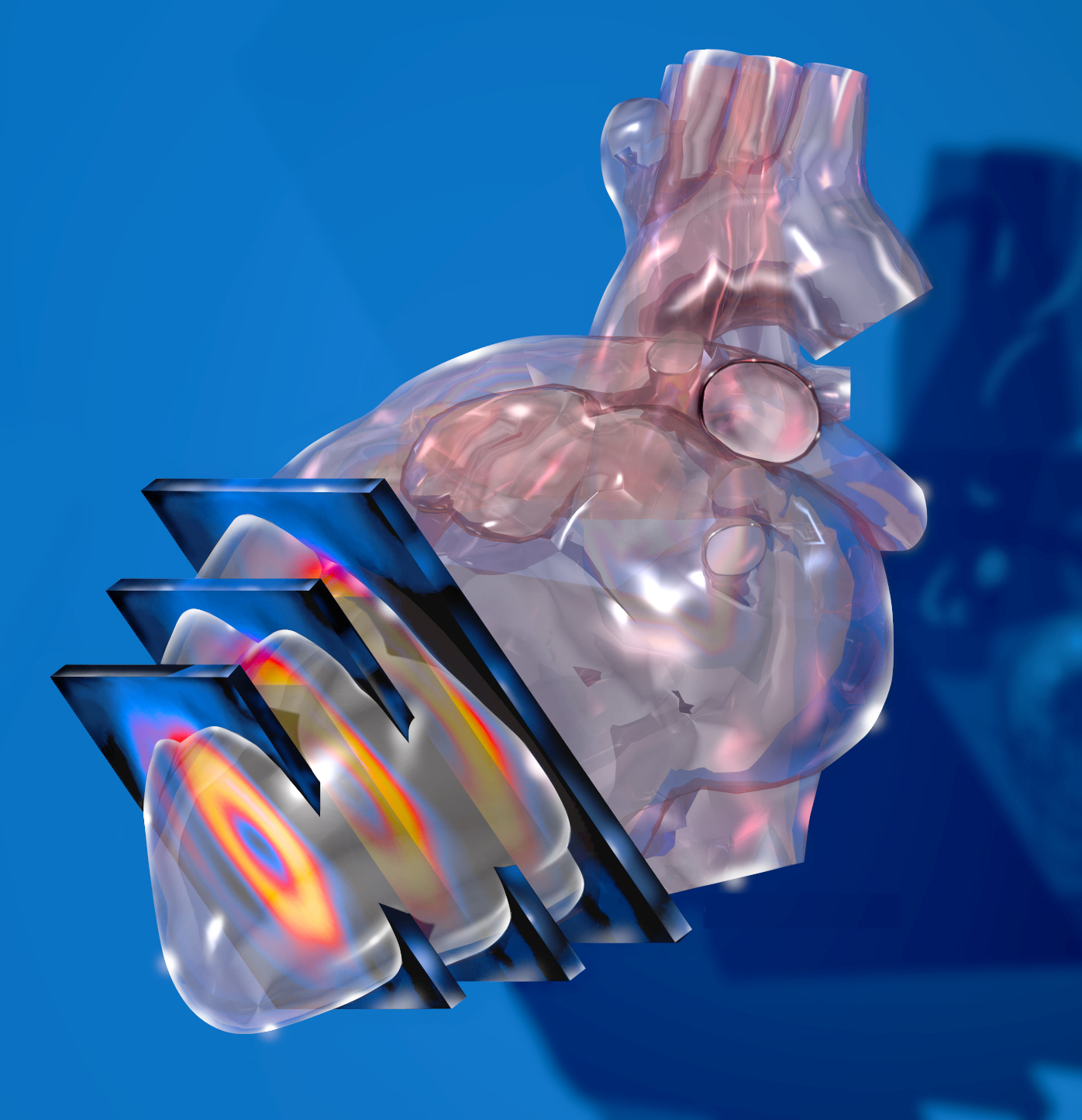
Nuclear stress testing helps cardiologists assess blood flow to the heart muscle. This procedure reveals detailed insights into how well the heart pumps blood under stress. Doctors typically use it to identify irregular blood flow or potential heart damage. Here is some information that explains the value of these tests and how they can help
-
Why a Cardiologist is Essential for Managing Heart Disease and Preventing Complications
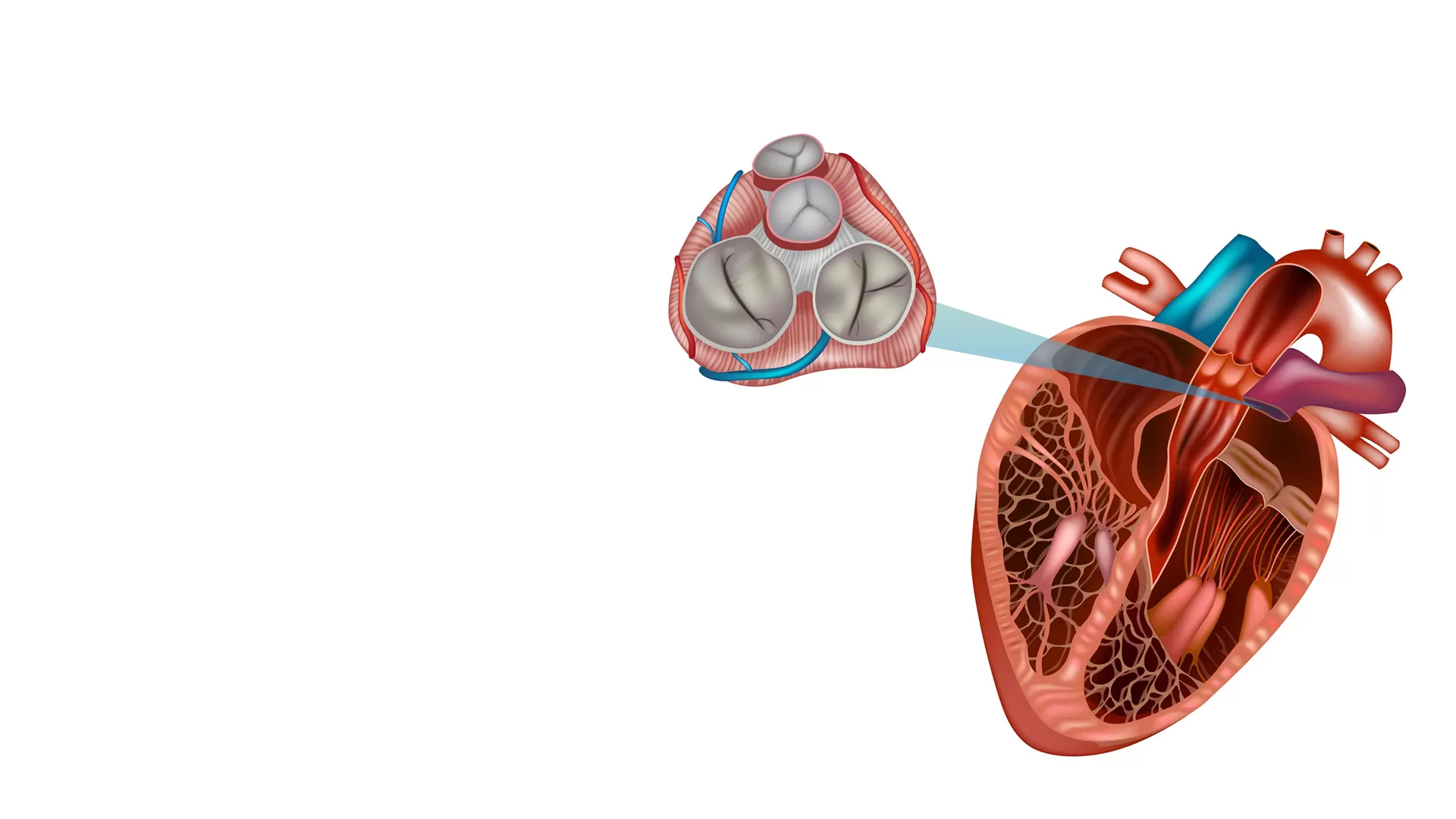
Cardiologists focus on protecting and improving heart health. Their expertise encompasses aspects of understanding, diagnosing, and treating heart-related conditions, making them a key part of managing cardiovascular diseases. For those concerned about heart health, here’s more information about what cardiologists provide: Expertise in Heart Conditions When a patient experiences symptoms that could indicate a heart
-
What Causes High Blood Pressure? A Simple Guide
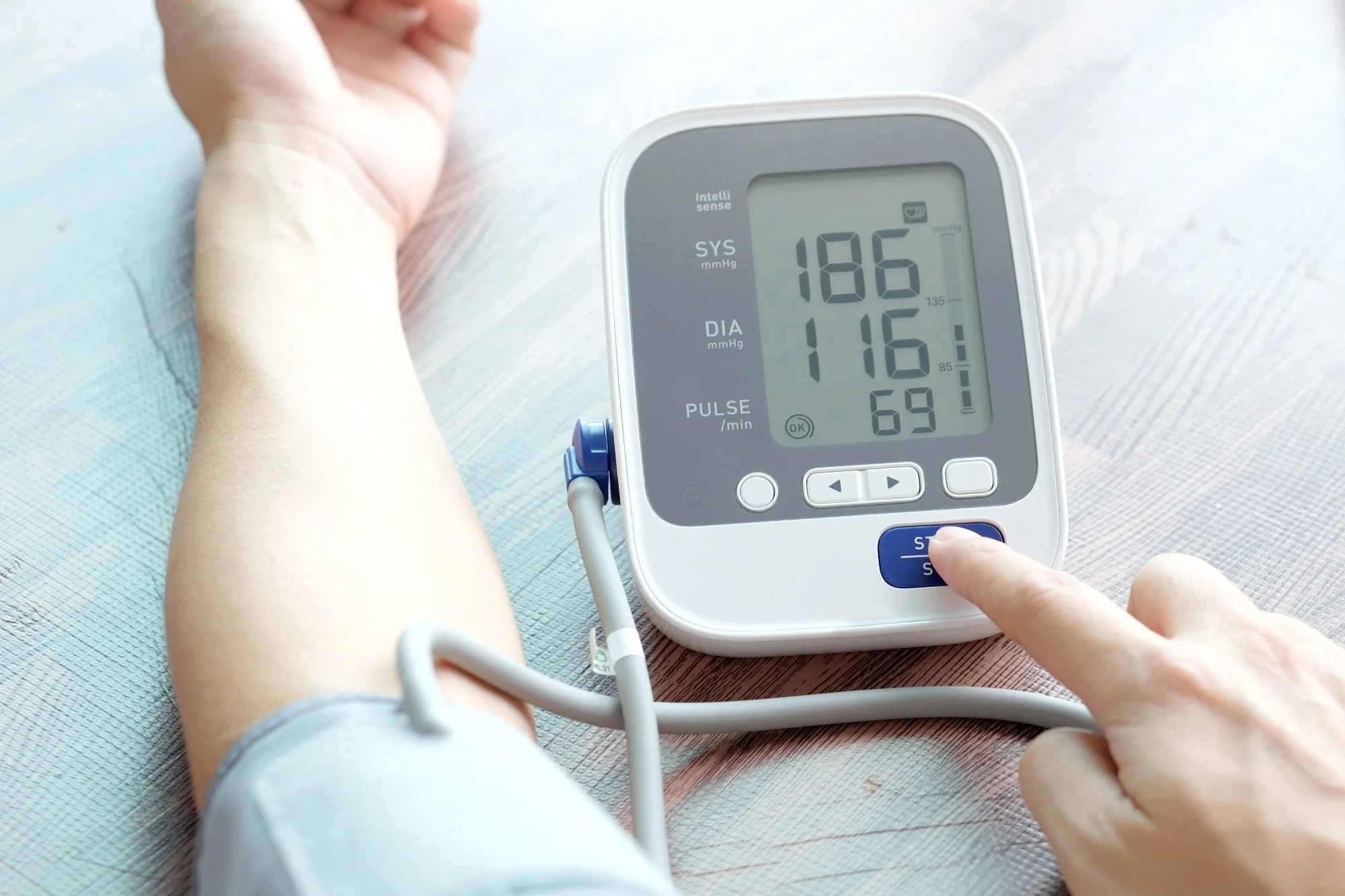
High blood pressure, also called hypertension, is something many people have but don’t always notice. It’s often called a “silent killer” because it usually doesn’t show clear symptoms until it causes serious problems like heart attacks, strokes, or kidney failure. But what exactly causes high blood pressure? And can we prevent it? In this article,
-
What to Expect During a Stress Test for the Heart
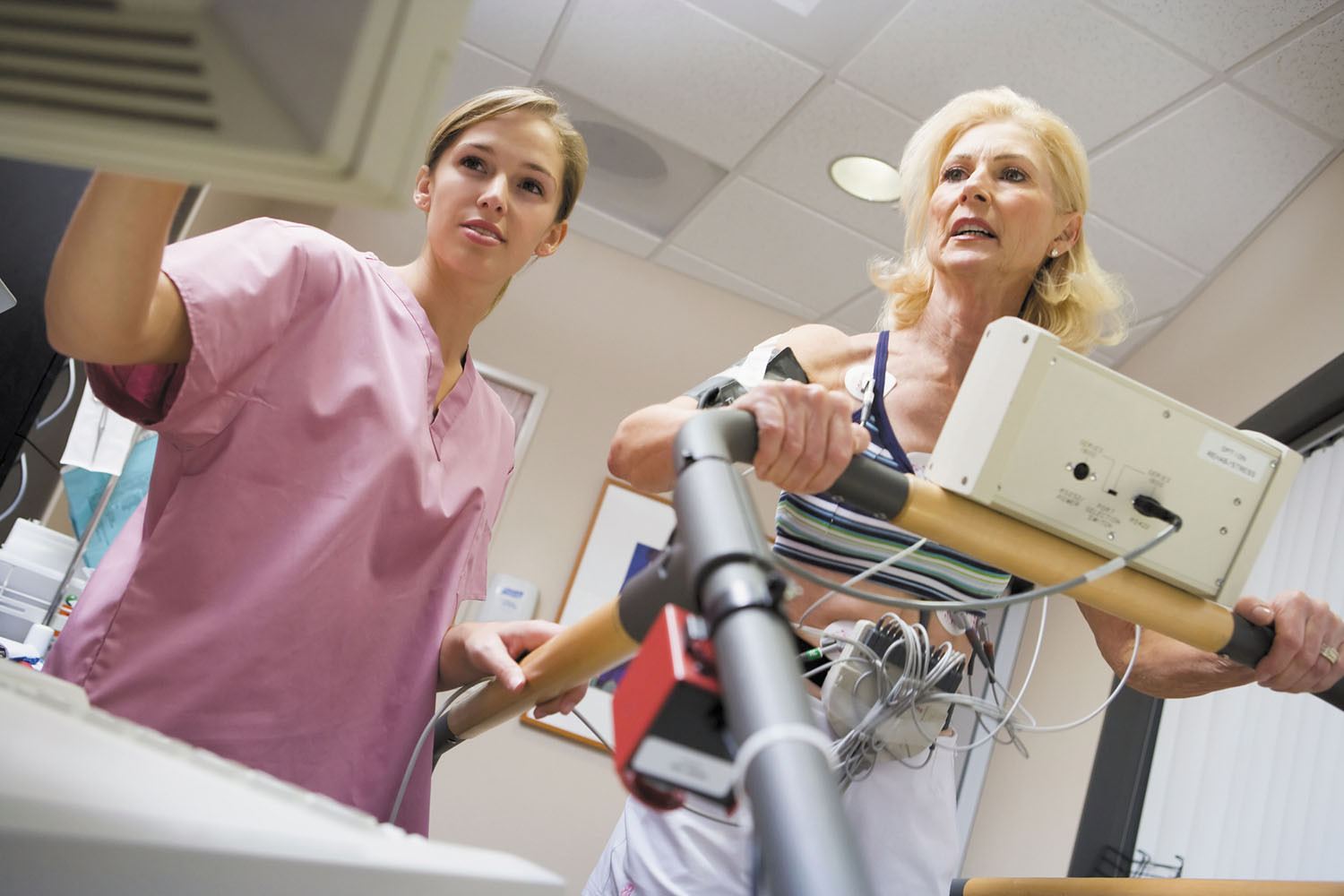
If your doctor has recommended a stress test for your heart, you might feel a little nervous, especially if it’s your first time. Don’t worry—stress tests are common and very helpful when it comes to checking how well your heart is working. This guide will walk you through what to expect before, during, and after