-
How Frequently Should Women See a Gynecologist?

Maintaining regular care with a gynecologist supports overall health at every life stage. Women benefit from these appointments not only for reproductive health but also for early detection of conditions that may not show clear symptoms. Despite this, many are unsure how often they should schedule visits. The answer depends on age, medical history, and…
-
Promoting Preventive Care Through Primary Care Services

Preventive health is most effective when it becomes part of everyday life. Primary care offers a structure for this approach, allowing individuals to manage wellness before illness develops. Through screenings, early detection, and consistent follow-up, primary providers help reduce the likelihood of serious conditions by addressing risk factors as early as possible. In today’s fast-moving…
-
Treating Autoimmune Diseases With Your Primary Care Physician

Autoimmune diseases can drastically impact a person’s quality of life, making comprehensive care fundamental. Primary care physicians (PCPs) often serve as the first point of contact for individuals with autoimmune conditions. They offer full-spectrum care, including preventive measures, diagnostics, and treatment plans, tailored to each patient’s unique needs. Here’s information on how PCPs manage autoimmune…
-
How Hormone Testing Can Help Improve Your Energy and Focus

Hormonal imbalances can significantly influence your daily life, from energy downturns to difficulties focusing or even weight gain. These imbalances occur when there is too much or too little of a specific hormone in your bloodstream, impacting your body’s ability to function efficiently. Hormones regulate several body processes, including mood regulation, metabolism, and cognitive performance.…
-
How Nuclear Medicine Contributes to the Early Detection of Metabolic Diseases

Metabolic diseases can progress without obvious signs in their early stages. Detecting these conditions before symptoms emerge is one of the strengths of nuclear medicine. This advanced imaging field uses small amounts of radiotracers to highlight functional changes inside the body—often before structural changes appear on traditional scans. With early insight, patients and providers can…
-
How Obstetrics Can Help You Navigate the Challenges of Pregnancy

Pregnancy is a time of profound change for the body, bringing new experiences and responsibilities. It often comes with questions about how to manage and monitor these changes effectively. Obstetrics, a specialized branch of medicine focused on pregnancy and childbirth, plays a fundamental role in guiding expectant parents through this unique period. What Is Obstetrics?…
-
How Preventive Cardiology Helps Women Maintain Optimal Heart Health
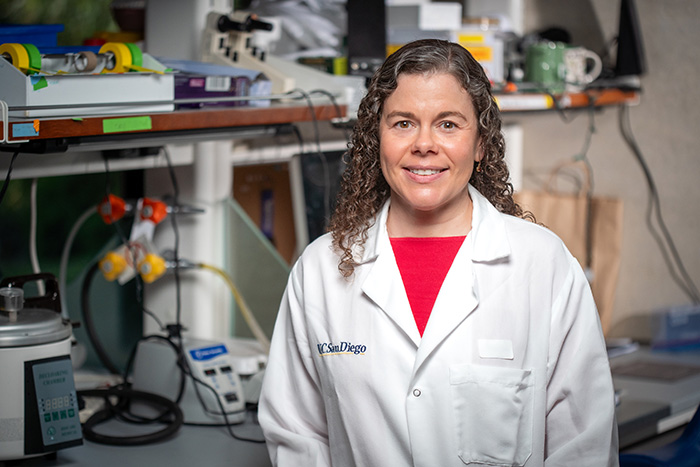
Heart disease remains one of the leading causes of death in women, but the good news is that many cases are preventable. Preventive cardiology takes a proactive approach to heart health, focusing on identifying risks and implementing changes before problems arise. For women, understanding how preventive cardiology can support long-term health is key to reducing…
-
How Family Practice Can Manage Both Acute and Chronic Conditions

Family physicians play a key role in providing comprehensive care for individuals across all age groups. Their expertise lies in treating acute conditions, managing chronic illnesses, and offering preventive care services, such as STD screenings. Here is information about family care doctors and how they address various health conditions: What Does a Family Care Doctor…
-
`The Role of Infertility Specialists in Treating Male and Female Infertility

When couples face difficulty conceiving, an infertility specialist becomes a vital partner in navigating the path forward. Rather than focusing solely on one partner, these professionals evaluate both individuals to determine why conception has not occurred. In many cases, identifying the right factor early in the process leads to more effective treatment. Infertility may stem…
-
Understanding Skin Cancer Treatments and What to Expect

Skin cancer begins when damaged skin cells grow out of control. Ultraviolet (UV) rays from the sun often trigger this. These rays harm skin cells and change how they grow. This process can lead to several types of cancer. The three main types are basal cell carcinoma, squamous cell carcinoma, and melanoma. Basal cell carcinoma…