
Orthodontics is a specialized branch of dentistry focused on correcting misaligned teeth and jaw irregularities to improve oral function and appearance. Advances in dental technology have expanded treatment options beyond traditional braces, offering solutions tailored to different needs and age groups. Understanding the different types of orthodontics helps individuals make informed decisions about the most appropriate treatment for achieving long-term oral health and alignment.
1. Traditional Metal Braces
Traditional metal braces are the most recognizable treatment in orthodontics because they are highly effective for correcting severe alignment issues. They use stainless steel brackets cemented to teeth and are connected by a thin archwire that applies steady pressure. This pressure gradually moves teeth into proper positions, making the method suitable for severe overcrowding or complex bite problems.
Modern braces are smaller, lighter, and more comfortable than older versions, significantly improving the patient experience. Many patients, especially children and teens, enjoy personalizing their braces with colored rubber bands at each appointment. Metal braces are a durable, cost-effective solution for those with significant alignment issues seeking reliable and lasting results.
2. Ceramic Braces
Ceramic braces work like traditional metal ones but offer a more discreet appearance. The brackets are made of clear or tooth-colored ceramic material, blending in with your natural smile. This makes them ideal for older teenagers and adults seeking effective braces without the visibility of metal.
While great for aesthetics, ceramic braces need extra oral hygiene care to keep the brackets clear. They are slightly more fragile than metal braces, so eating carefully is necessary to prevent breakage. If you want an effective yet subtle fixed appliance, ceramic braces are a great option.
3. Lingual Braces
Lingual braces are an orthodontic treatment in which brackets and wires are attached to the backs of the teeth instead of the fronts. Hidden behind your teeth, they are completely invisible when you speak, smile, or eat, offering a discreet treatment option. This option is ideal for professionals, actors, or anyone wanting to straighten their teeth without others noticing the treatment.
The braces are custom-made to fit the contours of your teeth, ensuring precise and effective movement during treatment. They may take time to adjust because of their position near the tongue, which can temporarily affect speech or cause irritation. Despite the adjustment period, lingual braces are popular among adults for discreetly improving their smile while maintaining the benefits of fixed braces.
4. Clear Aligners
Clear aligners are a removable, nearly invisible orthodontic option. They are a modern alternative to fixed appliances. These custom plastic trays fit snugly over your teeth. They gently shift your teeth into place. No wires, brackets, or rubber bands are needed. You can remove them to eat, drink, and brush your teeth. This makes it easier to maintain oral hygiene during treatment.
This flexibility is a huge benefit for adults. It helps them maintain a professional image while straightening their smile. Success treatment process depends on patient compliance. You must wear the trays for 20 to 22 hours daily. Forgetting to put them back in can extend treatment time. Clear aligners work well for mild to moderate spacing or crowding, and they are more comfortable and convenient.
5. Early and Preventive Orthodontics
Orthodontic treatment isn’t just for teenagers. Early evaluation helps identify potential issues in young children before they worsen. The American Association of Orthodontists advises a first check-up by age seven to detect crowding, crossbites, or jaw misalignment.
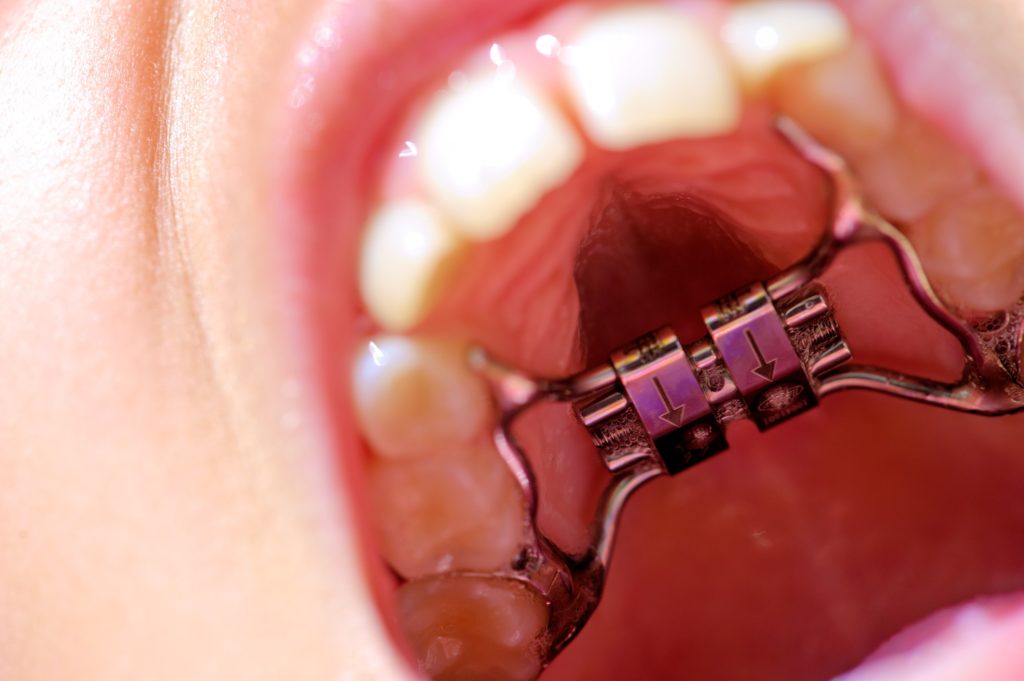
Preventive measures, called Phase 1 treatment, guide jaw growth and make sure there is enough space for permanent teeth to come in properly. Treatments may include space maintainers to hold space for permanent teeth or palatal expanders to widen the upper jaw. Addressing these issues early often makes future orthodontic treatments shorter, easier, and less complicated for the child.
Schedule Your Orthodontic Consultation Today
If you are concerned about your dental health or your child’s dental development, the right action is to schedule a consultation without delay. This will allow the orthodontist to identify potential issues and personalize treatment plans for improved oral health. They will also answer your questions and address any other concerns related to orthodontics. Don’t delay booking a consultation. Find experienced specialists in your area for solid orthodontic care.