
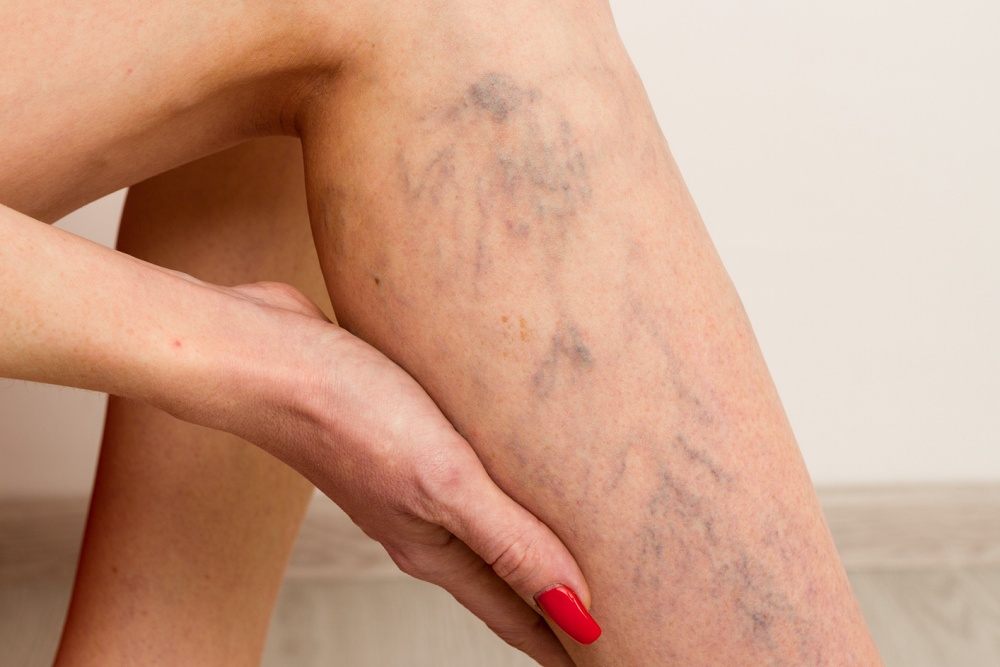
Varicose veins are enlarged, twisted veins that appear blue or dark purple, and they can cause discomfort or swelling. These veins develop when damaged valves allow blood to flow in the wrong direction or pool. Understanding the symptoms and available treatments is a helpful step in managing this condition. Here is what you should know about this condition and treatments for it:
Varicose Vein Symptoms
Discomfort and visible changes are typical indicators of varicose veins. People might experience an achy or heavy feeling in their legs, and they may also notice burning, throbbing, muscle cramping, and swelling in their lower legs. After sitting or standing for long periods, these symptoms might worsen. Other signs include skin discoloration around a varicose vein, and itching around one or more of the veins.
In addition to physical discomfort, the appearance of the veins themselves is a primary symptom. These veins are twisted and bulging, appearing like cords on your legs. You might also notice smaller spider veins, which are red or blue lines that appear closer to the skin’s surface.
Some individuals develop more advanced complications associated with varicose veins. A painful vein may be a sign of a blood clot, a condition that merits prompt medical attention. Ulcers, which are open sores, may form on the skin near varicose veins, particularly near the ankles. These symptoms signal a more serious form of vascular disease.
Sclerotherapy Treatments
Sclerotherapy is a procedure doctors use to address varicose and spider veins. The procedure involves injecting a solution directly into the vein, and this solution causes the vein to scar, forcing blood to reroute through healthier veins. As the vein collapses, the body gradually absorbs it over time.
A medical professional performs the process in a clinical setting, and it does not require anesthesia. While many people are eligible for this treatment, its suitability depends on individual health factors and the specific veins. They may recommend compression stockings for a period to maintain pressure on the treated veins.
Ablation Procedures
Ablation is a minimally invasive treatment that uses heat, and it closes off varicose veins. Surgeons insert a thin tube, called a catheter, into the vein while they use ultrasound to guide it. It delivers energy through the catheter that heats the vein wall, causing it to collapse and seal shut. This process effectively closes the damaged vein, and blood naturally redirects to other, healthier veins.
There are different types of ablation procedures available.
- Radiofrequency ablation: Uses radiofrequency energy to heat and close the vein.
- Endovenous laser ablation: Uses laser energy for the same purpose.
These procedures are usually performed with local anesthesia. Patients typically experience a quick recovery and may return to normal activities shortly after the treatment.
Ambulatory Phlebectomy
Ambulatory phlebectomy is a procedure that removes superficial veins through small, slit-like incisions in the skin. A medical professional will mark the veins to be removed before the procedure begins. A local anesthetic is administered to numb the areas, allowing you to remain awake during the treatment. The practitioner then uses a special tool to extract the targeted vein through the tiny punctures, which are small enough that they typically do not require stitches.
Treat Varicose Veins Today
Addressing varicose veins begins with understanding the condition and the available treatment options. The symptoms can range from cosmetic concerns to significant discomfort, and various procedures exist to manage them. If you are experiencing symptoms of varicose veins, schedule a consultation with a qualified specialist to discuss your treatment options.