
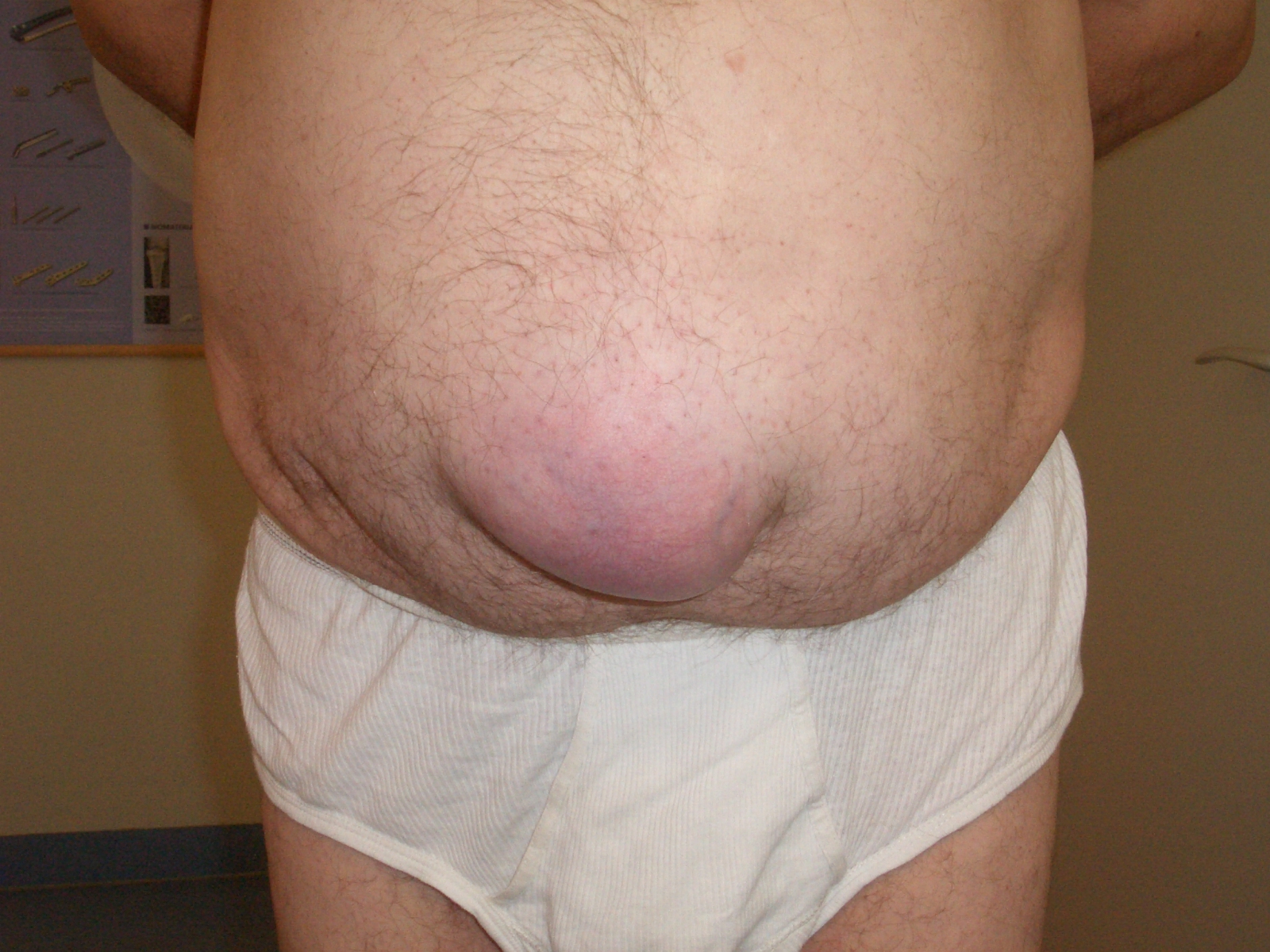
A hernia occurs when an organ or fatty tissue squeezes through a weak spot in a surrounding muscle or connective tissue called fascia. Dealing with a hernia can be a confusing experience, but learning about your treatment options is a positive first step. Understanding the different types of hernias and the available hernia surgery procedures can help you prepare for a conversation with your healthcare provider about the best path forward for your specific situation.
What causes hernias?
Hernias develop from a combination of muscle weakness and strain. The wall of muscle that keeps your organs in place can weaken over time or have a pre-existing weak spot. Anything that creates pressure on the abdomen can contribute to a hernia, particularly if muscle weakness is already present.
Activities and conditions that increase pressure in the abdomen can lead to a hernia. This includes lifting heavy objects without stabilizing the abdominal muscles, persistent couoh boyghing or sneezing, and straining on the toilet due to constipation. Obesity, pregnancy, and fluid in the abdomen may also put you at greater risk.
Some people are born with a weakness in their abdominal wall, making them more susceptible to developing a hernia later in life. Previous abdominal surgery can create a weak area at the incision site. Aging also contributes to muscle weakness, increasing the likelihood of a hernia developing.
What are the types of hernias?
While hernias can occur in various parts of the body, they most commonly appear in the abdominal wall. The type of hernia is determined by its location. Knowing the type helps your medical team decide on the appropriate approach for hernia surgery treatment.
Here are some of the most common types of hernias:
- Inguinal hernia: This is the most frequent type, occurring in the inner groin when the intestine pushes through a weak spot in the lower abdominal wall.
- Femoral hernia: This type appears in the upper thigh or outer groin. It happens when fatty tissue or part of the bowel protrudes into the groin at the top of the inner thigh.
- Umbilical hernia: This hernia develops near the navel, or belly button. Part of the small intestine passes through the abdominal wall near the navel.
- Hiatal hernia: This internal hernia occurs when part of the stomach pushes up through the diaphragm into the chest cavity.
- Incisional hernia: This can occur through a scar from a previous abdominal surgery, as the incision site may not be as strong as the surrounding tissue.
Each type of hernia presents differently and may require a specific treatment plan. Your doctor will diagnose the type of hernia you have based on a physical examination and possibly imaging tests.
How are hernias repaired?
Repairing a hernia typically involves a surgical procedure to push the protruding tissue back into place and strengthen the weakened muscle wall. The specific technique used for hernia surgery depends on the hernia’s type, size, and location, as well as your overall health.
Open Surgery
Open hernia surgery involves a single, larger incision over the hernia. The surgeon pushes the bulging tissue back and repairs the weakened muscle wall, often with sutures. Often, surgical mesh reinforces the area, acting as a scaffold for new tissue growth and a stronger repair. This well-established procedure can be performed with local or general anesthesia.
Laparoscopic Surgery
Laparoscopic hernia surgery is a minimally invasive technique. Instead of a single large incision, surgeons make several small ones in your abdomen. A laparoscope (a thin tube with a camera) is inserted to provide a clear internal view on a monitor. Through other small incisions, the surgeon uses special instruments to repair the hernia, often placing mesh from inside the abdominal wall. This method typically results in less scarring and a quicker recovery than open surgery.
Robotic Surgery
Robotic hernia surgery is a minimally invasive procedure similar to laparoscopic surgery. The surgeon operates robotic arms from a console, using them to control instruments and a 3D high-definition camera. This technology enhances precision, flexibility, and control. Like laparoscopic surgery, small incisions are made to repair the hernia and place surgical mesh. Robotic surgery offers benefits such as smaller scars and faster recovery.
Discuss hernia surgery
Understanding the causes of hernias, the different types, and the available hernia surgery options is a valuable part of managing your health. Open, laparoscopic, and robotic surgeries all offer effective ways to repair a hernia, each with its own approach. Learning about these methods prepares you to have a productive discussion with your doctor. Speaking with a healthcare professional can help you determine the most suitable treatment plan for your individual needs.