
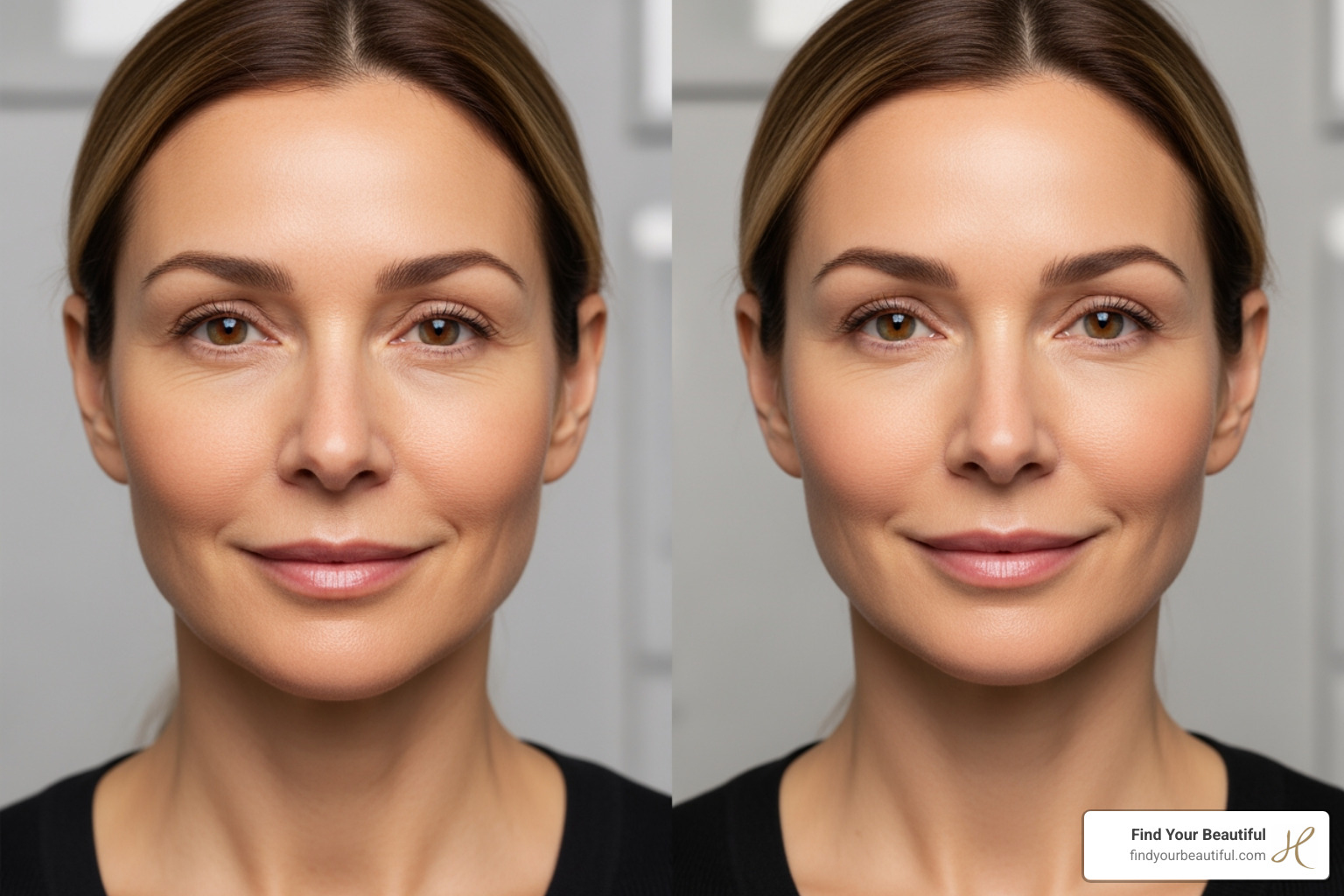
A facelift, also called a rhytidectomy, is a surgical procedure that repositions and tightens facial tissues to create a smoother, firmer appearance. As people age, skin loses elasticity and underlying support structures shift, leading to visible changes across the face. A plastic surgeon performs this procedure to address these changes, with the goal of providing a more refreshed look while maintaining natural features. Here is information on facelifts and how they provide a more youthful appearance:
Improve Mid-face Sagging
The mid-face region, which includes the cheeks and the area beneath the eyes, often shows early signs of aging. The fat pads that give this area its youthful fullness begin to descend, creating a hollow or drooping appearance. During a facelift, a plastic surgeon typically makes incisions along the hairline and sometimes behind the ears. These placements allow the surgeon to access the deeper tissues while keeping resulting scars discreet and easy to conceal.
Once the incisions are made, the surgeon lifts and repositions the underlying muscle and tissue to restore support to the mid-face. Excess skin may be trimmed, and the remaining skin is smoothed to follow the new, elevated contours. This approach addresses sagging at its structural source rather than simply pulling the surface skin. The result is often a smoother transition between the cheeks and the lower eyelids.
Reduce Jawline Sagging
A well-defined jawline is frequently associated with a youthful appearance, and this definition tends to soften with age. Loose skin and descending tissue can create jowls. A facelift targets this area by tightening the deeper support layers and removing surplus skin along the lower face. By repositioning the tissue upward and backward, the surgeon can help restore a cleaner separation between the jaw and the surrounding areas. A facelift can also address early banding or laxity in the upper neck, depending on the technique selected.
Address Lost Facial Volume
Aging affects more than skin firmness; it also reduces the volume that gives the face its balanced proportions. As fat and collagen diminish, certain areas can appear flat or sunken. While a traditional facelift focuses on lifting and tightening, some surgeons combine it with fat removing or redistributing techniques if desired. The combination of repositioned tissue and rebalanced volume may produce a more harmonious appearance across the entire face. This is why each treatment plan varies according to individual needs and the surgeon’s recommendations.
Schedule a Facelift Consultation
Deciding whether a facelift suits your goals begins with a professional evaluation. During a consultation, a board-certified plastic surgeon can assess your facial structure, review your medical history, and explain the techniques they would recommend. This conversation gives you the opportunity to ask questions and clarify what the recovery process may involve.
To learn more personalized information, contact a plastic surgeon for a consultation. A thorough consultation provides the personalized guidance needed to make an informed choice about your appearance and long-term goals. Reach out to a certified professional today to learn more about your cosmetic treatment options, whether you want surgical or injectable treatments.