
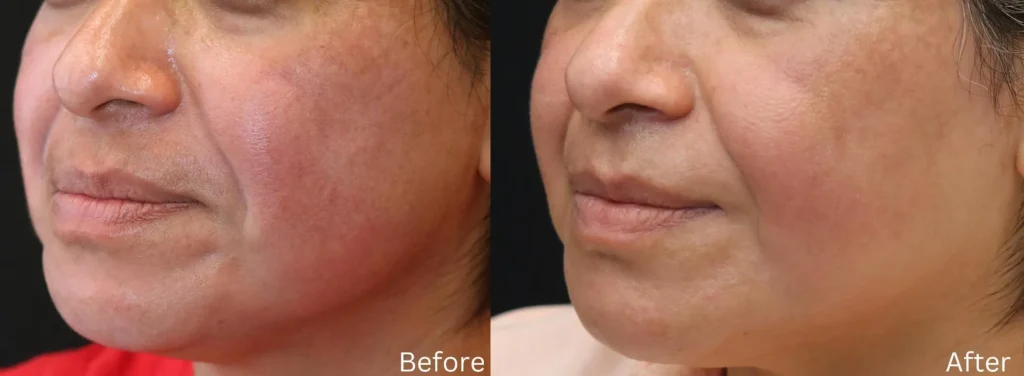
Mohs surgery is a surgical technique that treats certain types of skin cancer. During the procedure, a surgeon removes thin layers of skin tissue one at a time and examines each layer under a microscope. The process continues until no cancer cells remain. This method allows for the removal of cancerous tissue while preserving as much healthy skin as possible. Named after Dr. Frederic Mohs, who developed the technique, this approach is often selected for cancers in delicate or highly visible areas. Here are some more facts about Mohs surgery:
When Is It Recommended?
Skin cancer develops when skin cells grow abnormally, often as a result of damage to the DNA within those cells. The most common types include basal cell carcinoma, squamous cell carcinoma, and melanoma. Sun exposure is a frequent contributing factor to developing skin cancer, though other causes exist as well. These cancers can appear as new growths, sores that do not heal, or changes in existing moles.
Mohs surgery is frequently recommended for basal cell carcinoma and squamous cell carcinoma. Physicians may recommend it when cancer appears in areas where preserving tissue matters, including the face, ears, hands, or feet. This surgery is also discussed for cancers that have returned after previous treatment or those that are large or growing quickly. The decision depends on the type, size, and location of the cancer, and a specialist evaluates each case individually.
Detecting skin changes early gives you more treatment options, as smaller growths are often easier to address than larger ones. Early identification also allows for planning before the growth spreads to surrounding tissue. Getting regular skin checks with a dermatologist, especially when you notice new or changing spots, is a proactive way to support your skin health.
What Can You Expect?
Mohs surgery is typically performed in an outpatient setting using local anesthesia, so you remain awake during the procedure. The surgeon begins by removing a thin layer of tissue from the affected area. This tissue is then processed and examined under a microscope while you wait. If cancer cells are found at the edges, the surgeon removes an additional layer from the area where they appeared.
This process repeats until the examined tissue shows no remaining cancer cells. Because of this layer-by-layer approach, the appointment can take several hours, and much of that time is spent waiting for tissue analysis. Once the area is clear of cancer cells, the surgeon closes the wound. Some wounds heal on their own, while others may require stitches or a reconstructive technique depending on the size and location.
What Is Recovery and Follow-up Like?
After the Mohs procedure, you receive instructions for caring for the treated area. Recovery experiences vary from person to person, and factors such as the size of the wound and its location can influence how the area heals. You may notice some swelling, redness, or discomfort near the site, which should ease over time. Your care team will explain how to keep the treated area clean and when to change any dressings. Follow-up appointments allow the specialist to check how the site is healing and to answer questions. Because some skin cancers can return, ongoing skin monitoring is often part of the plan.
Contact a Mohs Surgery Specialist
If you have noticed a suspicious growth, a qualified dermatologist can review your situation and explain your treatment options. A skin cancer consultation gives you the chance to ask questions about the Mohs procedure, discuss your specific case, and understand what your care plan involves. Every situation is unique, and a trained surgeon can provide guidance based on your individual needs. Reach out to a Mohs surgery specialist to schedule an evaluation and learn more about the care available to you.