
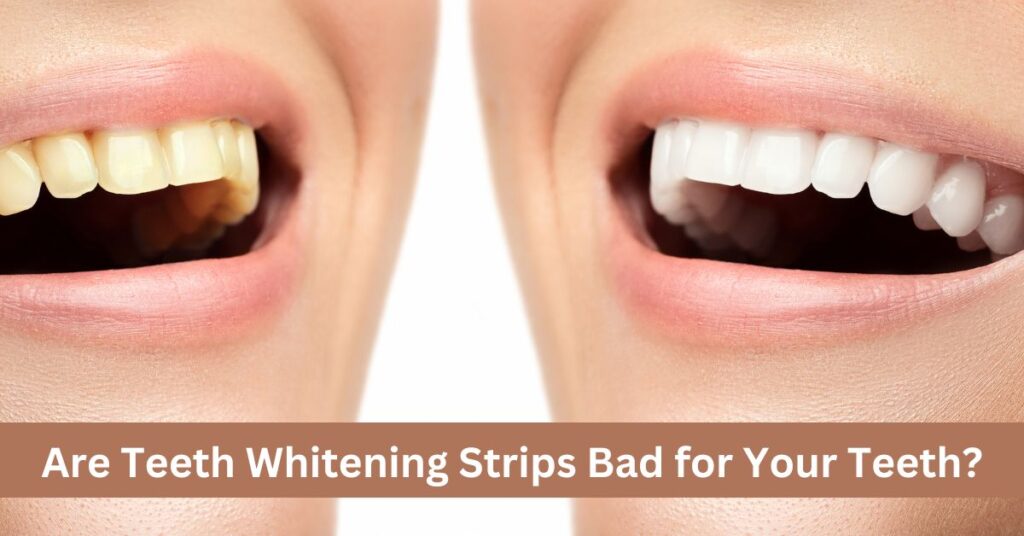
Although you might diligently brush and floss, your teeth may become discolored over time. Common causes of discoloration include tobacco use, dental trauma, and age; the buildup of plaque or calculus may also cause discoloration. When seeking solutions for these aesthetic issues, you can choose between in-office procedures or take-home kits. Here is more information about teeth whitening and the professional options for treatment:
Teeth Whitening
Professional teeth whitening utilizes specific chemical agents to target discoloration. Stains generally fall into two categories; these categories are extrinsic deposits on the surface and intrinsic discoloration deeper in the tooth’s structure. Because the whitening agent penetrates the enamel, it breaks up these pigmented compounds.
Although this treatment is safe, it is not meant for everyone, and dentists typically do not recommend it for patients under the age of 16. Those with gum disease or dental decay need treatment for these oral health issues first. Some stains cannot be treated with whitening agents; in these cases, a dentist might suggest dental bonding or veneers to correct the discoloration.
In-office Treatments
One method of getting whitening treatment is to visit the dentist office and receive treatment there. The dentist carefully applies a powerful gel to your teeth, and a special light activates its bleaching properties. Appointments typically last about one hour. The process is faster than at-home treatments, and the results may be dramatic, leaving you with a smile that is eight to 10 shades lighter.
Take-home Kits
Some patients prefer whitening their smile in the privacy of their own home. Your dental provider takes impressions of your teeth, and they create custom-fitted trays. You will receive a more gentle concentration of the whitening agent, which you will apply within these trays.
Since every patient has unique needs, the dentist provides instructions regarding wear time and frequency. This approach offers flexibility, but it requires adherence to the provided guidelines for safety. The whitening agent is not as strong as the gel you would use in an in-office treatment. The results of an in-home treatment will be more gradual.
Possible Results
Whiter is not always better in the realm of dental aesthetics. A dentist can help you monitor your treatment, so the whiteness stays within safe limits looks more natural. If you want the ideal shade, you can aim to match the shade of the whites of your eyes.
Once the treatment is complete, you can protect your enamel from new stains. Some ideas to protect your teeth include:
- Avoiding highly pigmented foods and beverages immediately after treatment.
- Rinsing with water or brush if you consume staining items later.
- Refraining from smoking to prevent new discoloration.
Regular oral hygiene supports these efforts. Brush and floss daily, and visit the dentist every six months for cleanings. Touch-up treatments are available if you notice fading after a few months. Although the results are long-lasting, your lifestyle choices influence how long your smile stays bright, and maintenance behaviors help the results last.
Learn More About Teeth Whitening
Professional treatments can address persistent extrinsic stains, and whitening may affect some intrinsic stains. These procedures may improve the look of your smile. If you want to learn more about the different options for teeth whitening available to you, consult your dental provider.
- Exploring Services Offered at a Bone and Joint Clinic
- Understanding the Different Types of Allergy Testing Available
- 3 Strategies for Managing Depression in Daily Life
- Understanding Chronic Conditions Managed by Internal Medicine Specialists
- Understanding the Different Types of Allergy Testing Available