
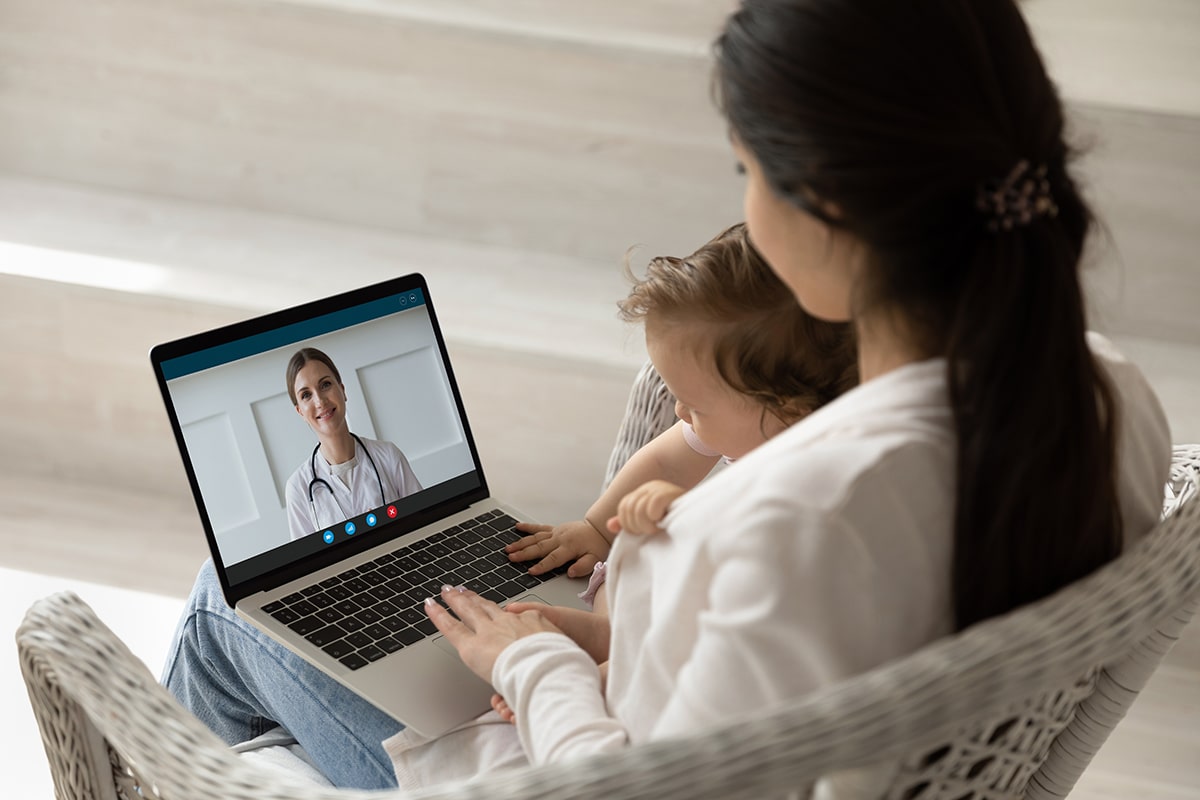
Telehealth connects you with a provider through video, phone, or secure messaging. Since your provider can answer all of your questions, you will make an informed decision. You may have questions before your first visit, and that is normal.
Simple Steps Before Appointments
A little planning makes your visit run smoothly. Let others in your home know you need a few minutes, since you should not be interrupted. Being prepared means your visit stays efficient, and you leave with a clear plan. Before your appointment, gather and check the following:
- Space and lighting: Choose a quiet, private area with good lighting; a window nearby helps if you need to show a rash or skin condition.
- Power: Keep a charger nearby in case your battery runs low.
- Symptom notes: Write down your symptoms, when they started, how often they occur, and whether anything makes them better or worse.
- Medications and questions: List your current medications and any questions you want answered so your provider gets a full picture quickly.
- Recent test results: Bring cholesterol numbers or other lab results; if you manage diabetes or arthritis, include a short summary of recent changes.
That detail helps your provider assess your situation without unnecessary back-and-forth.
Common Treatable Telehealth Conditions
Telehealth suits many everyday health concerns, and providers can review nasal congestion, allergies, and headaches. They also address fever, cough, and flu symptoms. If you are unsure whether your condition qualifies, a brief call with the office can help you decide. A provider may examine skin infections or rashes over video, and they will answer some women’s and men’s health care questions. For women’s health, this includes conversations about birth control options and general wellness concerns. Fatigue often prompts a visit. Providers evaluate possible causes, and they will suggest next steps.
Sometimes fatigue connects to an underlying condition like diabetes, and catching that link early matters. Your provider can review blood sugar trends, adjust guidance, and track arthritis symptoms over time. Cholesterol and other blood test reviews happen easily during a call. Your provider can walk you through your results, and they will recommend a clear plan. Many of these conditions share a common thread, since they are manageable with a provider who listens.
Clear Telehealth Limits Explained
If your provider determines that an in-person visit is needed, they will let you know clearly and explain the next step. Your provider may treat you fully during the visit, or they will refer you for in-person care. Sometimes a hands-on assessment is needed. A rash that does not respond to initial treatment may need a closer look from a dermatologist in person. Emergencies always require different actions. Chest pain, difficulty breathing, or severe injury needs immediate in-person help. Call emergency services rather than booking a virtual visit. If you are unsure whether your situation is an emergency, err on the side of caution and seek in-person care right away. Some follow-up steps, like updated lab work or imaging, still require a physical location. Knowing these boundaries helps you use telehealth effectively.
Schedule Your Telehealth Visit
Telehealth gives you a practical way to reach a provider for common concerns, since going in person is not always the best choice. Review the conditions above and schedule an appointment when you are ready. You bring the questions, and your provider brings the guidance. Plan your next step.