
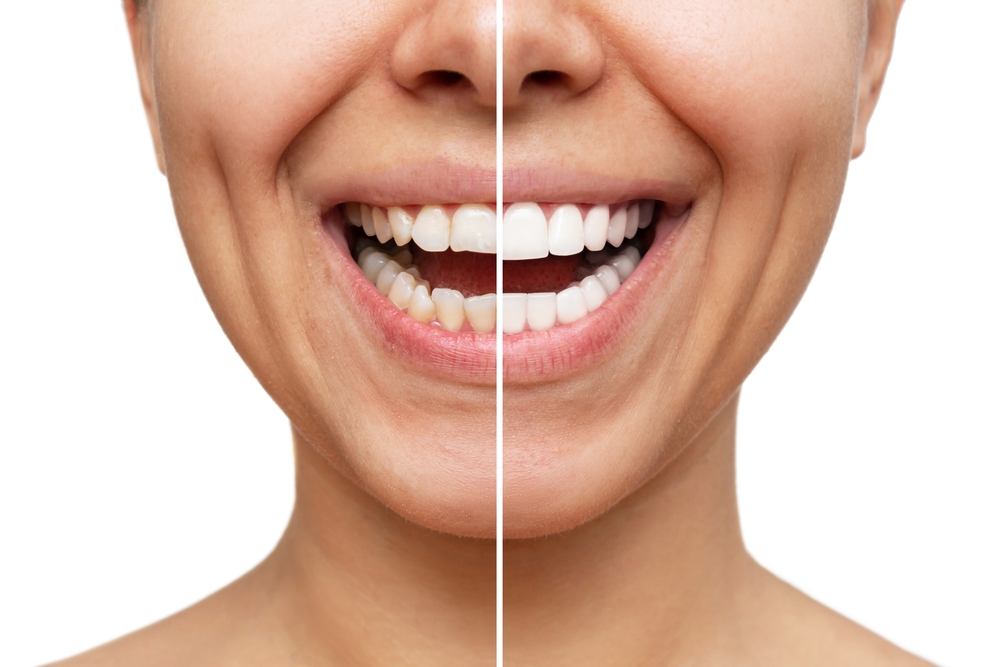
Various factors contribute to the darkening of enamel, including dietary habits, tobacco use, and the natural aging process. Professional teeth whitening is a clinical procedure to address tooth discoloration, and it provides a more controlled approach than over-the-counter alternatives. Here is more information on this procedure and what the process involves:
What Is Professional Teeth Whitening?
Professional teeth whitening is a cosmetic dental procedure that lightens the shade of natural tooth structure. It involves applying high-concentration bleaching agents, and the procedure is monitored by a dental professional to manage safety and efficacy. This method targets both extrinsic stains on the surface and intrinsic stains located deeper within the enamel and dentin.
The concentration of active ingredients in professional products is higher than that found in retail kits. Dentists use these potent formulations to achieve noticeable results in a shorter timeframe, or they may prescribe custom take-home kits. Clinician supervision facilitates proper application, minimizing risks to the soft tissues of the mouth.
How Does It Work?
Teeth whitening works by targeting and breaking down the molecules that cause stains. These stain-causing compounds are disrupted by a chemical reaction, which lightens the teeth’s color without damaging the enamel. Different whitening methods may use various tools to speed up the process, but the main action comes from the whitening agent used. The strength of this agent affects how quickly and effectively the teeth are whitened.
What Does the Process Involve?
The process begins with a comprehensive dental examination to assess oral health. A dentist verifies that the patient has no active cavities or gum disease, as these conditions can cause sensitivity during the procedure. Once the patient is cleared for treatment, the dentist prepares the mouth and applies the whitening gel directly to the teeth. After the desired shade is reached, the gel is rinsed away, and post-operative instructions are provided.
What Are the Benefits?
One primary benefit of professional whitening is the speed at which results are achieved. In-office procedures may yield a lighter shade in a single visit, while at-home kits may require more consistent application. This efficiency is beneficial for patients seeking immediate improvements for specific events or personal preferences.
A dental professional can customize the treatment plan to address the patient’s specific needs. They can adjust the concentration of the whitening agent to manage sensitivity, and they can recommend specific protocols for stubborn stains. This tailored approach facilitates a more predictable outcome compared to generic products.
How Long Do Results Last?
The longevity of teeth whitening results varies among patients and depends on lifestyle habits. The whitening effect is not permanent, as teeth are continually exposed to staining agents from food and beverages. Consumption of coffee, tea, red wine, and tobacco products will accelerate the recurrence of discoloration.
Maintenance is often necessary to preserve the brightness of the smile over the long term. Patients may require periodic touch-up treatments, or they can use a lower-concentration home kit as directed by their dentist. Proper oral hygiene practices, including regular brushing and flossing, also help extend the duration of results.
Learn More From a Dentist
Professional teeth whitening is an effective method for improving the aesthetic appearance of the smile when performed under clinical supervision. It offers advantages over retail products, but it requires an evaluation to determine suitability. Schedule an appointment with a dental professional to discuss your specific dental needs.
- Exploring Services Offered at a Bone and Joint Clinic
- Understanding the Different Types of Allergy Testing Available
- 3 Strategies for Managing Depression in Daily Life
- Understanding Chronic Conditions Managed by Internal Medicine Specialists
- Understanding the Different Types of Allergy Testing Available