
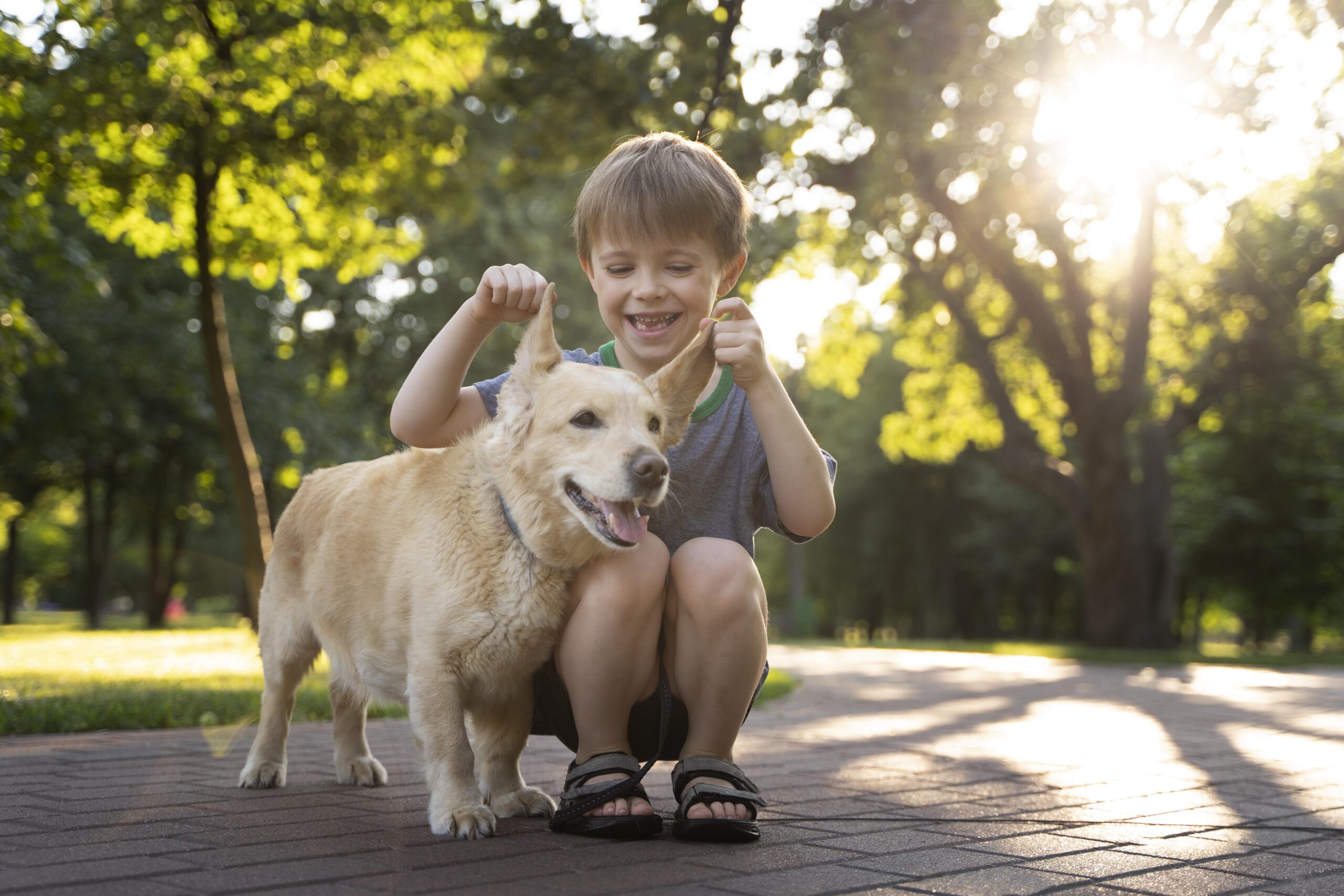
Animal therapy involves interactions with trained animals as part of a structured treatment plan, offering a unique approach to mental health support. This practice leverages the human-animal bond to help individuals manage and overcome various emotional and psychological challenges. The presence of an animal can create a calming and non-judgmental atmosphere, facilitating therapeutic progress.
What Is Animal Therapy?
Animal therapy, also known as animal-assisted therapy (AAT), is a goal-oriented intervention where an animal that meets specific criteria is an integral part of a person’s treatment process. AAT is delivered or directed by a professional with specialized expertise. It is designed to promote improvement in human physical, emotional, and cognitive functioning.
The practice is distinct from owning a pet or having an emotional support animal. AAT involves specific therapeutic goals, and sessions are documented and evaluated by a professional. The animals involved, most commonly dogs and horses but also other species, undergo rigorous training and screening. This preparation makes certain they are well-behaved, calm, and suited for interaction in a therapeutic environment.
How Does It Work?
Animal therapy functions through the establishment of a bond between the individual and the therapy animal. This interaction is believed to trigger physiological and psychological responses that can be beneficial. This may help reduce feelings of stress and anxiety. The animal’s unconditional acceptance can create a safe space for individuals to express themselves without fear of judgment.
A therapist guides the interactions to help the person achieve specific goals. Someone dealing with trauma might find solace in quietly stroking a therapy animal, which can help them feel grounded and present. The animal acts as a facilitator. It may help break down communication barriers and build rapport between the therapist and the individual.
What Are the Benefits?
Engaging in animal-assisted therapy may offer a range of benefits for emotional well-being. Many people report a reduction in feelings of anxiety and depression following interactions with therapy animals. The presence of an animal can lower blood pressure, contributing to a state of relaxation. For individuals experiencing feelings of loneliness, the companionship of an animal can provide comfort and a sense of connection.
The responsibility of caring for or interacting with an animal may also foster a sense of purpose and improve self-esteem. People may find it easier to engage with others when an animal is present, as the animal often serves as a natural conversation starter. Non-verbal communication with animals can also help individuals become more attuned to body language and emotional cues in themselves and others.
Consult a Mental Health Professional
Animal-assisted therapy can be a valuable component of a comprehensive mental health treatment plan. It offers a unique way to address emotional and psychological needs by harnessing the positive effects of the human-animal bond. If you are exploring options for mental health support, discussing them with a qualified mental health professional is a recommended step. A professional can help determine if animal therapy is an appropriate addition to your overall care strategy and guide you toward a suitable program.