
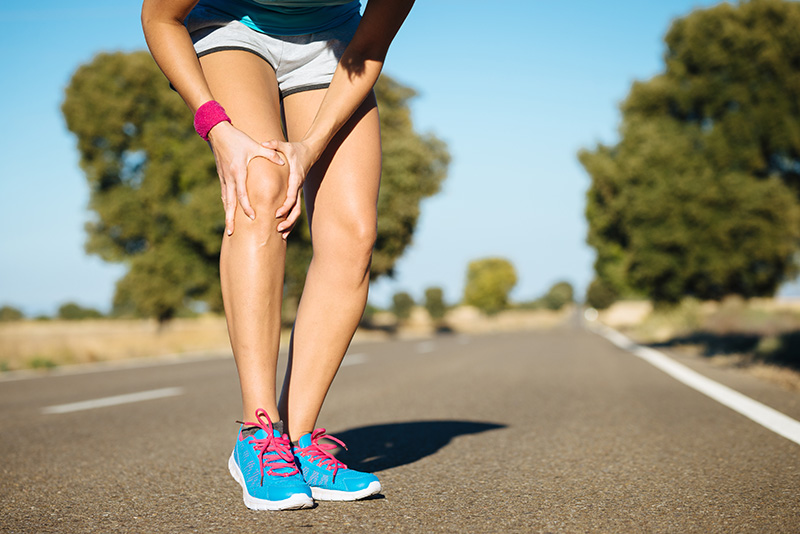
The knee is the largest joint in the body, and it endures stress from everyday activities like lifting, kneeling, and walking. Knee pain is a common complaint that affects people of all ages and activity levels. It may start suddenly, often after an injury or exercise, or as a mild discomfort that slowly worsens. Understanding the potential sources of this pain helps you know how to address it. Here’s information on common causes of knee pain:
Acute Knee Injuries
The location and severity of knee pain can vary, depending on the cause of the problem. Acute knee injuries occur suddenly as a result of a direct impact, a fall, or an abrupt twisting motion. These injuries are common in sports and may affect the bones, ligaments, tendons, or cartilage of the knee joint. One of the most well-known acute injuries is an anterior cruciate ligament (ACL) tear. The ACL is one of four main ligaments that connect the femur to the tibia, and it can be sprained or torn if you suddenly change direction or stop.
Fractures are another type of acute injury where one of the bones of the knee joint breaks. Meniscus tears are also frequent among active individuals. The meniscus is a piece of C-shaped cartilage that acts as a shock absorber between your shinbone and thighbone, but it can be torn if you forcefully twist or rotate your knee. Dislocations of the kneecap (patella) or the knee joint itself are less common but represent severe acute injuries that require immediate attention.
Overuse Knee Injuries
Overuse injuries develop over time from repetitive stress on the knee joint or surrounding tissues. These injuries are prevalent in athletes who perform the same motion repeatedly, like runners, cyclists, and swimmers. Tendinitis, or inflammation of a tendon, is a common overuse condition. Patellar tendinitis, often called “jumper’s knee,” involves inflammation in the tendon that connects the kneecap to the shinbone, and it causes pain between the kneecap and where the tendon attaches. Some other overuse knee conditions are:
- Bursitis: Bursitis results from overuse, where the small, fluid-filled sacs (bursae) that cushion the outside of your knee joint become inflamed. This causes pain and swelling on the surface of the knee.
- Patellofemoral Pain Syndrome: Also known as “runner’s knee,” this syndrome refers to pain that occurs between the kneecap and the underlying thighbone. It is common in individuals who participate in sports that involve running and jumping, although it may also affect non-athletes.
- Iliotibial (IT) Band Syndrome: Occurs when the IT band, a ligament running along the outside of the thigh, becomes tight or inflamed.
Chronic Knee Conditions
Some knee pain stems from chronic conditions, which are long-term medical issues that affect the joint. Osteoarthritis is a degenerative joint disease and the most common form of arthritis affecting the knee. This condition involves the wearing down of the protective cartilage on the ends of your bones over time, which can lead to pain and stiffness. It is often related to age, but it may also result from a previous knee injury.
Rheumatoid arthritis is a chronic autoimmune disorder that affects the knees by causing the joint lining to swell, resulting in pain and eventual erosion of the joint. Gout is another form of arthritis caused by a buildup of uric acid crystals in the joints. It can lead to intense episodes of pain and swelling in the knee.
While these conditions are chronic, their symptoms are managed through various approaches. Both acute injuries and overuse conditions may progress to chronic problems if they are not addressed properly. Knee pain should never be ignored, especially when it begins to interfere with your daily activities or quality of life. Seek the expertise of a specialist if you experience persistent pain lasting more than a few weeks, significant swelling, difficulty bearing weight, or feelings of instability in the knee.
Learn More About Knee Pain Management
Experiencing knee pain can be disruptive and concerning, particularly for individuals who lead an active lifestyle. Different knee conditions have distinct causes and may need different approaches to management. If you are experiencing persistent or severe knee pain, contact a pain specialist today. A healthcare professional can clarify the specific cause of your symptoms and help you explore appropriate treatment options.