
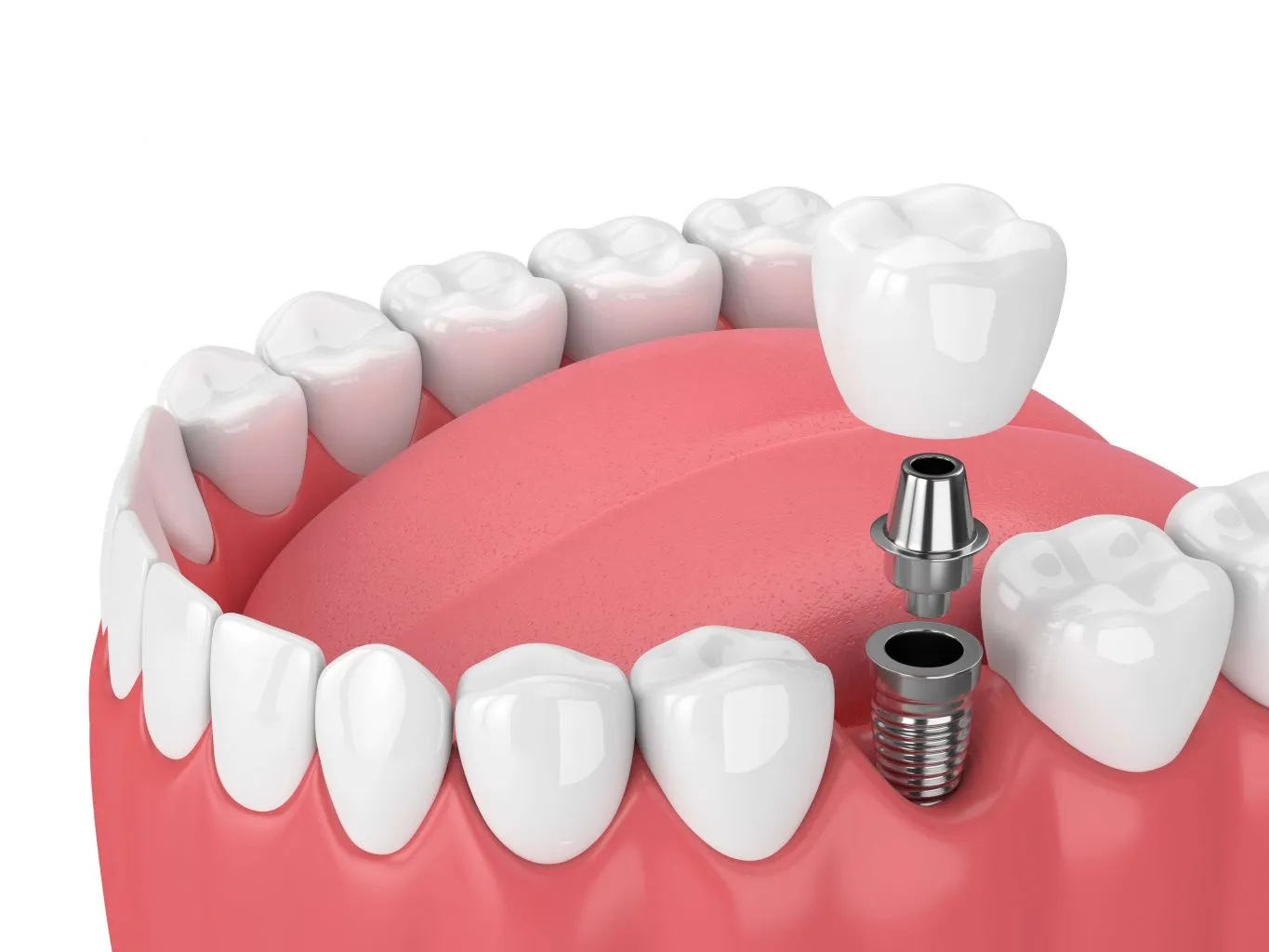
Losing a tooth impacts more than just your smile; it affects how you eat and speak. Dental implants offer a solution for some patients. They function much like natural teeth. When you choose an implant, you invest in a long-term restoration option that supports your oral health.
Specific Implant Types
Different situations require specific implant types for stability and comfort. Your dentist will evaluate your jawbone density and recommend a standard implant if your bone structure is healthy. A regular implant is the most common choice because it mimics a natural tooth root. If a standard implant cannot be supported in your jaw, a plate-form implant may be used. This type uses a long, flat metal strip under the gum and on top of the bone. Since the jaw cannot support a screw, the plate provides a secure foundation for the artificial tooth. Some patients need a different approach. A subperiosteal implant sits on the bone under the gum tissue, and it uses a metal frame for support. This frame becomes fixed to your jawbone as the gums heal, allowing it to hold the new tooth securely.
Factors Affecting Dental Implants’ Longevity
Dental implants require proper care and cleaning. Maintain excellent oral hygiene habits, or plaque can build up around the implant site. Brushing and flossing daily removes harmful bacteria that lead to infection or implant failure. Lifestyle choices also play a significant role in how long your restoration lasts. Smoking slows down healing significantly, and it increases the risk of complications after your surgery is complete. Excessive pressure can damage both the implant and the crown. Regular dental checkups are necessary for monitoring the condition of your implant. Your dentist will check for any signs of movement and clean hard-to-reach areas at home. Professional maintenance helps keep the surrounding gum tissue healthy, helping the implant remain stable for years.
Daily Care and Maintenance
Treating your implant like a natural tooth is the best way to support its success. Use a soft-bristled toothbrush, but avoid abrasive toothpaste that scratches the restoration’s surface. Scratches harbor bacteria, so using gentle products protects the implant from unnecessary wear and tear. A water flosser or specialized floss designed for dental implants is helpful. These tools clean the gum line effectively without irritating or damaging the soft tissue. Dietary habits influence the stability of your implant over time. Hard foods can crack the artificial crown, so treat them like your original teeth.
Regular follow-up appointments are necessary in order to maintain the health of your dental implant. Your dental professional will check the implant, look for signs of inflammation or infection, and they will confirm healthy bone and gum tissue. Consistent care and monitoring help you enjoy a durable, functional implant.
Schedule Your Consultation Today
Taking the next step toward a restored smile begins with a professional evaluation. Contact your office to discuss your options, and they will determine if regular, plate-form, or subperiosteal implants suit your needs. Since they are here to answer your questions, reach out today. Start towards better oral health.