
Follow-up visits are a significant part of recovery after cataract surgery. These appointments allow an eye doctor to monitor healing and adjust the treatment plan as needed. Here are the key benefits of attending follow-up visits after cataract surgery:
Monitoring Early Healing
Your eye needs time to recover after cataract surgery; the first follow-up visit usually takes place within a day or two of the procedure. During this early visit, the surgeon examines the eye’s surface, checks the position of the new lens, and measures intraocular pressure. When these readings fall within the expected range, your care team can confirm that healing is moving in the right direction.
Early appointments also help your surgeon compare your eye against its expected recovery timeline. Minor changes become easier to detect when they are reviewed in sequence. Your surgeon may ask about your comfort levels, your vision clarity, and they also ask about sensations you notice throughout the day. These conversations give the clinical team useful details that a single exam might miss.
Detecting Possible Complications
Most people recover from cataract surgery without difficulty. Follow-up visits serve a fundamental purpose in detecting issues early. A trained eye can identify subtle signs before they affect your daily vision, and this is one reason regular checks remain part of standard care. Here are some of the things a surgeon reviews at follow-up appointments:
- Eye pressure changes: Readings outside the normal range may indicate fluid drainage issues, so the surgeon measures pressure at each visit.
- Signs of inflammation: Redness or swelling inside the eye can slow recovery, and early detection allows for a prompt response.
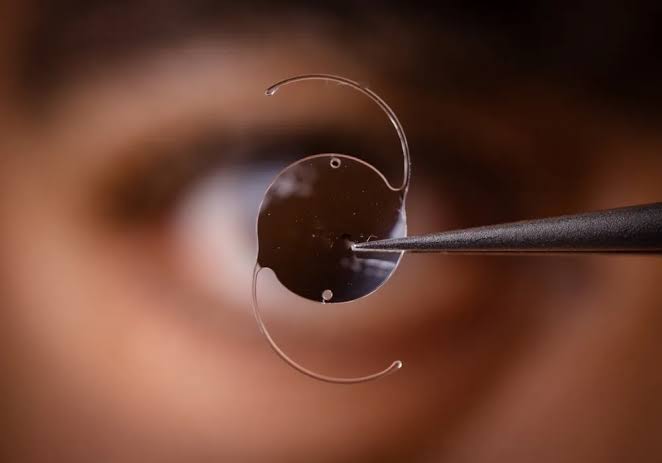
- Lens position: The artificial lens should stay centered, and the surgeon confirms it remains stable.
- Surface healing: The outer layer of the eye should close smoothly, and any delay gets noted for further review.
Reviewing these points at set intervals gives your surgeon a clear picture of your recovery.
Adjusting Medications and Care
After cataract surgery, your surgeon usually prescribes eye drops that reduce inflammation and lower the risk of infection. Follow-up visits give the care team a chance to review how your eye responds to these drops; the schedule may change based on their observations. When your eye heals as expected, the surgeon may reduce the frequency of certain medications over time. Your surgeon can also update your daily care instructions during these appointments, and clear guidance helps you avoid habits that slow recovery. You may receive advice on shielding the eye, limiting strenuous activity, or handling water around the face.
Protecting Long-term Vision
Follow-up care does not end after the first few weeks; later visits focus on the long-term quality of your vision. Your surgeon can measure how well you see at different distances, and this data helps determine whether you need updated glasses. Long-term appointments also give you a chance to ask questions about your vision. It is helpful to keep track of new observations between visits. Here are a few habits that can support your eyes between scheduled visits:
- Wear protective eyewear: Sunglasses shield the eyes from bright light and debris during daily activities.
- Attend every appointment: Consistent visits give your surgeon the full picture of your recovery.
- Report changes promptly: Contact your clinic if you notice new blurring, discomfort, or flashes of light.
Building these habits into your schedule keeps your eyes supported between formal check-ins, and it reinforces the work done during each visit.
Schedule Your Cataract Surgery Appointment
Taking care of your vision before and after cataract surgery is fundamental to achieving optimal outcomes. Understanding the surgery process, adhering to your care plan, and attending all follow-up appointments can support a smooth recovery and maintain long-term eye health. Contact a qualified eye specialist near you to schedule your cataract surgery appointment today.