
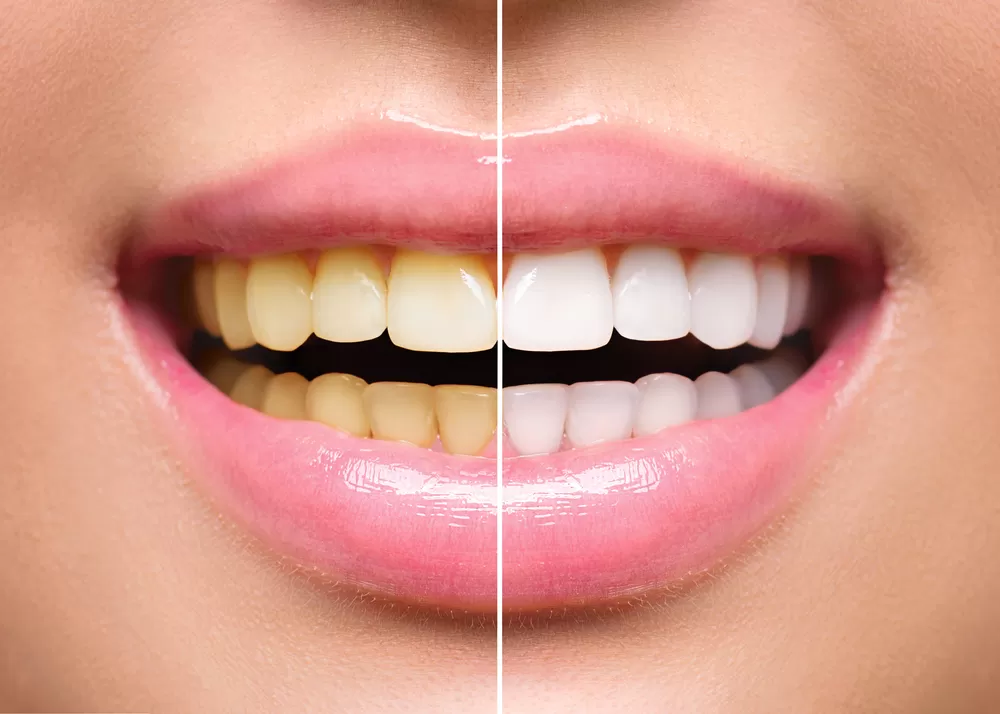
Many people wish to change how their teeth look; the goal can be a brighter shade, a straighter alignment, or the repair of a chipped edge. Cosmetic dentistry addresses these goals, utilizing a range of treatments focused on appearance. Understanding these options can help you prepare before meeting with a dental professional.
What Is Cosmetic Dentistry?
Cosmetic dentistry is a branch of dental care centered on the visual qualities of your teeth and smile. Rather than focusing only on function, it gives attention to the color, shape, size, and overall appearance of teeth. A dental provider working in this area evaluates features such as staining, spacing, uneven edges, and proportions; they can then recommend treatments suited to a patient’s goals.
Some procedures address a single tooth, while others reshape or brighten several teeth at once. Providers can review a patient’s oral health, and they will examine the teeth and gums. This approach allows each treatment to reflect the specific outcome a person hopes to achieve.
What Services Fall Under It?
Cosmetic dentistry includes a variety of procedures, each designed for a different concern. There are many common services in the field, and their level of involvement differs. These include:
- Teeth Whitening: This treatment lightens the shade of teeth using gels and trays. It targets discoloration and can produce a noticeably brighter appearance.
- Invisalign Aligners: These transparent plastic trays gradually shift teeth into a straighter position. They avoid brackets and wires to correct alignment.
- Bonding: A tooth-colored material is applied to repair minor issues such as small chips, gaps, rotations, or discoloration. This method restores both the shape and natural look of a tooth.
- Veneers: These are thin shells placed over the front surface of teeth. They help cover dullness, chips, gaps, and other surface flaws, creating a more uniform look.
- Crowns: A crown is a cap that fits over a tooth or over an artificial tooth attached to an implant. Crowns restore the form of teeth that are damaged or shaped irregularly.
- Bridges: A bridge fills the space left by one or more missing teeth. It holds artificial teeth in position, closing gaps along the dental arch.
- Implants: Implants are artificial teeth secured by metal roots placed into the jaw. They serve as replacements for teeth that are missing or have been removed, supporting a complete look.
Each of these services can be adapted to a patient’s needs, and a provider may recommend more than one to reach a desired result.
What Are the Benefits?
Patients pursue cosmetic dentistry for several reasons, and the outcomes vary by procedure. Common results include teeth that appear whiter, straighter, and more even in shape. Whitening addresses stains, while veneers and bonding refine surface flaws. Aligners and other alignment methods can correct crooked or crowded teeth over time. Beyond appearance, some treatments serve a restorative purpose. Crowns, bridges, and implants can replace teeth that are missing or damaged; this helps to close gaps and rebuild a fuller smile. A well-planned treatment may also make daily oral care more straightforward, since teeth that are properly aligned and shaped are often easier to clean.
Speak Further With a Dentist
Choosing a cosmetic treatment works best with guidance from a dental professional. During a consultation, a provider can examine your teeth, review your history, and explain which options align with your goals. Schedule an appointment with a dentist, and you may discuss the results you hope to achieve.