
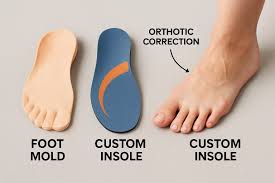
Discomfort or misalignment in the feet can affect posture, gait, and overall physical well-being. Many individuals experience foot-related issues stemming from genetics, injury, or the stress of daily activities. One approach to addressing these concerns is through the use of custom orthotics, which are specialized shoe inserts designed to support the unique structure of an individual’s feet. These devices help manage various foot conditions, aiming to provide support and promote proper foot function.
What Are Custom Orthotics?
Custom orthotics are prescription medical devices fabricated to match the specific contours of a person’s feet. Unlike over-the-counter shoe inserts, custom orthotics are created following a comprehensive evaluation by a podiatrist. This process involves a detailed assessment of your foot, ankle, and leg mechanics.
The creation of a custom orthotic begins with a precise, three-dimensional impression of each foot. This information is then used to manufacture a device from materials selected to meet the patient’s specific needs, whether that is cushioning, stability, or motion control. The objective is to provide support that corrects alignment and improves function during activities like standing, walking, or running.
What Are the Types?
Custom orthotics are generally categorized into two main types: functional and accommodative. Functional orthotics are crafted from semi-rigid or rigid materials, such as plastic or carbon fiber. Their primary purpose is to control abnormal motion and provide stability to the foot. By correcting biomechanical irregularities, these devices can influence the function of the foot. Functional orthotics are often prescribed to address issues related to gait abnormalities and to manage discomfort.
Accommodative orthotics are made from softer, more cushioned materials. The principal function of these devices is to provide support and pressure relief. They are designed to “accommodate” foot deformities, such as diabetic foot ulcers. These softer orthotics are intended to absorb shock and reduce shear forces on the foot, making them a suitable option for individuals who require extra cushioning.
What Should You Expect?
Receiving custom orthotics involves a process that extends beyond the initial fitting. There is typically an adjustment period as your feet and body adapt to the new support and alignment. A healthcare provider may recommend wearing the orthotics for a few hours each day at first, gradually increasing the duration over several weeks. This allows you to get used to the change in biomechanics.
Mild discomfort during this initial phase is not uncommon, but persistent pain should be reported to your podiatrist. Follow-up appointments may be scheduled to assess your progress and make any necessary adjustments to the orthotics. The lifespan of a custom orthotic varies based on the materials used, your activity level, and your body weight. With proper care, they can last for several years. It is recommended to have them periodically checked by your provider to verify they are still providing the intended support.
Confer With a Podiatrist
An evaluation with a podiatrist can determine the underlying cause of your foot discomfort and establish whether custom orthotics are a suitable part of a management plan. If custom orthotics are recommended, the podiatrist will oversee the entire process, from taking the foot impressions to the final fitting and follow-up care. This professional guidance helps to make sure the devices are fabricated correctly and are appropriate for your specific structural and functional needs.