
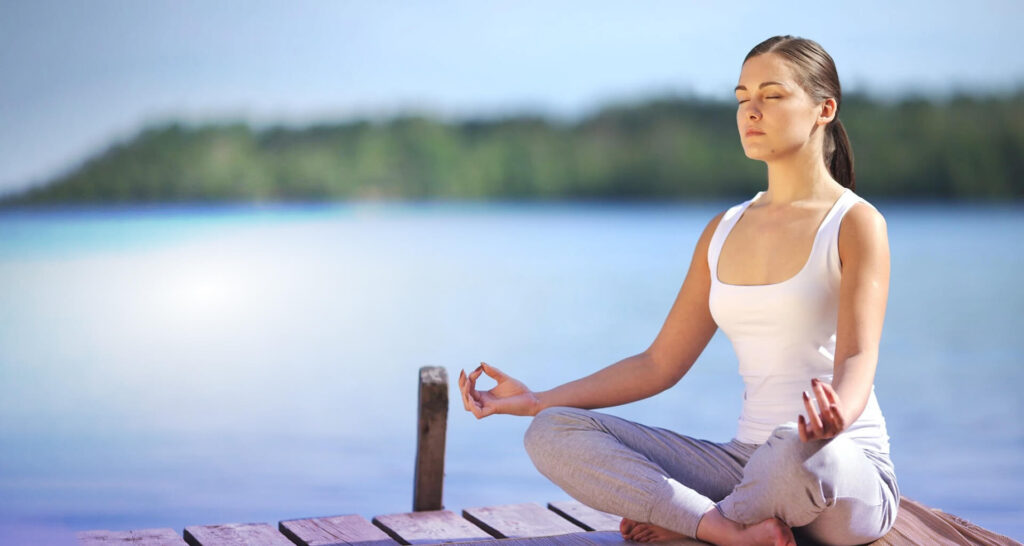
Anxiety interrupts daily life for some individuals. Symptoms can feel overwhelming, and mindfulness practices provide a practical management strategy. Although anxiety feels permanent, there are treatment options. Mindfulness focuses your attention on the immediate present.
Understanding How Mindfulness Works
Mindfulness changes how the brain processes stress, helping create healthier responses. Anxiety often stems from future worries, but mindfulness grounds you in the current moment. You pay attention to what is happening, not what may happen later. As your focus shifts, the brain calms down, and physical tension decreases. This practice helps reduce anxious thoughts. Mindfulness does not require complex skills; practice strengthens its effects. If you track your thoughts and feelings often, you notice less automatic negative thinking.
This process allows for better emotional regulation, because you stop reacting without thinking. You observe your feelings objectively and let them pass. Sometimes, labeling your feelings makes them feel more manageable. When you detach from fear, anxiety loses power, and you regain control. Uncertainty is normal at first; small steps help. Regular self-awareness helps you spot patterns early and make changes before stress escalates. This cognitive shift is key to managing anxiety. It does not erase stress; it changes your reaction to stressful events. Many find that mindful awareness brings calm and control in challenging situations.
Using Practical Anxiety Techniques
Deep breathing exercises quickly regulate the nervous system. Practice body scanning or try guided imagery. When you focus on your breath, your mind clears, and your body relaxes. These methods require no special equipment. Practice at your desk or use these tools during a commute. If panic rises, deep breaths anchor you, and symptoms subside. Because consistent daily practice builds resilience, it prepares you for unexpected stressors. Progressive muscle relaxation (PMR) also reduces stress. This technique tenses and relaxes muscle groups from toes to head. Consciously releasing tension, PMR reduces physical stress and creates calm. It works well for those with muscle tightness or trouble sleeping. Like other strategies, PMR is more effective with regular practice. A few minutes each day noticeably improves how your body and mind respond to stress.
Integrating Professional Support Options
Self-care helps many individuals. Mindfulness supports professional treatment, and psychotherapy often incorporates these specific techniques into care plans. Some need additional support, and medication management offers stability. Therapists teach methods to address your unique anxiety triggers. They provide a safe space for practice and offer feedback on your progress. If symptoms are severe, therapy offers structure. Medication management helps balance brain chemistry. Managing anxiety does not require you to do it alone or without guidance. Combining professional services with daily mindfulness creates a strong defense against anxiety.
Take the Next Step
Reducing anxiety requires patience and consistent practice. Start small today or seek guidance from a qualified professional. If symptoms persist, contact your team for support. Your mental health matters, and effective tools are available to support your recovery. Your team will answer questions about treatment options. Schedule a consultation today. They offer psychotherapy and medication management to support your wellness.