
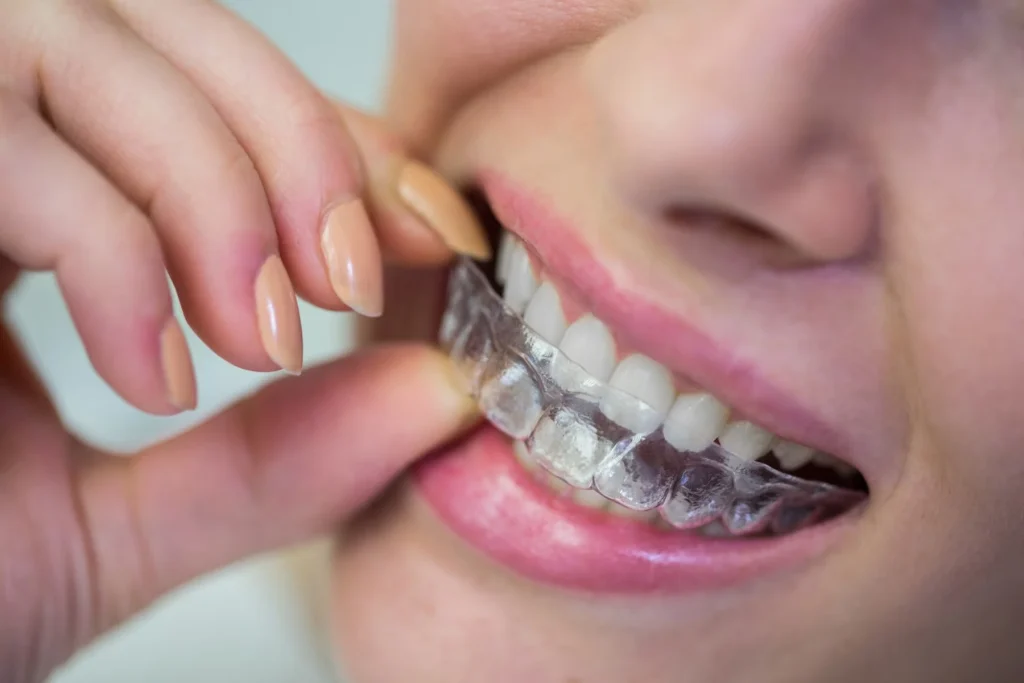
Correcting your teeth can improve your oral health. You have several options, and you should make an educated choice. Because alignment matters, you should know what options are available. Orthodontic treatment has evolved over the years, leading to the development of Invisalign.
Visibility and Aesthetics
Traditional braces consist of metal brackets and wires. These components are visible, so they change your smile’s appearance. Because they are noticeable, some adults seek alternatives. Invisalign uses clear plastic trays that fit over your teeth. These aligners are transparent, and most people will not notice them. Since they are subtle, you maintain your smile. Aesthetics are a major factor for many patients today. Adults often worry about their professional image at work. Metal braces might distract others during a presentation or meeting. Clear aligners let you focus on your tasks without distractions. You can also remove them for a special event. This flexibility appeals to many patients with active social lives. Teenagers also appreciate the discrete nature of clear plastic trays. Subtlety remains when dental appliances are nearly invisible.
Daily Care and Invisalign
Oral hygiene is important during your treatment, and you must brush your teeth to prevent tooth decay. When you wear braces, food can get trapped, and plaque may build up. You need special tools to floss between the wires and brackets. Because cleaning takes time, be patient and thorough. Neglecting hygiene may lead to staining or other dental issues. Clear aligners offer a different maintenance experience. You remove the trays when you eat or drink anything but water. Since the trays are removable, you can easily brush and floss. You must clean the trays before you put them back in.
If you trap sugar, cavities may form, and your teeth may suffer. Practical habits keep your treatment on track. You must also clean your aligner storage case regularly. If you ignore it, bacteria might grow inside the case. Rinse the case with warm water every morning and night. Broken wires on braces often require an emergency office visit. Aligners do not have wires that can snap or poke. You simply switch to the next tray if one cracks or breaks. Always carry a toothbrush for cleaning after lunch. Good habits can prevent odors, and they keep your breath fresh.
Comfort and Treatment Duration
Comfort levels vary between these two orthodontic methods. Because metal brackets can irritate the soft tissue inside your cheeks, you may also feel pain. Because the metal is rigid, you may feel soreness, and wax helps. Adjustments to the wires can also temporarily put pressure on your teeth. Clear Invisalign aligners are made of smooth plastic that fits snugly. When you change trays, you feel pressure, but it fades quickly. Your speech may change slightly as you start wearing aligners. Your tongue adapts to the plastic shape in a few days. Braces can snag on your lips, and some can require bands. Aligners are smooth, so they do not cut your mouth or gums. Athletes should think about how appliances affect their safety while playing.
Take the Next Step
Your smile goals are important. Since every mouth is unique, your plan should be too. You should have a smile that functions well and looks great. Orthodontic care is an investment in your long-term health. Contact your provider when ready, and create a new smile today.