
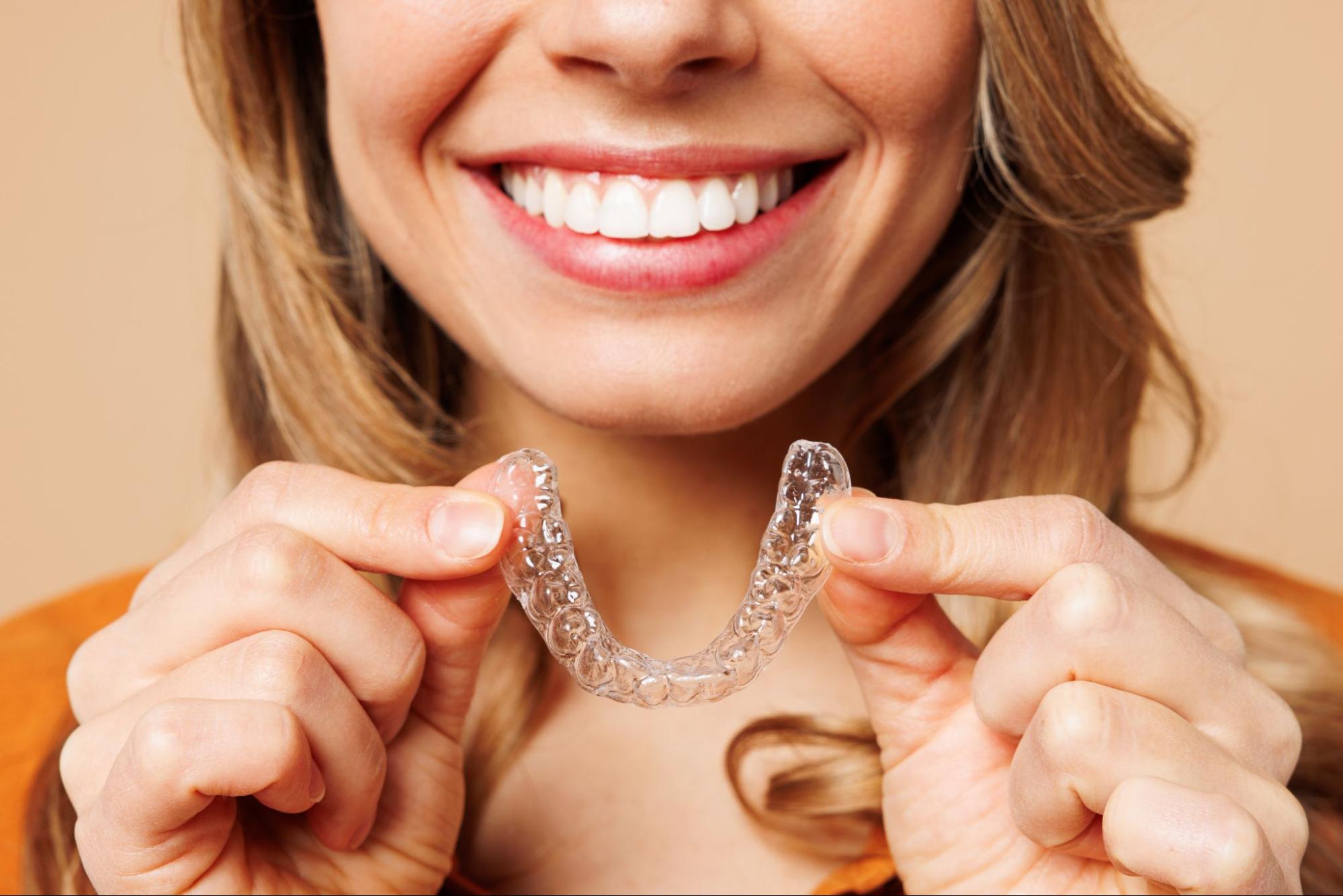
Orthodontic treatment often represents a significant investment of time and money, making the retention phase a key part of maintaining results. Retainers hold teeth in their corrected positions after braces come off. Like any dental appliance, these devices experience wear and tear over time. Recognizing specific indicators of degradation helps patients maintain their smile. Regular inspections of the appliance can reveal when a replacement is necessary.
What Are Signs Of Damage?
Daily use exposes the material to significant stress, which can lead to visible cracks or fractures. Inspecting retainers under a bright light often reveals small fissures that might otherwise go unnoticed. Small cracks can quickly expand, reducing the structural integrity of the plastic or wire. A damaged appliance may lose its ability to hold teeth firmly in place.
Watch for these specific physical changes:
- Small cracks in the plastic body
- White spots on the plastic indicate stress
- Loose or broken wires
- Warped plastic that feels different
Cracks provide spaces for bacteria and plaque to accumulate, making cleaning difficult. Bacteria buildup often leads to unpleasant odors that regular cleaning cannot remove. If calcium deposits or tartar harden on the surface, the texture changes significantly. This buildup can irritate gums and soft tissues in the mouth.
How Does Fit Change?
A proper fit feels snug but comfortable against the teeth and roof of the mouth. Over time, the materials may stretch or warp, altering how the device sits in the oral cavity. Users might notice the appliance feels loose or slides around easily. If the device falls out during sleep, it no longer provides adequate retention.
Be aware of these fit-related issues:
- The appliance feels loose on the teeth
- Pressure points cause gum soreness
- Gaps appear between the plastic and the teeth
- The device requires force to seat correctly
Changes in fit sometimes happen if users expose the plastic to high heat. Hot water or leaving the case in a hot car can warp the shape permanently. Even slight warping prevents the appliance from exerting the correct pressure on teeth. If teeth begin to shift, the old device will feel tight or painful.
When Should Replacement Happen?
Durability varies depending on the type of appliance and the patient’s habits. Hawley retainers, made of wire and acrylic, often last for several years with proper care. Clear plastic aligners typically have a shorter lifespan due to their material composition. Many orthodontists suggest replacing clear versions every six to twelve months. Regular grinding of teeth at night accelerates wear on all types of devices.
Patients who lose their device need an immediate replacement to prevent relapse. Waiting even a few weeks can allow teeth to move back toward their original positions. A replacement is necessary if the current one causes any pain or discomfort. Worn-out materials lose their effectiveness long before they break completely. Monitoring the condition of the appliance helps avoid unexpected failures.
Get Retainers Checked
Regular dental checkups provide the perfect opportunity for a professional to examine your appliance for wear patterns or structural weaknesses you might miss. During these visits, your dentist can verify that the device still supports your teeth’s alignment effectively and provide a professional cleaning to remove stubborn buildup. If you notice any cracks or a change in how the device fits, you should contact your orthodontist immediately for an evaluation. Bringing your retainer to every appointment allows for consistent monitoring. Replacing a worn device promptly is the best way to safeguard your long-term orthodontic investment.