
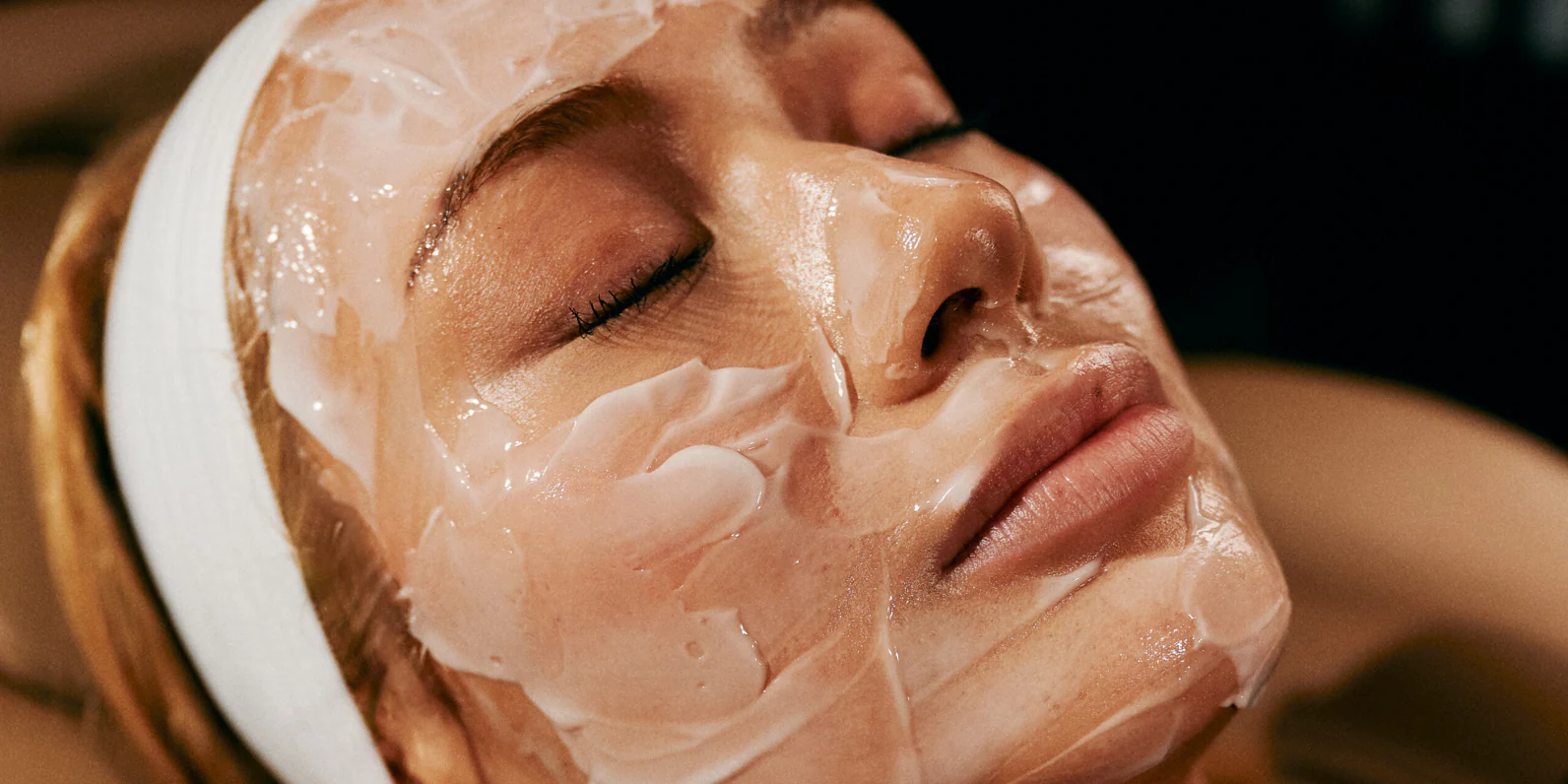
Aesthetics is shaping how treatments are developed, delivered, and personalized for different skin goals. What once centered on basic cleansing and moisturization has expanded into advanced clinical approaches, targeted ingredients, and noninvasive procedures. Here’s a closer look at the evolution of aesthetics in skincare:
Tracing Beauty Standards
In ancient civilizations, specific physical traits were prized, prompting people to use available natural resources to emulate them. In ancient Egypt, men and women used oils and creams to protect their skin from the harsh sun and to appear youthful, as youth was associated with divinity. They used ingredients such as honey, milk, and olive oil, which are still recognized today for their moisturizing properties.
As the Renaissance period progressed, a pale complexion became a symbol of wealth and status, indicating that a person did not have to work outdoors. To achieve this look, people often used dangerous mixtures containing lead or arsenic to whiten their faces. The Victorian era later shifted toward a more natural and modest aesthetic; the focus turned to hygiene and a clear complexion as a sign of moral purity.
In the 20th century, the rise of cinema and photography drastically altered skincare aesthetics again. The camera captured every detail, creating a demand for flawless skin that looked good under bright lights. This era saw the emergence of the modern cosmetics industry and the early development of medical aesthetics, including chemical peels and early forms of plastic surgery. The focus shifted from merely hiding imperfections to actively correcting them.
Exploring Science and Technology
The transition from traditional remedies to modern clinical aesthetics occurred when science began to decode the biology of the skin. Researchers began to understand how skin cells function, how collagen is produced, and what causes aging at the cellular level. Here are key factors that revolutionized the field of aesthetics:
- Active Ingredients: The discovery of retinoids and alpha-hydroxy acids (AHAs) enabled the scientific acceleration of cell turnover and improvement in skin texture.
- Laser Technology: The invention of lasers allowed practitioners to treat specific skin concerns such as pigmentation, redness, and wrinkles without damaging surrounding tissue.
- Injectables: The introduction of neuromodulators and dermal fillers offered non-surgical options to smooth lines and restore volume.
- Medical-Grade Skincare: The development of cosmeceuticals bridged the gap between prescription drugs and over-the-counter cosmetics.
These advancements shifted the industry away from concealing flaws toward repairing and regenerating the skin.
Defining Good Skin
Today, the dominant philosophy in aesthetics is often referred to as the natural look. Rather than striving for artificial perfection or completely altering one’s appearance, modern aesthetic treatments aim to enhance natural features and maintain skin health. This shift is characterized by a few fundamental principles:
- Prevention: Patients now seek treatments to prevent wrinkles and loss of elasticity before they become severe.
- Customization: There is no one-size-fits-all approach; treatments are highly tailored to an individual’s unique anatomy, skin type, and genetic background.
- Holistic Wellness: Skincare is viewed as part of overall health, with an emphasis on how diet, stress, and lifestyle affect the skin’s appearance.
- Transparency: Consumers are more educated than ever and demand to know the science behind the ingredients and technologies being used on their bodies.
This modern approach relies heavily on the expertise of medical professionals who understand the intricate balance of facial anatomy.
Schedule Your Aesthetics Appointment Today
The evolution of skincare has moved from ancient rituals to high-tech science, but the goal remains the same: healthy, confident skin. For individuals seeking preventive care or corrective treatments, gaining insight into the history and current standards of aesthetics helps to make well-informed decisions. To explore how aesthetic treatments can benefit you, contact a reputable medical spa near you to schedule your consultation today.