
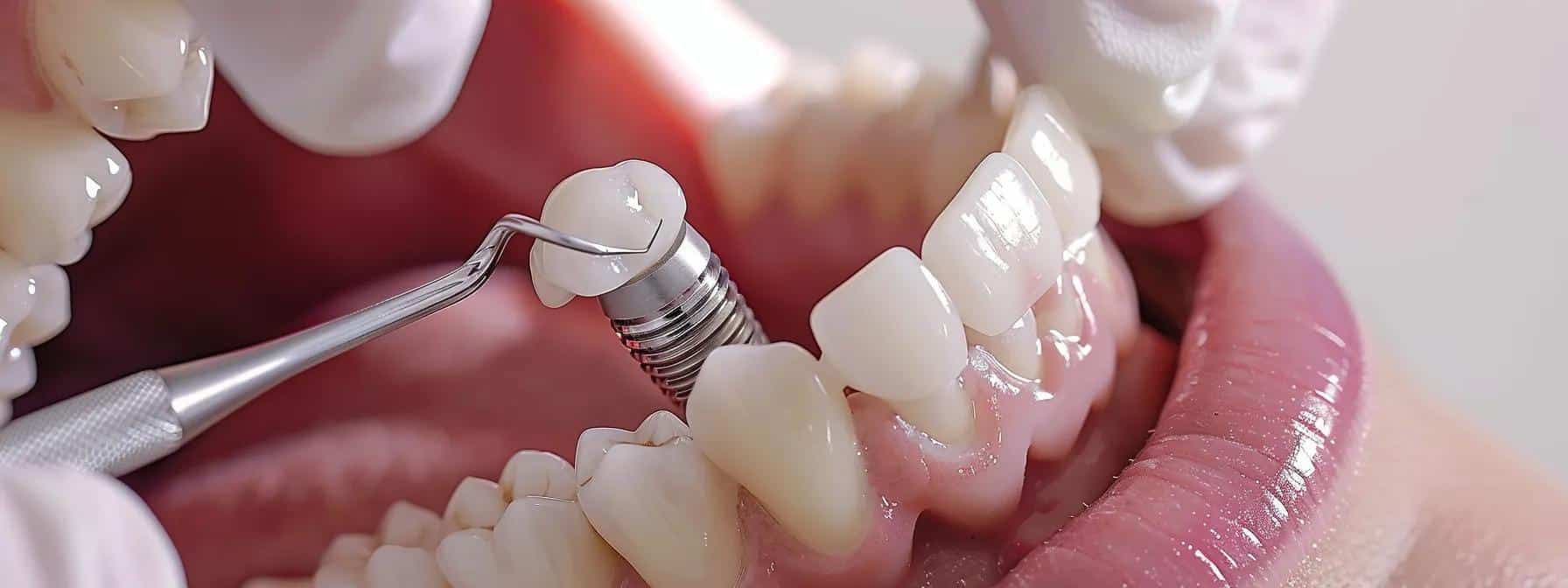
Dental implants are a long-term tooth replacement option designed to restore function, comfort, and a natural-looking smile. Dental implants are placed in the jawbone and act as a stable foundation for a crown, bridge, or denture. Here’s what to expect during the process of getting implants:
Planning Your First Visit
The initial phase of dental implants begins with a comprehensive consultation at the dental office. Your dentist discusses your desired outcome and reviews your complete oral health history with you. The dental team usually takes dental X-rays or 3D scans during this visit. These images enable the dentist to examine your teeth and gums and assess the density of the jawbone. Sufficient bone volume is key because the implant needs a solid foundation to remain stable.
Based on the examination and imaging, the dentist creates a personalized cosmetic dental plan that is best for you. This plan specifies the number of implants required and the type of artificial teeth to be attached. It also provides a timeline for the various procedures.
Preparing for Implant Placement
Some patients require further procedures before the actual implant surgery can take place. These steps make sure that the mouth is healthy enough to support the tooth implant. Here are some of them:
- Bone Grafting: If you don’t have enough jawbone to support dental implants, you may need a bone grafting procedure.
- Tooth Extraction: A damaged or decayed tooth may require removal to create space for the new restoration.
- Periodontal Therapy: Gum disease can jeopardize the success of an implant, so the dentist treats active infections before surgery.
- Medical Clearance: Patients with certain chronic conditions may require clearance from their primary care physician.
These preparatory measures create an optimal environment for the placement of dental implants. Also, they reduce the risk of complications during the later stages of treatment.
Healing After Implant Surgery
The surgical placement of the implant is the next major step in the process. The implant dentistry team numbs the treatment area to prevent discomfort during the procedure. In some cases, sedation is used to help the patient relax. The dentist makes a small incision in the gum to expose the bone underneath.
The dentist then inserts the dental implants into your jawbone with high precision. Once the implant is in place, the gum is stitched closed over it. A period of healing follows surgery; this phase is known as osseointegration. The bone grows around the implants, securing them in place during this period. Osseointegration can take several months, and you may wear a temporary tooth while waiting.
Maintaining Long-Term Results
After the implants heal and osseointegration is complete, the restorative phase begins. This stage involves creating and attaching the visible part of the tooth replacement. Here is what you can expect:
- Abutment Placement: A small connector piece called an abutment is attached to the top of the implant.
- Digital Scanning: Your dentist digitally scans your mouth, enabling a dental lab to fabricate custom-fitted crowns, bridges, or dentures.
- Restoration Attachment: When your new teeth are ready, they are securely attached to the implants.
- Daily Hygiene: You must take good care of your new dental implants by flossing every day and brushing your teeth after meals.
- Routine Checkups: See the team every six months for dental exams and cleanings.
These final steps make sure your new teeth fit properly and comfortably.
Schedule Your Dental Implants Consultation
Dental implants offer a reliable solution for restoring missing teeth and improving oral health and well-being. The process involves multiple stages, but the outcome includes clearer speech and easier chewing. Patients achieve strong, durable teeth that can last a lifetime when properly cared for. Contact a qualified implant dentist near you to schedule your tooth implant consultation today.