
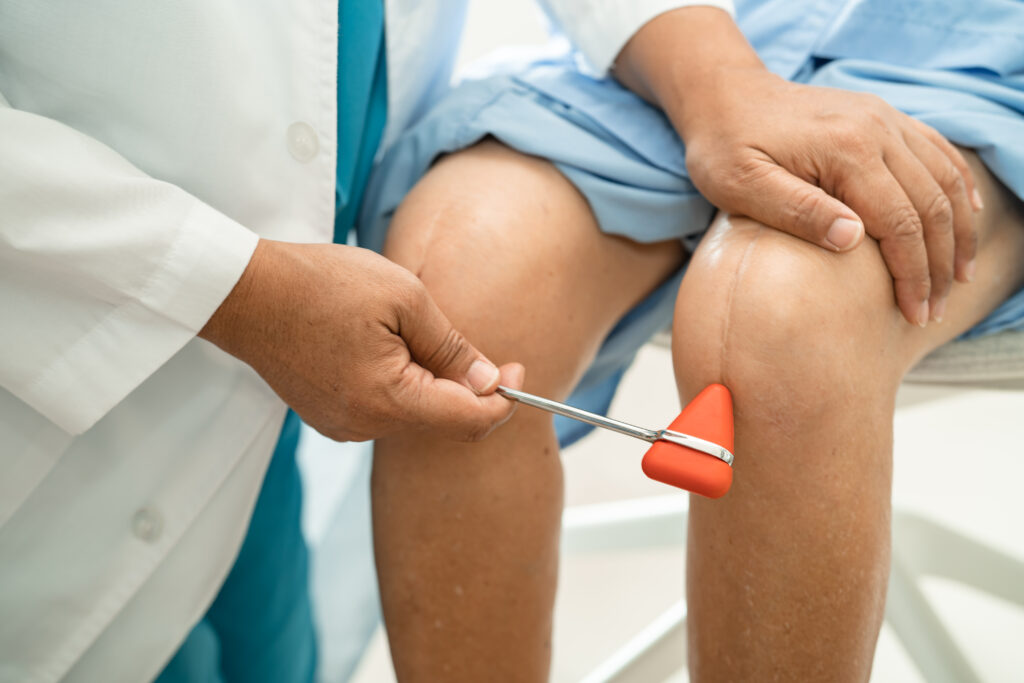
Knee replacement surgery can restore mobility and lessen chronic pain. Knowing what to expect before, during, and after the procedure helps you prepare. Here is some information to help you prepare for a knee replacement procedure.
Understanding the Procedure
Knee replacement surgery removes damaged cartilage and bone from the knee joint, replacing them with artificial components. Surgeons may perform a partial replacement, where only part of the knee is replaced, or a total replacement, involving the entire joint, depending on the extent of the damage. The surgery typically lasts 1 to 2 hours and is performed under either general or spinal anesthesia. This procedure is commonly used for those experiencing severe pain or mobility issues caused by arthritis or injury.
Your orthopedic surgeon will determine the best knee replacement type for your condition. A clear understanding of the procedure reduces worry and readies you for recovery. Ask questions at your pre-operative appointments to be well-informed. Preparation and knowledge may significantly improve your surgical experience.
Preparing Your Home
Preparing your home before surgery makes your recovery period more comfortable. It may be helpful to make a few adjustments to get your home ready:
- Remove tripping hazards: Clear pathways of loose rugs, electrical cords, and clutter.
- Install safety equipment: Add grab bars in the bathroom and use a shower chair.
- Arrange furniture: Have a clear path to move around with a walker or crutches.
- Prepare a recovery space: Set up a comfortable area on the ground floor if your bedroom is upstairs.
- Stock supplies: Purchase items such as ice packs, bandages, and easy-to-prepare meals.
Having these preparations in place before your surgery will help you to focus on healing once you return home.
Planning for Recovery
Recovery from knee replacement surgery takes time and patience. Most people stay in the hospital for one to three days. Arrange for someone to drive you home and stay with you for the first few days. You will need help with daily tasks like cooking and cleaning. Physical therapy starts soon after your procedure and continues for several weeks or months.
Your healthcare team will give you specific instructions for wound care, pain management, and physical therapy exercises. Following these guidelines carefully aids your healing process. This helps you regain strength and mobility in your new knee.
Recovering After Surgery
Pain and swelling are normal after knee replacement surgery. Your doctor will prescribe medication to help manage this discomfort. Reduce swelling by applying ice and elevating your leg regularly. Following these simple steps greatly improves your comfort.
Physical therapy plays a significant role in your recovery journey after surgery. Your therapist will guide you through exercises to improve your knee’s range of motion and strengthen surrounding muscles. Consistent participation in these sessions helps achieve the best outcome.
Most people return to light activities within 3 to 6 weeks as they heal. Know that full recovery can take several months. Your surgeon will provide clear guidance on when you can safely resume activities like driving, working, and exercising.
Get Knee Replacement Surgery
Preparing for surgery involves medical, physical, and logistical planning. Taking time to understand the procedure, prepare your home, and arrange for support during recovery helps create a smoother experience. If you have questions or concerns, talk with your healthcare team. They are available to provide guidance and support throughout your journey.