
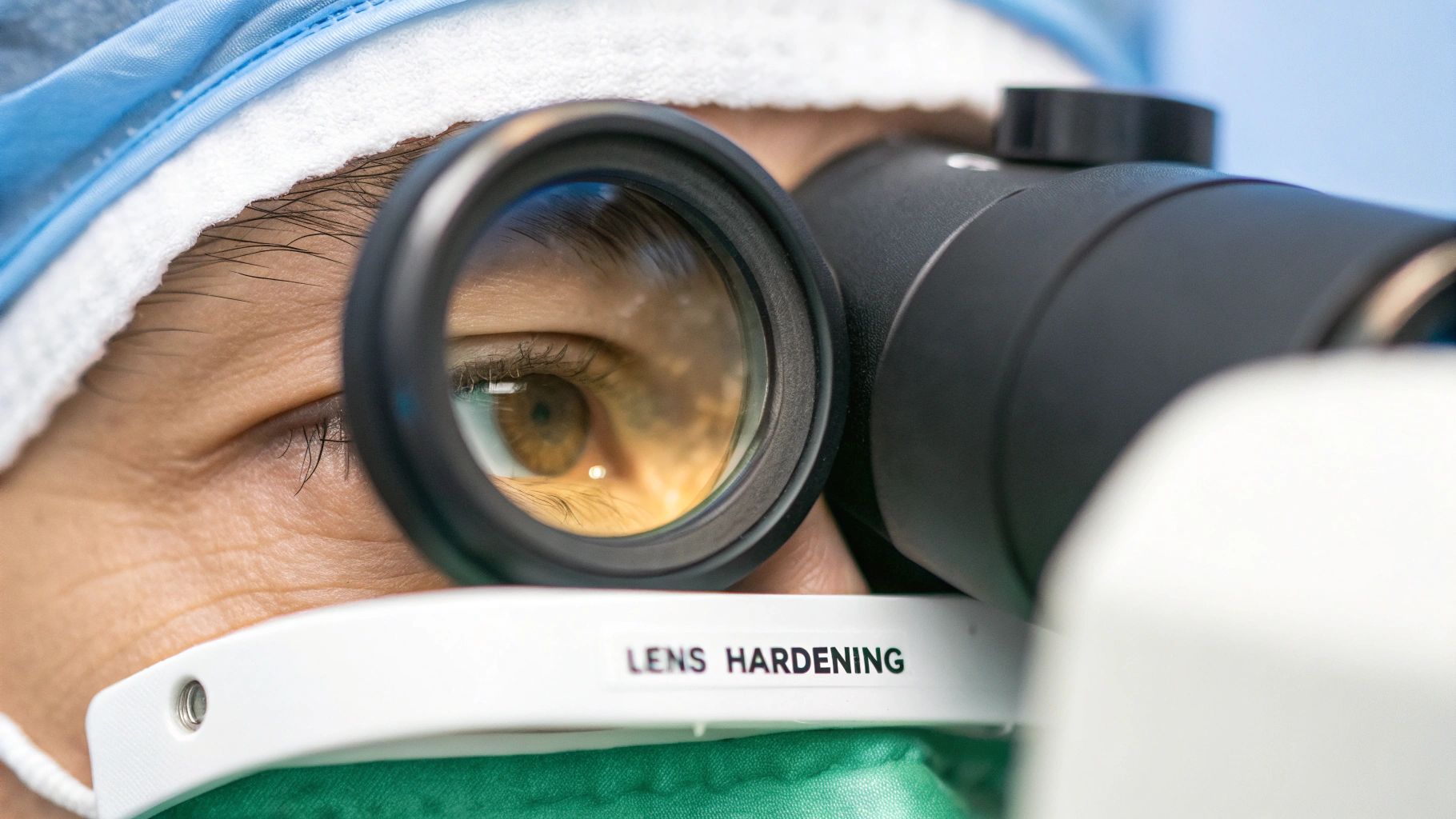
Cataracts develop when the eye’s natural lens becomes cloudy, blocking light from reaching the retina. These visual problems are common in older adults, but they can also develop earlier due to diabetes, UV exposure, or injury. While symptoms often present gradually, knowing the signs to watch for helps determine when you need surgical evaluation. Here are some signs that indicate it’s time to think about cataract surgery:
Blurred or Cloudy Vision
The eye’s lens focuses light onto the retina to produce sharp, clear images. When you have cataracts, the proteins and fibers in the lens break down, causing it to scatter light instead of directing it in a focused way. Light scattering prevents a clear image from reaching your retina, and it results in blurred or cloudy vision.
Blurring sometimes starts in one part of the lens and slowly spreads. You may not notice the changes initially, but as the problem escalates, colors begin to look dull, and text appears less defined. Objects start to lose sharpness, and edges appear less defined even under good lighting. If your blurry vision results from cataracts, glasses or contact lenses may provide temporary help. An eye doctor confirms the condition with a thorough examination and advises whether cataract surgery is the right course of action.
Increased Light Sensitivity
A healthy lens directs light straight to the back of the eye in a clean, focused path. A cloudy lens breaks that light apart, sending it in different directions inside the eye. This results in reduced image contrast and increased unwanted light diffusion across the visual field.
Scattered light produces glare, a visual disturbance that occurs when bright light overpowers the eye’s ability to process it clearly. Halos appear as rings around light sources, and they are a direct optical effect of this internal scattering. Both symptoms are common in bright sunlight and around artificial light sources like streetlamps, oncoming headlights, or fluorescent ceiling fixtures. You may also notice that reflective surfaces, such as polished floors or wet roads, cause significant visual discomfort.
As the cataracts progress and the degree of scattering increases, photophobia sometimes develops. This is a sensitivity to light resulting in difficulties reading near a window, working comfortably under overhead lighting, or spending time outdoors. Photophobia may manifest in the form of frequent squinting and headaches. Visual discomfort and watery eyes are also possible.
Frequent Prescription Changes
Needing new glasses every few months can signal that it’s the right time to think about cataract surgery. In adults, refractive errors typically stabilize once the eyes have fully matured. Under normal conditions, the cornea and lens work together to focus light and maintain a consistent optical balance. Cataracts disrupt this balance by changing the density and refractive index of the lens over time. As the lens structure changes, its ability to bend light accurately shifts, causing fluctuations in refractive error that aren’t due to changes in the cornea.
Difficulty Seeing at Night
Low-light vision depends on the eye’s ability to gather and process limited available light. Healthy eyes adjust to low-light conditions through pupil dilation and activation of rod photoreceptors. When you have cataracts, the cloudy lens reduces the amount and quality of light that reaches the back of the eye. This may cause you to experience weaker, less reliable vision in dark or dimly lit environments.
Difficulty seeing at night often manifests when driving. Oncoming headlights tend to appear to streak, bloom, or produce a starburst effect. You may also notice road signs becoming harder to read, and the contrast between objects and their surroundings sometimes decreases.
Schedule a Cataract Surgery Evaluation
The right time to think about cataract surgery is when vision changes start affecting your daily functions. Eye specialists use advanced diagnostic and imaging tools to get a clear picture of lens opacity and its functional impact. When professionally done, this vision correction surgery can restore clarity to your vision within a short recovery period. Consult a reputable eye clinic for a thorough eye checkup, and determine whether you are an ideal candidate for cataract surgery.