
When chronic knee pain or joint damage makes everyday activities difficult, a knee replacement offers the relief and mobility you need. This surgical procedure replaces the damaged parts of the knee joint with artificial components designed to restore movement and reduce pain. Understanding what to expect during a knee joint replacement surgery helps patients feel prepared and informed about their treatment and recovery journey.
Overview of Knee Replacement Surgery
Knee replacement surgery is a procedure that removes damaged parts of the bones inside your knee. These parts are then replaced with artificial components called prostheses. The primary goal of a knee joint replacement is to relieve pain and improve mobility. This surgery is often recommended for individuals with severe joint damage from conditions like osteoarthritis or significant trauma.
There are two main types of knee joint replacements. A total knee replacement substitutes all the bones in the joint, while a partial knee replacement substitutes only one side of the knee. Your surgeon will determine the most suitable approach based on the extent of the damage to your knee joint.
Pre-Surgery Preparations
Proper preparation before surgery can improve outcomes and facilitate a smooth recovery. Here are key steps to take prior to your procedure:
- Schedule a preoperative consultation to discuss your medical history, current medications, and any necessary testing with your healthcare provider.
- Address lifestyle factors by ceasing smoking and reducing alcohol consumption, as these can affect healing and recovery.
- Arrange your home environment to promote accessibility and safety, including acquiring required mobility aids.
- Follow pre-surgery instructions, such as fasting if needed, and take or avoid medications as directed by your surgeon.
Adhering to these preparation steps physically and mentally prepares you for surgery, potentially enhancing your overall recovery experience.
Surgical Procedure Overview
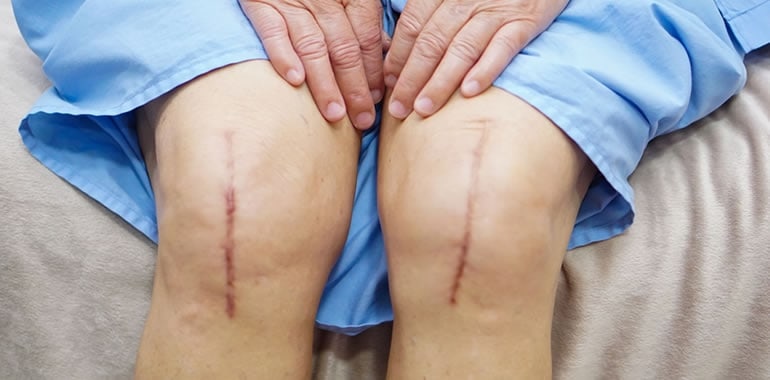
Knee replacement surgery is performed under general anesthesia. The surgical team will begin by cleaning the knee area with an antiseptic solution to prevent infection. Your surgeon will then make an incision over the joint to access the underlying bones, including the patella (kneecap).
The surgeon moves the patella aside to reveal the end of the femur (thigh bone) and the top of the tibia (shin bone). The damaged cartilage and bone are gently removed, and the remaining bone is reshaped to fit the prosthesis. Once the damaged cartilage and bone are removed, the metallic prosthetic components are fitted onto the prepared bones. A plastic spacer is placed between the new components to allow them to glide smoothly. The surgeon ends the procedure by closing the incision with sutures.
Recovery and Rehabilitation
Recovery begins immediately after the procedure. Before the incision is closed, your surgeon will move your knee through a range of motions to make sure the new joint is stable. After a brief hospital stay, you will be discharged to continue your recovery at home. Physical therapy is a fundamental component of your rehabilitation. A therapist will guide you through exercises designed to restore your knee’s strength and mobility. Following your rehabilitation plan diligently will help you regain function and get back to your daily activities more effectively.
Book Your Knee Replacement Appointment
Understanding the knee replacement process can help you feel informed about your treatment. This procedure helps individuals find relief from chronic knee pain and regain an active lifestyle. If you are struggling with knee pain, contact a qualified orthopedic surgeon near you to book your appointment and discuss whether a knee joint replacement is the right choice for you.