
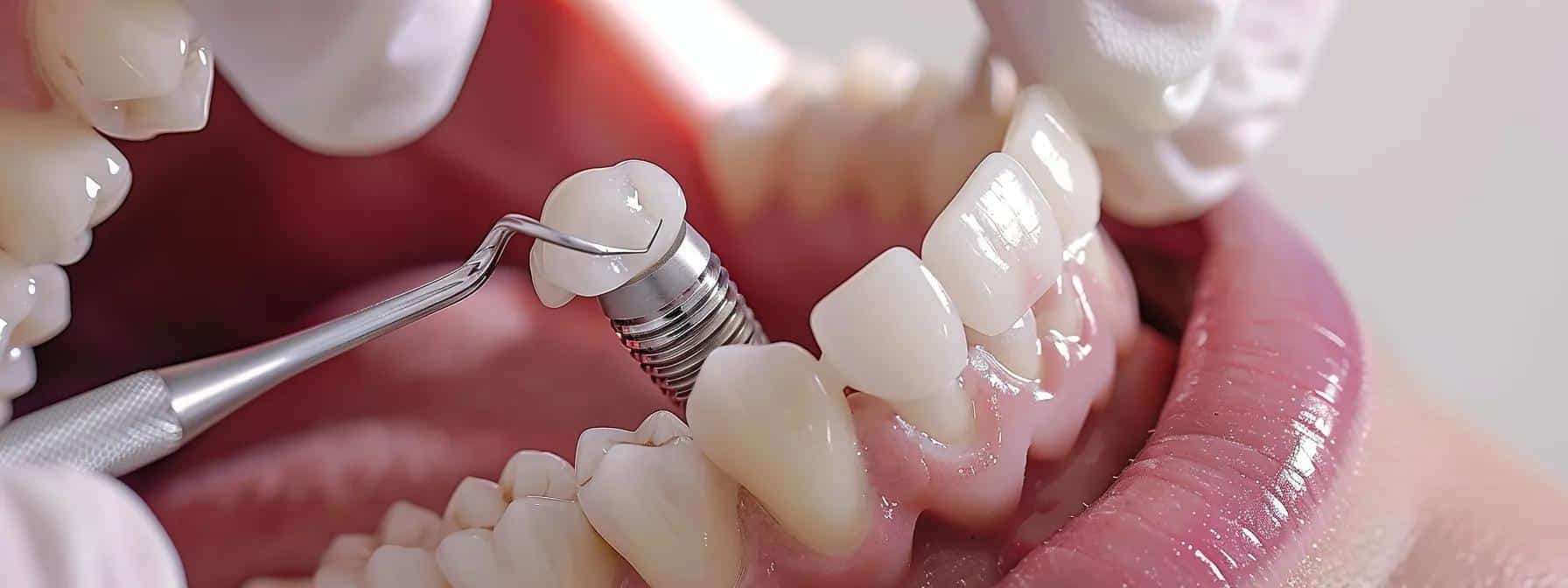
Dental implants represent a common method for tooth replacement, offering a foundation for fixed or removable replacement teeth that are made to match a person’s natural teeth. The durability and longevity of these implants may be topics of discussion for individuals exploring tooth replacement options. While many factors contribute to their lifespan, understanding the composition of implants and the procedures involved provides insight into their potential for long-term function. A well-maintained implant can last for many years, often for the lifetime of the patient.
What Are Dental Implants?
Dental implants are surgical components that interface with the bone of the jaw or skull to support a dental prosthesis such as a crown, bridge, denture, or facial prosthesis. It acts as a replacement for the root of a missing tooth. The implant itself is typically a small post made of titanium, a biocompatible material that is well-accepted by the human body. This allows the implant to fuse with the jawbone in a process called osseointegration.
Once the implant has integrated with the bone, it serves as a sturdy anchor for a replacement tooth. An abutment, which is a small connector piece, is attached to the top of the implant post. This abutment holds and supports the custom-made crown. The crown is the part of the tooth that is visible above the gum line and is crafted to match the color, shape, and size of your existing teeth for a natural appearance. Its entire structure functions much like a natural tooth, from the root below the gum line to the visible crown.
What Does the Process Involve?
The dental implant procedure is a multi-step process that typically occurs over several months. The initial stage involves a comprehensive dental evaluation, which includes X-rays and 3D imaging to assess the condition of your jawbone and to create a detailed treatment plan. This plan is tailored to the specific needs of the individual.
The next step is the placement of the dental implant. During this surgical procedure, the titanium post is inserted into the jawbone where the tooth is missing. This osseointegration process is fundamental to the stability and success of the implant. After the implant has bonded with the jawbone, the abutment is placed. The abutment is attached during the initial implant surgery. The final step is the placement of this crown onto the abutment, which completes the restoration.
What Are the Benefits?
Dental implants offer several functional and aesthetic advantages. Because they are designed to fuse with bone, they become stable and secure. This stability allows for comfortable chewing and speaking, without the slipping that can sometimes occur with dentures. They function like your own teeth, allowing you to eat your favorite foods without reservation. The duration of an implant’s performance can vary, and many individuals experience long-term use that extends over many years. Daily cleaning of the implant area and attending regular dental appointments play a role in supporting the implant over time. Implants are designed with longevity in mind.
Speak Further With Your Dentist
Routine check-ups allow a dentist to monitor the implant, the abutment, and the crown, as well as the health of the surrounding gums and bone. A dental professional can provide specific guidance on how to care for your implant to support its long-term success. Discussing your individual circumstances and oral health with your dentist will provide you with a clearer understanding of what to expect from a dental implant over time.