
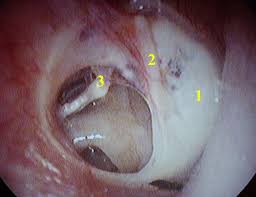
Ear pain, sudden hearing loss, or a feeling of fullness in the ear can sometimes signal a more serious issue. These symptoms may indicate an eardrum perforation. This condition occurs when a hole or tear forms in the thin membrane that separates the outer ear from the middle ear. Understanding the causes and symptoms of eardrum rupture enables patients to recognize warning signs and seek timely treatment.
What Is an Eardrum Perforation?
An eardrum perforation is a hole or tear in the tympanic membrane, the thin tissue that separates the outer ear canal from the middle ear. This membrane plays a key role in hearing by vibrating when sound waves strike it. These vibrations are then transmitted to the small bones in the middle ear.. A perforation disrupts this process and may also leave the middle ear vulnerable to infections.
What Causes an Eardrum Rupture?
Several factors can lead to an eardrum rupture. Being aware of these causes helps in taking preventive measures to protect your hearing. Here are some common causes:
- Middle Ear Infections: Otitis media, or a middle ear infection, is a frequent cause of eardrum perforation. When fluid builds up behind the eardrum due to an infection, the pressure can become intense enough to cause a tear in the membrane.
- Barotrauma: This refers to the stress exerted on the eardrum when the air pressure in the middle ear and the pressure in the surrounding environment are out of balance. Rapid changes in pressure can lead to barotrauma and a ruptured eardrum.
- Acoustic Trauma: Exposure to a sudden, extremely loud noise, like an explosion or blast, can create a powerful sound wave that tears the eardrum.
- Direct Injury: Inserting foreign objects, such as cotton swabs or bobby pins, too far into the ear canal can puncture the eardrum. Severe head trauma can also cause dislocation or fracture of the middle ear structures, resulting in an eardrum rupture.
These causes highlight the need to protect the ears from physical trauma, loud noises, and improper handling to minimize the risk of eardrum perforation.
How To Recognize the Symptoms?
The signs of an eardrum perforation can sometimes be mistaken for other ear conditions. Promptly recognizing the symptoms is beneficial for getting an accurate diagnosis. Common symptoms associated with an eardrum rupture include:
- Sharp ear pain that may subside quickly after the rupture.
- Clear, pus-filled, or bloody drainage from the ear.
- Hearing loss or muffled hearing.
- Tinnitus, a ringing or buzzing sound in the ear.
- Vertigo, a spinning sensation that causes nausea or vomiting.
If you experience these symptoms, a medical evaluation is recommended to confirm the diagnosis and determine the cause. A doctor can identify an eardrum perforation through a visual inspection of the ear.
What Are the Treatment Options?
Many cases of eardrum perforation heal on their own within a few weeks without any intervention. During the healing period, it is helpful to keep the ear dry to prevent infection. You should also avoid blowing your nose forcefully, as the pressure can interfere with the healing process.
In some instances, a physician may prescribe antibiotic drops if an infection is present or likely to develop. If the perforation does not heal on its own, a doctor might perform an in-office procedure to place a patch over the tear to encourage closure. For larger perforations that fail to heal, surgery may be necessary to repair the hole, often using a graft of the patient’s own tissue.
Schedule Your Eardrum Perforation Evaluation
Timely identification and management of an ear perforation are key to effective healing and the prevention of complications. Small tears often resolve independently, but larger perforations or those accompanied by infections may require medical intervention. If you suspect you have an ear perforation, contact a trusted ear specialist near you to schedule an appointment for a professional evaluation today.