
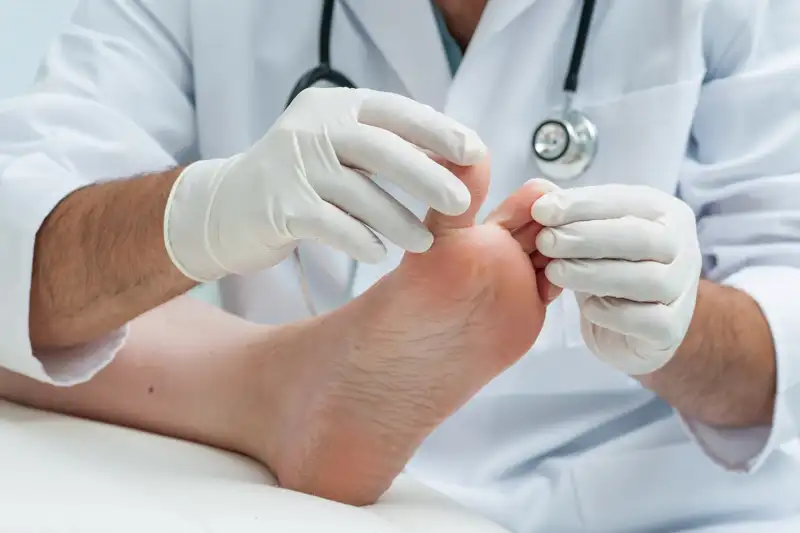
Eczema is a common skin condition affecting millions of people. It causes dry, itchy, and inflamed skin, often leading to significant discomfort. This article explores the condition’s nature, appearance, and approaches for management. Understanding these fundamentals provides a path toward recognizing symptoms and selecting effective management strategies. The condition takes several forms and can affect many body areas, making each person’s experience unique. Some have small patches of irritation, while others deal with larger outbreaks that disrupt daily routines and rest. Persistent itch, irritation, and changes in the skin can reduce overall well-being.
Understanding Eczema
Eczema, also known as atopic dermatitis, describes a group of skin conditions that produce inflammation. The disorder often has a genetic link and runs in families. It is also associated with other allergic tendencies, such as asthma and hay fever. Gene variations can weaken the skin’s protective barrier, reducing its ability to retain moisture and shield against irritants. When the skin barrier is compromised, external triggers such as soaps, fragrances, or stress become more likely to provoke a flare-up. The condition is not contagious, but certain environmental allergens like pollen, pet dander, or dust mites can also trigger symptoms. Changes in weather or exposure to harsh temperatures may contribute as well. By pinpointing genetic predisposition, immune response, and environmental triggers, individuals and healthcare professionals can collaborate to lessen both the frequency and severity of eczema symptoms.
Recognizing Eczema
Eczema’s symptoms vary for each person and can affect different parts of the body. Skin typically feels very itchy, and scratching may cause rashes that look red and inflamed. Some people develop raised bumps, which may leak and form crusts. Over time, repeated scratching causes thickening or hardening of the skin, a process called lichenification, while some patches lighten or darken in color. The severity and placement of these symptoms often depend on the individual’s age, the specific form of eczema, and their response to treatment. Some have outbreaks only on the hands, face, or in the creases of elbows and knees. Symptoms may come and go, with some experiencing mild, occasional flare-ups, and others facing more persistent episodes that disrupt routines. Living with visible symptoms can affect self-esteem, leading some to avoid social situations. Managing eczema supports both physical comfort and daily activities.
Managing Eczema
No cure exists for eczema, but treatment can help control symptoms and reduce flare-ups. A healthcare provider diagnoses eczema by examining the skin and reviewing the medical and family background. There is no definitive laboratory test to confirm eczema, so the process centers on observing signs and symptoms. In some cases, patch testing may be used to exclude other conditions, although it does not diagnose eczema by itself. Management is unique for every person and involves both daily skin care and medical guidance. Common approaches include using mild cleansers, applying moisturizers, avoiding known triggers, and refraining from scratching. Doctors prescribe topical corticosteroids or non-steroidal creams as needed, and for severe cases, other options like light therapy or oral medications may be recommended. Collaboration with a healthcare provider helps refine the treatment plan and supports long-term relief.
Find Help
With consistent care and professional guidance, people can improve skin comfort and minimize disruptions caused by eczema. Regular follow-up treatments remain effective as symptoms change over time, leading to improved quality of life within the context of this chronic condition. Find help treating the condition by talking to a specialist.