
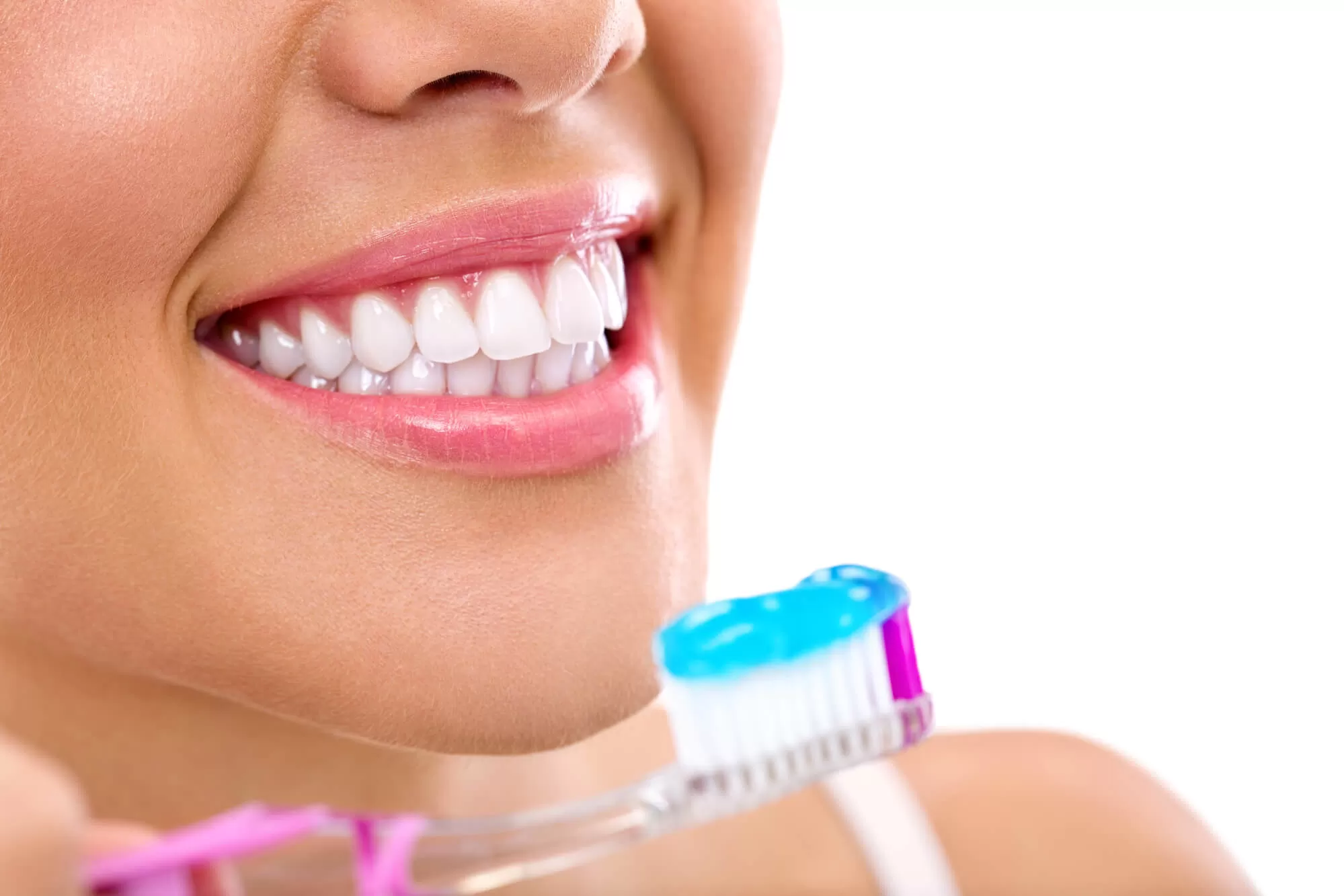
Teeth can lose their natural brightness due to a range of factors. This may lead people to use whitening products to achieve a lighter shade. Understanding how teeth become discolored, the function of whitening agents, and how to sustain results is useful for individuals interested in improving the appearance of their smile, allowing them to pursue teeth whitening with clarity.
What Causes Teeth Discoloration?
Extrinsic discoloration occurs on the enamel, the outermost layer of the teeth. Enamel can absorb pigments from common foods and beverages such as coffee, tea, red wine, and dark berries. Tobacco products also leave persistent stains on the enamel, which results in visible brown or yellow discoloration. These stains are superficial and can often be improved with whitening products.
Intrinsic discoloration develops below the enamel in the dentin, which has a naturally yellow hue compared to the enamel’s whiter appearance. Factors causing intrinsic stains include tooth trauma, which may darken the affected tooth. Certain medications can also lead to internal staining. Because intrinsic stains originate deeper inside the tooth, they tend to be more difficult to address. With age, enamel thins, exposing more of the underlying dentin.
How Does Teeth Whitening Work?
Most teeth whitening is achieved through various active ingredients and agents that address surface and deeper stains on the teeth. These compounds penetrate the enamel, breaking down stain molecules through a chemical reaction. Fluoride is an ingredient found in some whitening products, though its primary role is to strengthen tooth enamel and reduce sensitivity rather than bleach stains. Fluoride can help maintain the results of whitening treatments and minimize post-whitening sensitivity.
Potassium nitrate is also included in some whitening formulations. Its main function is to alleviate tooth sensitivity, calming the nerve endings in teeth during and after the whitening process. While fluoride and potassium nitrate do not act as primary whitening agents, they support whitening by promoting enamel health and improving comfort throughout the process.
How Is Whitening Maintained?
Effective whitening can fade with time, highlighting the need for preventive steps. Maintenance involves minimizing new stains, practicing thorough oral care, and performing occasional touch-up treatments. Food and drink choices significantly impact how long whitening results last, so reducing the intake of staining beverages and foods helps slow new discoloration.
Oral hygiene plays a key role. Brushing twice per day and flossing daily removes debris and prevents buildup that contributes to staining. Whitening toothpastes, which contain mild abrasives or very low levels of chemical whitening agents, can help maintain surface brightness by gently removing recent stains. Touch-up whitening may be required, especially for those whose habits or genetics lead to frequent staining. The frequency of touch-ups varies according to each person’s dietary choices and original whitening method.
Speak Further With Your Dentist
Selecting a teeth whitening method is best done with dental advice. A dental provider can help identify the type of staining and recommend the safest and most effective whitening options. A dentist can also instruct on maintaining whitening results and monitor for side effects, supporting both the safety and satisfaction of the whitening process.