
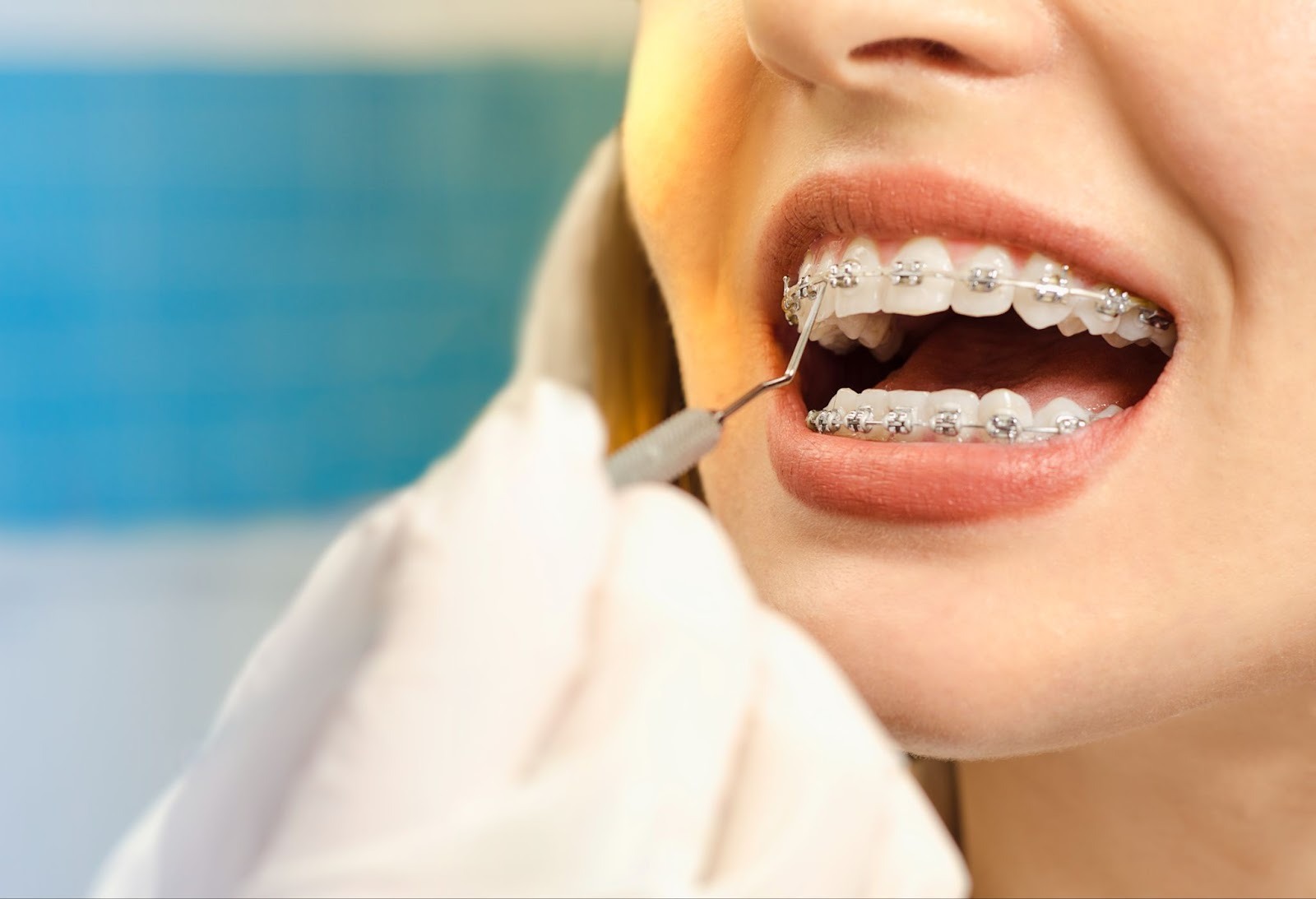
Orthodontics is a specialized field of dentistry focused on diagnosing and treating dental and facial irregularities. While many associate braces with teenagers, early orthodontic intervention addresses issues in younger children. This approach aims to address developmental concerns before they become more complex problems, and it focuses on allowing permanent teeth to emerge. Here are some of the benefits of early orthodontic intervention:
Guided Jaw Development
Early evaluation allows an orthodontist to identify potential jaw growth issues. Guiding jaw growth may create a more balanced facial structure, so it is a common focus of early treatment. The bones are still developing in young children, which makes them more responsive to orthodontic appliances. Correcting jaw misalignments early might prevent the need for more extensive procedures later in life.
Reduced Risks
Early treatment may lower the risk of trauma to protruding front teeth. Children with significantly protruding teeth are more susceptible to chips and fractures, and addressing this alignment can offer a protective effect. Additionally, early intervention can correct harmful oral habits. Certain habits, such as thumb sucking or tongue thrusting, may cause developmental issues if they continue for too long.
Correcting these habits early on is beneficial. Since prolonged habits affect tooth alignment and jaw development, stopping them helps guide growth in a more favorable direction. An orthodontist provides appliances that make these habits less comfortable, and they support the child in breaking the pattern. This guidance helps protect the developing dental structures from undue pressure.
Addressing these issues at a younger age might also reduce the complexity of future orthodontics. Correcting bite problems like crossbites early prevents asymmetrical jaw growth. When the jaw grows unevenly, it typically leads to more complicated treatment needs in the teenage years. Early correction sets a better foundation.
Improved Oral Health
When teeth are crowded or crooked, they are more difficult to clean effectively. This difficulty increases the chances of plaque buildup. Early orthodontic treatment that aligns teeth can make brushing and flossing simpler for children. Better alignment provides easier access to all tooth surfaces.
Improved alignment has other functional benefits. It might help with proper chewing and reduce uneven wear on teeth. A misaligned bite can put stress on certain teeth, but a corrected bite distributes chewing forces more evenly. This helps maintain the long-term health of the teeth.
Increased Space for Teeth
One purpose of early intervention is to create adequate space for permanent teeth. Sometimes, there is not enough room in the jaw for all the adult teeth to erupt properly. Early treatment can expand the arches, which provides the necessary space for teeth to come in straight. This method may prevent the need for tooth extractions later.
Creating space involves several techniques, including:
- Using a palatal expander.
- Guiding the eruption of permanent teeth.
- Preserving space from prematurely lost baby teeth.
An orthodontist will assess the child’s specific needs, and this helps them determine the right course of action. Because the jaw is still growing, it is more adaptable to these types of gentle adjustments.
Find Orthodontics Near You
Early orthodontic intervention focuses on addressing specific developmental issues in children. It aims to guide jaw growth and create a healthy environment for permanent teeth. If you have questions about your child’s dental development, seeking a professional opinion is a good first step. Schedule a consultation with an orthodontist to learn more about your options.