
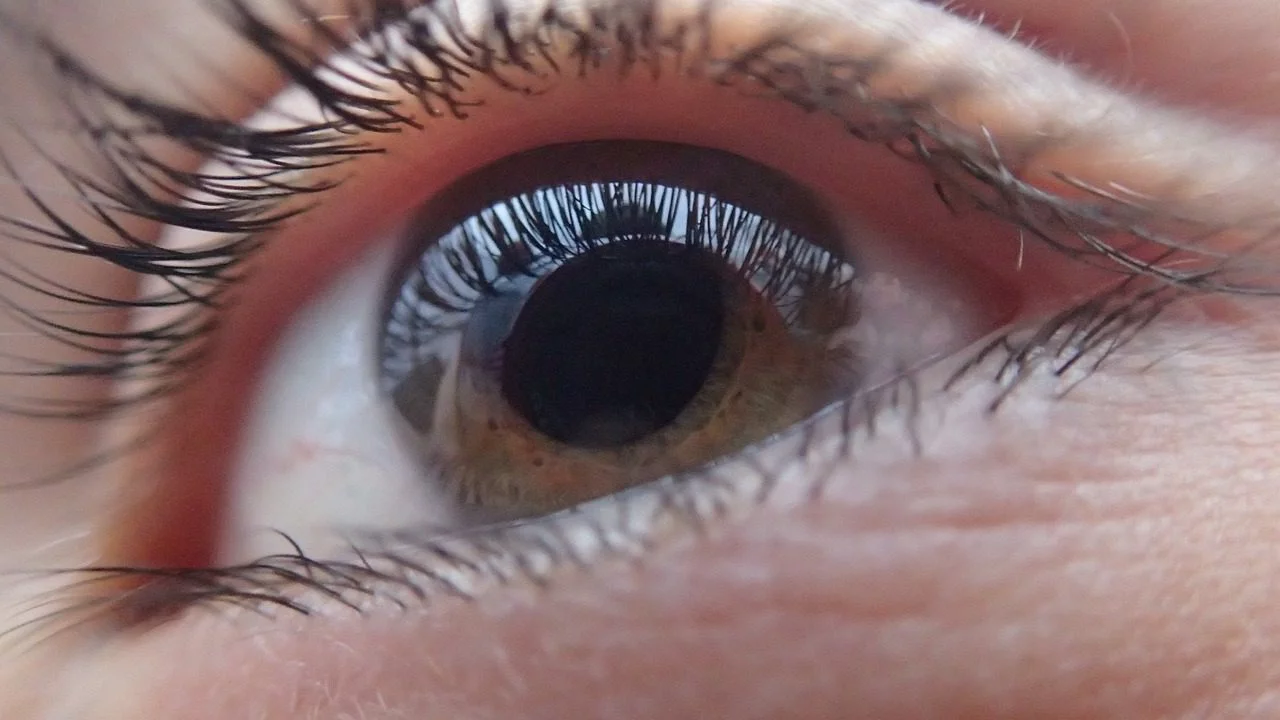
Glaucoma is a group of eye conditions that damage the optic nerve, and this happens because of abnormally high pressure in the eye. Since the optic nerve transmits visual information from the eye to the brain, its health is necessary for good vision. You might not notice any symptoms at first, but the disease progresses silently over time. Here is how this condition affects your daily life and vision:
Eye Pain and Headaches
Some forms of glaucoma produce sudden and intense symptoms that require immediate attention. The pressure inside the eye rises rapidly, and severe pain radiates through the eye and forehead. As this is not a subtle discomfort, you experience a throbbing ache that does not respond to typical pain relievers.
Nausea and vomiting may accompany this severe eye pain. Your body reacts physically to the extreme pressure building within the eye structure. You might mistake these symptoms for a migraine or a severe case of the flu. If you experience sudden eye pain with nausea, seek medical help immediately.
Loss of Peripheral Vision
Peripheral vision loss acts as one of the first warning signs of glaucoma. You may feel like you are looking through a tunnel, and objects to the side become invisible. Because this symptom develops slowly, you might miss it in the early stages. The narrowing of your field of view makes navigation difficult in crowded spaces.
Driving becomes particularly dangerous when your side vision disappears. You might fail to see a car merging from another lane, or you could miss a pedestrian stepping off the curb. Once this stage of vision loss occurs, some people surrender their driver’s licenses. Losing the ability to drive significantly impacts your independence and mobility.
Simple tasks at home may become much more challenging. You might bump into door frames as you walk through your house, and objects placed on the edge of a table or desk may go unnoticed until you knock them over. When this happens, these daily frustrations accumulate and change how you interact with your physical environment.
Halos Around Lights
Seeing halos around lights creates a disorienting visual experience. You look at a streetlamp or a car headlight, and you see rainbow-colored circles surrounding the light source. When this happens, these visual distortions make nighttime activities difficult or impossible to perform safely:
- Driving at night becomes hazardous.
- Watching television in a dark room strains the eyes.
- Navigating dimly lit areas increases the risk of falls.
- Reading under artificial light becomes frustrating.
Vision That Blurs
Blurry vision affects your ability to perform tasks that require sharp focus. You might clean your glasses repeatedly, but the smudge remains in your line of sight. This blurriness fluctuates throughout the day as eye pressure shifts. When this condition worsens, it interferes with reading, cooking, and recognizing faces from a distance.
Get Treated for Glaucoma
Early diagnosis offers an ideal chance to slow the progression of this disease. An eye doctor checks your eye pressure, and they examine the optic nerve for signs of damage. Regular eye exams detect issues before significant vision loss occurs. Schedule an appointment with an eye care professional today to protect your vision.
- Exploring Services Offered at a Bone and Joint Clinic
- Understanding the Different Types of Allergy Testing Available
- 3 Strategies for Managing Depression in Daily Life
- Understanding Chronic Conditions Managed by Internal Medicine Specialists
- Understanding the Different Types of Allergy Testing Available