
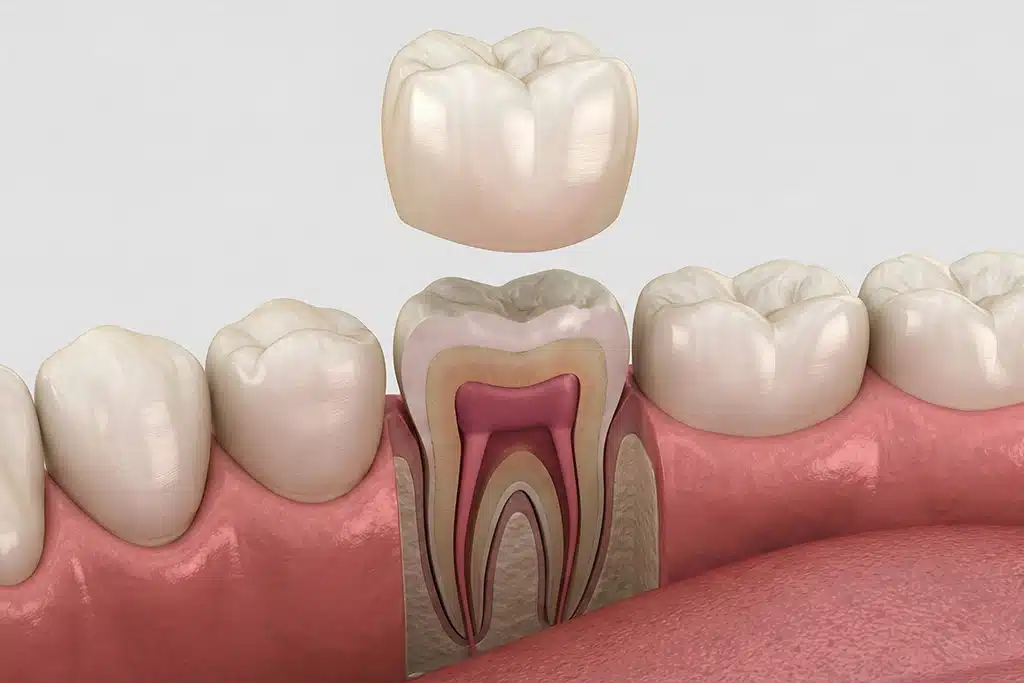
If your tooth is damaged or decayed, dental crowns can cover and protect it. A crown fits over your tooth, and it restores both function and appearance. Your dentist selects the material based on the tooth location, your bite, and your needs, so you receive a result that suits your situation. Understanding your options helps you prepare.
Durable Materials for Crowns
Cast gold offers durability for teeth that handle heavy chewing. This material wears at a rate similar to natural enamel, so it may cause less wear on opposing teeth. Because crowns require less tooth removal during preparation, your dentist can preserve more of your natural structure. The gold color remains visible, so you may choose it for teeth that others cannot easily see. Gold dental crowns can last many years with proper care. Longevity and function are your main concerns, so cast gold is worth discussing with your dentist.
Natural-Looking Aesthetic Crown Materials
Porcelain matches the color and translucency of natural teeth, making it a common choice for front teeth. It contains no metal, and your dentist shades it to blend with your surrounding smile. Your smile can still seem natural. Before choosing porcelain, discuss the following:
- Metal-free: Suitable for patients with metal sensitivities or allergies
- Natural appearance: Reflects light similarly to natural enamel for a seamless look
- Brittleness: More prone to chipping than other materials, especially with grinding or hard foods
- Shade matching: Your dentist customizes the color to match the surrounding teeth closely
Your dentist can advise whether porcelain suits your bite and lifestyle. Composite resin also mimics tooth color, since it looks similar. It bonds directly to the tooth surface, and your dentist can shape and polish it to blend naturally with surrounding teeth. Before choosing composite resin, discuss the following:
- Repairability: Easier to repair if chipped, often in a single visit
- Durability: Less resistant to wear and staining than porcelain over time
- Shade matching: Your dentist shapes and polishes it to blend with surrounding teeth
Your dentist can help you decide whether composite resin suits your needs.
Balanced Dual-Material Crown Options
Porcelain-fused-to-metal combines two properties in one crown. A metal base provides support, and a porcelain layer covers the surface for appearance. It suits patients who want durability without a full metal look. The metal substructure is typically made from a strong alloy, and it gives the crown a stable foundation. This holds up well under biting pressure. Your dentist bonds the porcelain layer directly to this base. The result is a crown that functions like a back tooth, but it looks like a natural one.
They can handle the demands of everyday chewing more. Some tooth structure must be removed to make room for both layers, so preparation is slightly more involved than with a single-material crown. The metal edge may also show slightly near the gumline over time, especially if your gums recede. Your dentist can position the crown carefully to minimize this effect. Selecting a high-quality porcelain shade helps the crown blend naturally with surrounding teeth. Still, many patients find this material a reliable middle option between gold and full porcelain.
Discuss Dental Crowns Today
Your dentist reviews your options, and they will recommend the material that fits your case. Each type of crown serves a purpose, and the right choice depends on your tooth and your goals. Once you understand the materials, you will discuss the process with your dentist. Together you plan the treatment. Call the office or book an appointment online, since you can learn what a crown does for you.