
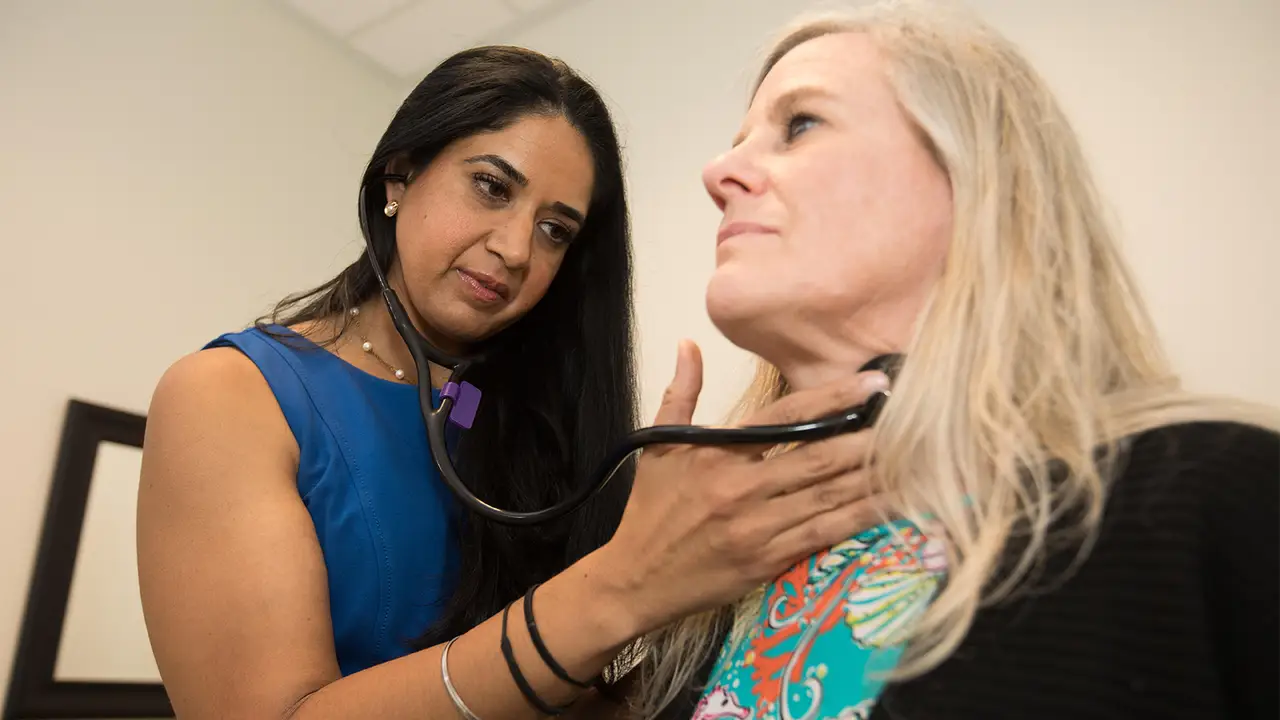
Cardiology specialists diagnose and treat conditions of the heart and blood vessels, and they track the factors that raise a woman’s risk over time. Since female patients typically present differently from men, these doctors can tailor their methods to those patterns. This is how they approach women’s heart health:
Prioritizing Early Prevention
Prevention starts long before symptoms appear. Cardiology specialists review your family history, and they measure baseline numbers like blood pressure and cholesterol. When a woman carries risk factors such as diabetes or a history of smoking, doctors build a plan around those specifics. This early groundwork shapes every decision that follows.
Lifestyle habits form a large part of this work. A cardiologist may map out targets, and they revisit those numbers at each visit. As habits shift over time, the plan gets adjusted at regular intervals.
Specialists may outline a few areas to track:
- Blood pressure and resting heart rate
- Cholesterol and blood sugar levels
- Weight and physical activity patterns
- Tobacco and alcohol use
Monitoring Reproductive Milestones
Reproductive events carry direct links to heart risk. Doctors ask about pregnancy history, and they note conditions like preeclampsia or gestational diabetes. Since these events signal future risk, specialists log them in your long-term record. Menopause also enters the discussion.
Hormonal shifts affect the cardiovascular system in measurable ways. A cardiologist reviews these transitions, and they adjust monitoring as your body changes. When estrogen levels drop during menopause, the risk profile shifts. This is why timing matters in a woman’s care.
Catching Atypical Symptoms
Women may report heart symptoms that differ from the classic chest pain. Specialists know these patterns, and they ask targeted questions during exams. Since a heart event may show up as fatigue or jaw discomfort, doctors probe beyond the obvious. Missing these clues delays treatment.
Some signs require attention even when they seem minor. A patient might feel nausea, and she might notice unusual shortness of breath. When symptoms cluster together, specialists take a closer look.
Atypical symptoms in women include:
- Fatigue that appears without exertion
- Pain in the neck, jaw, or back
- Shortness of breath or lightheadedness
- Nausea or cold sweats
Utilizing Diagnostics
Diagnostic tools confirm what an exam suggests. Specialists order tests based on your risk level, and they interpret results within the context of your history. Since standard tests sometimes miss issues specific to women, doctors select the tools that fit each case. The choice depends on your symptoms.
Several tests support this process. An electrocardiogram records electrical activity, and an echocardiogram shows the heart’s structure. When results point to blocked vessels, a doctor may recommend further imaging.
Results guide the next steps in care. A cardiologist reviews the data with you, and they explain what each finding means. Since clarity helps you follow the plan, specialists walk through options in plain terms. This keeps you informed at every stage.
Find Cardiology Specialists Near You
Women’s heart health calls for a focused approach. Cardiology specialists combine prevention, milestone tracking, symptom awareness, and diagnostics into one plan. Since each woman’s risk profile differs, these doctors adjust their methods to match your needs. Schedule an appointment with a cardiology specialist, and bring your questions to the visit.