
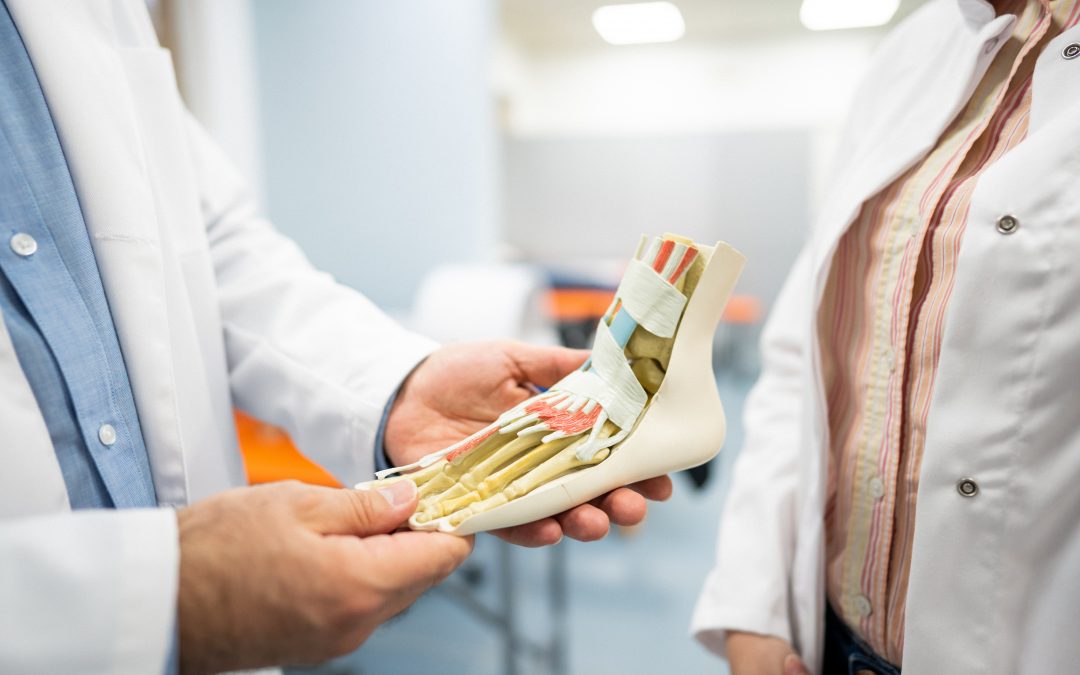
The human foot contains a highly complex network of bones, joints, muscles, tendons, and ligaments. This intricate structure works cohesively to support the entire weight of the body and facilitate all forms of upright movement. Because the feet bear such a significant daily physical burden, they require specialized podiatric services to maintain their function when their health becomes compromised.
What Are Podiatric Services?
Podiatric services encompass the comprehensive medical and surgical care of the foot, ankle, and connected structures of the leg. The practitioners who provide this specialized care are known as podiatrists, and their extensive education allows them to deeply understand the biomechanics, anatomy, and pathology of the feet and ankles. The scope of this medical discipline ranges from basic preventative care to advanced reconstructive surgery. By focusing specifically on the lower limbs, these specialists can accurately diagnose subtle mechanical imbalances and structural abnormalities that a general practitioner might miss.
What Conditions Do They Treat?
Podiatrists manage an array of physical ailments affecting the lower limbs, and structural deformities represent a significant portion of cases. Bunions, which are painful bony bumps that develop on the joint at the base of the big toe, frequently require specialist intervention. Hammertoes also fall firmly within this treatment category. These are characterized by an abnormal bend in the middle joint of a toe.
These professionals also frequently treat soft tissue injuries and other mechanical stress disorders. Plantar fasciitis, a leading cause of heel pain, involves the inflammation of the thick band of tissue running across the bottom of the foot. Achilles tendonitis, ankle sprains, and stress fractures routinely require podiatric evaluation to promote proper healing and prevent long-term joint instability. For individuals with circulation deficiency, podiatrists manage complex complications like foot ulcers, working diligently to prevent severe outcomes.
What Services Fall Under It?
A comprehensive array of diagnostic, conservative, and surgical treatments falls under the purview of podiatric medicine. Diagnostic services often involve advanced imaging technologies to look beneath the skin and accurately assess bone and soft tissue damage. Conservative, non-invasive treatments represent the first line of defense for most foot and ankle complaints. Physicians may prescribe custom orthotic devices. These specialized shoe inserts are fabricated to fit a specific patient’s feet, correcting abnormal walking patterns and relieving pressure points.
When conservative measures do not resolve the underlying issue, surgical interventions become necessary. Podiatric surgery ranges from minor in-office procedures to complex operations. Reconstructive foot surgery can realign deformed joints and repair broken bones and ruptured tendons.
Seek Professional Medical Care
Recognizing early indicators of foot problems prompts timely medical evaluation, which can dramatically alter the long-term progression of systemic diseases. Seeking care from a qualified specialist provides access to advanced biomechanical evaluations, such as gait analysis. Because foot mechanics directly influence the alignment of the entire skeletal system, addressing lower extremity issues often relieves chronic pain in other areas of the body. Always consult a medical professional for an accurate diagnosis and a customized treatment plan tailored to your specific physical needs.