
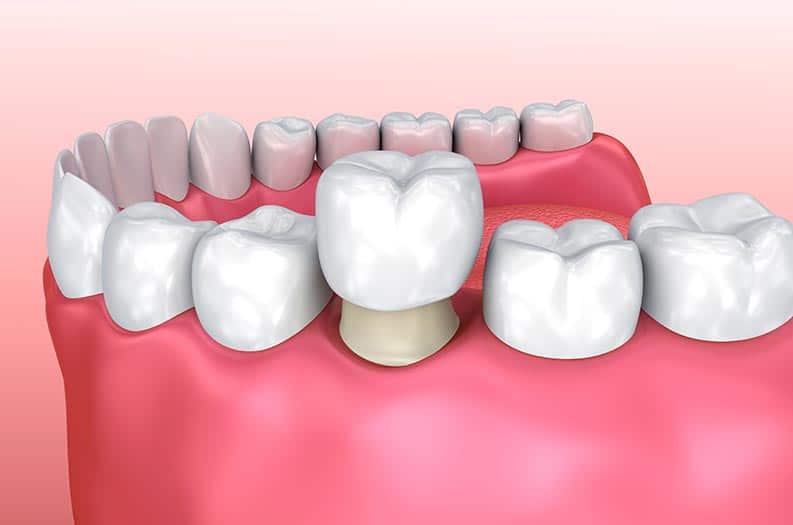
Dental crowns are durable restorations designed to protect weakened teeth, restore function, and enhance appearance. While dental crowns are crafted from strong materials such as porcelain, ceramic, or metal alloys, their longevity depends largely on proper care and maintenance. Consistent oral hygiene practices, mindful dietary choices, and routine dental checkups all play a significant role in preserving their integrity.
Maintain Daily Oral Hygiene
To care for your dental crowns, start with a solid daily routine. Brush your teeth twice a day with a soft-bristled toothbrush. Use fluoride toothpaste for the best results. Focus on where your crown meets your gum line. This area can trap food and bacteria. Floss at least once a day to remove plaque.
When flossing, be gentle around your crown. Slide the floss carefully between your teeth. Curve it against each tooth’s surface. Avoid snapping the floss down. This could damage or dislodge your crown. Rinsing with an antimicrobial mouthwash also helps. It reduces bacteria and freshens your breath. This step protects your crown and natural teeth.
Protect Dental Crowns from Damage
Your custom dental crown is strong but not indestructible. Certain habits and foods can damage it by causing chips, cracks, or loosening. Avoid chewing on hard items like ice, hard candies, or pen caps. Never use your teeth to open packages or bottles, as this can compromise the durability of your crown.
If you grind your teeth at night, ask your dentist about a night guard. Grinding puts excessive pressure on your crown and can wear it down over time. A custom-fitted night guard protects your teeth by creating a barrier between your upper and lower teeth. Additionally, avoid sticky or chewy foods like caramel, taffy, or gummies, as they can loosen the crown’s bond. Cutting hard foods into smaller pieces reduces stress on your crown and helps maintain its integrity.
Monitor for Early Warning Signs
Pay attention to any changes in your crown. Contact your dentist if you notice looseness or sensitivity. Pain when biting down is also a concern. These symptoms may mean your crown needs adjustment or has decay. Regularly check your crown for chips, cracks, or discoloration. Porcelain crowns can chip under force, while metal ones are stronger. Finding damage early leads to quicker, simpler repairs.
Your gum health is also necessary. Look for swelling, redness, or bleeding around the crowned tooth. These signs could point to gum disease or an infection. Addressing these issues promptly can save your crown. It also protects your overall oral health.
Schedule Routine Dental Care Visits
Visit a dental clinic twice a year for cleanings and exams to maintain the health of your teeth and dental crown. Your dentist will check the fit and condition of your crown, thoroughly clean around it, and address potential issues early. These regular visits also help remove plaque and tartar that brushing might miss, keeping your crown polished and your oral health in top shape.
If you play contact sports, use a custom mouthguard to protect your crown and teeth from injuries. Custom mouthguards are more comfortable and effective than store-bought options, offering better protection during athletic activities. Professional cleanings take less than an hour but provide immense value for maintaining your dental crown and overall oral health.
Schedule Your Dental Crowns Appointment
Your dental crowns deserve the same attention and care as your natural teeth. Following these maintenance tips will help you get the most out of it to look great. Consistent daily hygiene, protective habits, awareness of warning signs, and regular dental visits work together to preserve your crown. If you have questions about caring for your tooth crown or need to discuss your options, consult a dentist near you to help you maintain optimal oral health.