
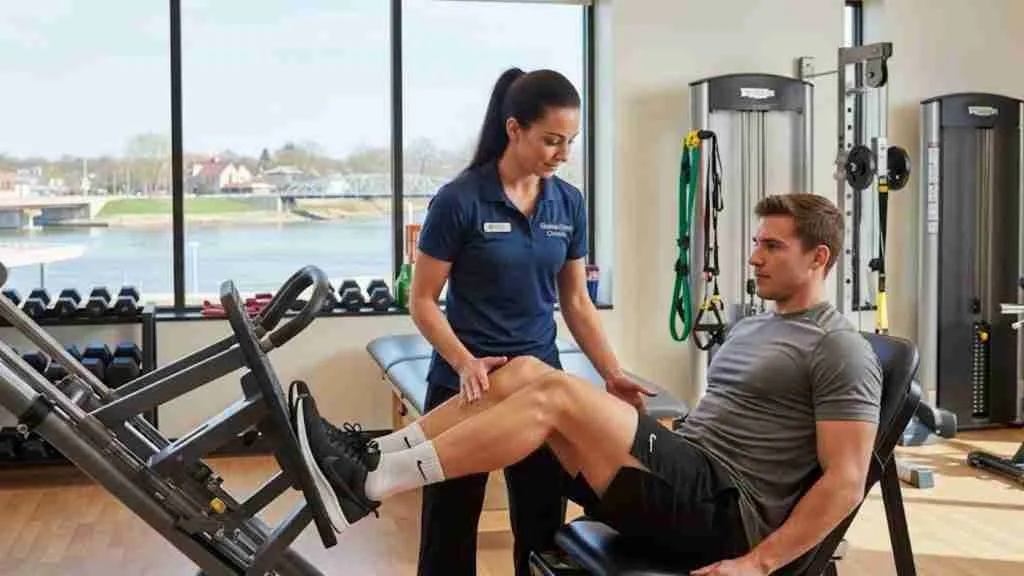
Sports injuries affect athletes and active individuals across all age groups and skill levels. These injuries can range from minor strains to severe tears that limit mobility and performance. Physical therapy, also called physiotherapy, offers a structured approach to recovery, helping patients regain strength, flexibility, and function after experiencing sports-related trauma.
Common Sports Injuries
Physical therapy addresses a wide variety of injuries that occur during athletic activities. Sprains and strains are among the most frequent problems, affecting ligaments and muscles throughout the body. Tendonitis develops when tendons become inflamed from overuse or repetitive motion.
Fractures can occur in contact sports or high-impact activities. Rotator cuff injuries affect the shoulder and are common in sports requiring overhead movements. Anterior cruciate ligament, or ACL, tears represent serious knee injuries that require extensive rehabilitation.
Other conditions include:
- Tennis elbow
- Shin splints
- Stress fractures
- Meniscus tears
- Achilles tendon injuries
- Hip pain
Physical Therapy Appointments
A typical physiotherapy session begins with an evaluation of your injury and current physical condition. The therapist assesses your range of motion, strength, flexibility, and pain levels to create a personalized treatment plan. During subsequent appointments, you’ll perform exercises and stretches tailored to your specific injury and recovery goals.
Manual therapy techniques may be incorporated, where the therapist uses hands-on methods to manipulate muscles and joints. These techniques can reduce pain and improve mobility. You might also receive education about proper body mechanics and injury prevention strategies that apply to your sport or activity.
Treatment modalities such as heat, ice, ultrasound, or electrical stimulation may complement your exercise program. The therapist adjusts your treatment plan as you progress, gradually increasing difficulty to match your improving capabilities. Most patients attend multiple sessions per week for several weeks or months, depending on injury severity.
Physical Therapy Benefits
Physiotherapy helps reduce pain without relying solely on medications. Therapeutic exercises and manual techniques target the source of discomfort while promoting natural healing processes. Many patients experience significant pain relief as treatment progresses.
Restoring mobility stands as another primary benefit. After an injury, muscles and joints can become stiff or weak, limiting your ability to move freely. Through targeted exercises, physiotherapy rebuilds strength and flexibility in affected areas.
Physiotherapy also helps prevent future injuries by addressing underlying weaknesses or imbalances that contributed to the original problem. Your therapist teaches proper movement patterns and strengthening exercises that protect vulnerable areas. This education reduces the likelihood of reinjury when you return to athletic activities.
Signs You Need Therapy
Persistent pain that doesn’t improve with rest signals a need for professional intervention. If you’ve taken time off from your sport but still experience discomfort during daily activities, physical therapy can help identify and address the underlying cause.
Difficulty performing movements you could previously do with ease indicates a functional limitation requiring attention. Whether you struggle with running, jumping, or reaching overhead, these limitations suggest an injury that needs rehabilitation.
Additional indicators include:
- Swelling that persists for more than a few days
- Reduced range of motion in a joint
- Weakness in specific muscle groups
- Instability or feeling like a joint might give out
Recurring injuries in the same area suggest incomplete healing or unresolved biomechanical issues. Physical therapy can break this cycle by thoroughly addressing all factors contributing to repeated trauma.
Learn More About Physical Therapy
Physical therapy provides a comprehensive approach to treating sports injuries through pain management, mobility restoration, and prevention strategies. A qualified therapist evaluates your specific condition and designs a treatment plan that addresses your unique needs and goals. Through consistent participation in therapy sessions and home exercises, most athletes successfully return to their chosen activities. If you want to learn more about physical therapy and what it can do for sports injuries, consult a physical therapist near you.