
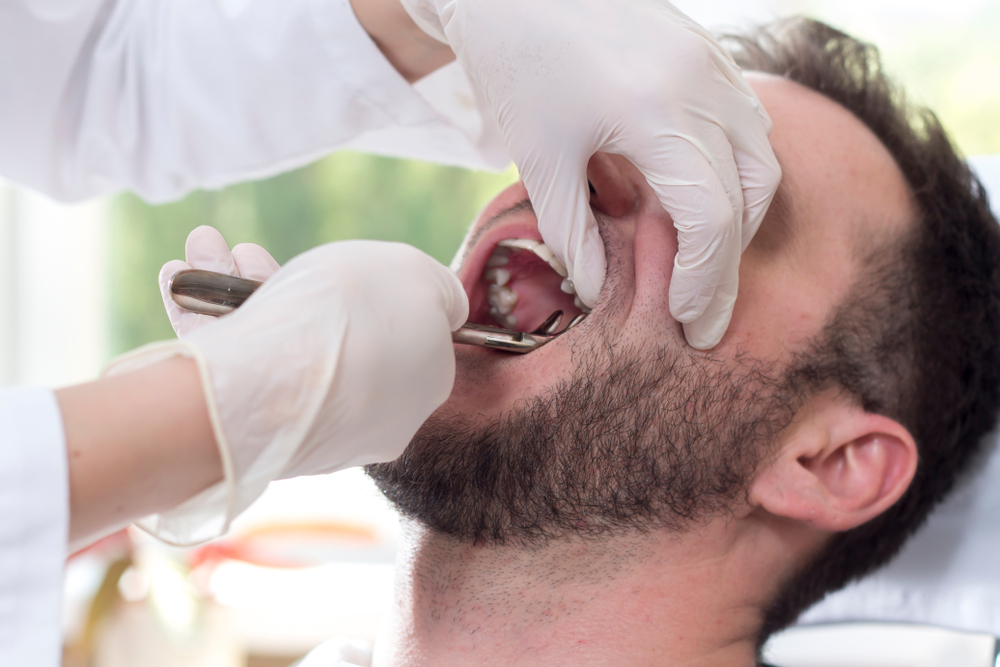
The decision to undergo a dental procedure often involves questions about the process and the specialists involved. When wisdom tooth removal is recommended, patients can be referred to an oral surgeon. Understanding the role of this specialist and the details of the procedure can help individuals prepare for their treatment and anticipate a proper recovery.
What Is an Oral Surgeon?
An oral surgeon is a dental specialist with advanced training in the surgery of the mouth, jaw, and face. Their expertise extends beyond tooth extractions to include treating diseases, injuries, and defects in the head, neck, face, and jaws. This specialized background equips oral surgeons to handle both routine and complex cases, such as the removal of impacted wisdom teeth that are trapped beneath the gum line or in the jawbone. General dentists perform routine extractions, but they may refer more complicated cases to an oral surgeon. The surgeon’s advanced knowledge of facial anatomy and surgical techniques allows them to perform procedures with a high degree of precision, managing potential complications that may arise.
What Is Wisdom Tooth Removal?
Wisdom tooth removal is a surgical procedure to extract one or more of the third molars, which are located in the back of the mouth. These teeth are the last to emerge, typically appearing between the ages of 17 and 25. There is not enough space in the jaw for these teeth to grow in properly for many people.
This lack of space can lead to several issues. Wisdom teeth may become impacted, meaning they are unable to fully erupt through the gums. They might grow in at an angle and push against adjacent teeth, or they may remain completely enclosed within the jawbone. The goal is to remove the teeth before their root structure is fully developed, which often makes the procedure and recovery simpler.
What Should You Expect?
Before the surgery, you will have a consultation with the oral surgeon. The surgeon will take X-rays to evaluate the position of your wisdom teeth and discuss the procedure with you. This is the time to ask questions. Depending on the complexity of the extraction and your comfort level, you may receive local anesthesia or sedation.
On the day of the procedure, you will receive the chosen type of anesthesia. The surgeon will then open the gum tissue over the tooth and remove it. In some cases, the tooth may be divided into sections to make it easier to remove. After the tooth is extracted, the site is cleaned of any debris, and the wound is closed with stitches. Gauze is then placed over the extraction site to help control bleeding and encourage clot formation.
Recovery begins immediately after the surgery, and you will rest until the effects of the anesthesia wear off. Your surgeon will provide specific post-operative instructions for managing pain, swelling, and diet. It is common to experience some swelling and mild discomfort for several days. A diet of soft foods is recommended initially, and you will be advised to avoid strenuous exercise to facilitate healing.
Confer With Your Surgeon
Following your surgeon’s guidance after the procedure is fundamental for a successful recovery. Adhering to post-operative instructions can minimize complications like dry socket, a painful condition that occurs if the blood clot at the extraction site dislodges. Your surgeon will schedule a follow-up appointment to monitor your healing and address any concerns you may have.