
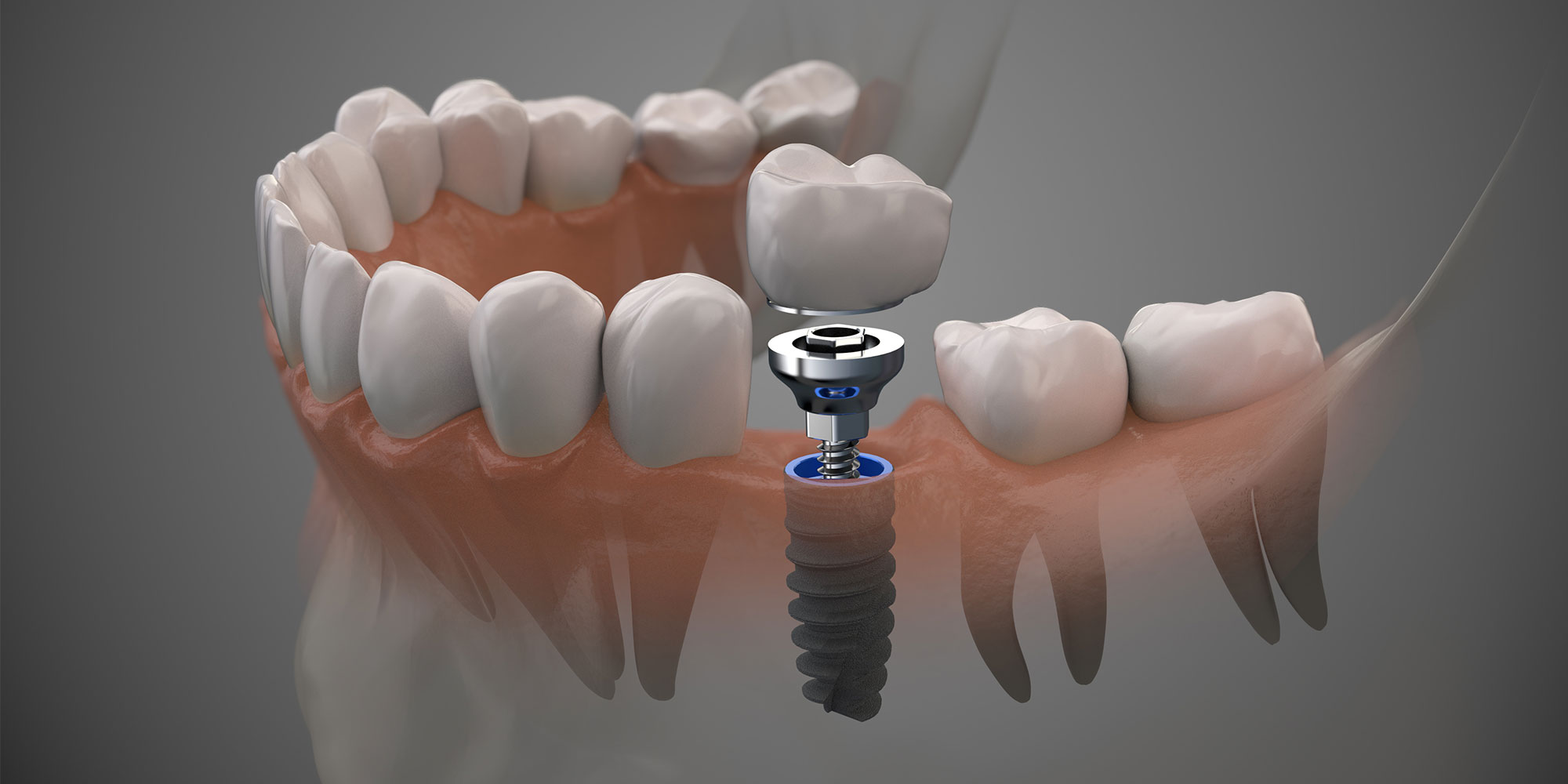
Dental implants are a common option for tooth replacement; they use a titanium post placed in the jawbone to act as a root for a replacement tooth or crown. Understanding when to discuss this option with your dentist is a key step. You can start the conversation if you are missing one or more teeth or if you are looking for a different solution than removable dentures. A conversation with your dental provider can help determine if implants are a suitable choice for your situation.
Tooth Loss
One of the most common times to inquire about dental implants is after losing a tooth. Tooth loss may happen for various reasons, such as an unexpected injury, advanced tooth decay, or severe gum disease. When a tooth is missing, it can make chewing difficult, and it may also affect your speech. Missing a tooth can eventually cause nearby teeth to shift, resulting in alignment and bite issues. Dental implants offer a fixed, stable solution that functions very much like a natural tooth. Integrated into the jawbone, implants are a durable, long-term solution that helps keep your teeth aligned and maintain jaw structure. Speaking with your dentist soon after tooth loss is advisable. It allows you to explore all available replacement options and determine if an implant is the best course of action for your oral health.
Denture Comfort
Many people use dentures to replace multiple missing teeth, but they are not the ideal fit for everyone. For some individuals, dentures can be uncomfortable, feel bulky, or irritate the gums. Removable dentures can sometimes slip or click while eating or speaking. They require specific, often meticulous cleaning routines and may require frequent adjustments or relining as your jaw shape changes. If dentures negatively affect your daily life, it may be time to ask your dentist about implants. Because implants are securely anchored in the jawbone, they do not move and do not require removal for cleaning. This stability offers a more convenient and natural-feeling alternative for many patients, allowing them to eat, speak, and smile with greater comfort.
Adequate Oral Health
A key factor in the suitability of dental implants is your overall oral health. To be a candidate for implants, you generally need healthy gums and sufficient jawbone density to support the implant post. Your dentist may use X-rays or scans to examine your bone structure and gums. Conditions like untreated gum disease or significant bone loss may need to be addressed before an implant procedure can be done. Maintaining good oral hygiene is recommended for the long-term success of dental implants, so a commitment to regular brushing and flossing is advisable.
Ask About Dental Implants Today
Deciding on the best way to replace missing teeth is a significant decision that involves careful consideration of your oral health and personal preferences. Dental implants offer a permanent and stable solution, but a consultation is needed to confirm they are right for you. If you are experiencing tooth loss, find your dentures challenging, or believe you have the necessary oral health for the procedure, scheduling a conversation with your dentist is a proactive next step. Your dental professional can provide a complete evaluation, answer your questions, and explain the process in detail.