
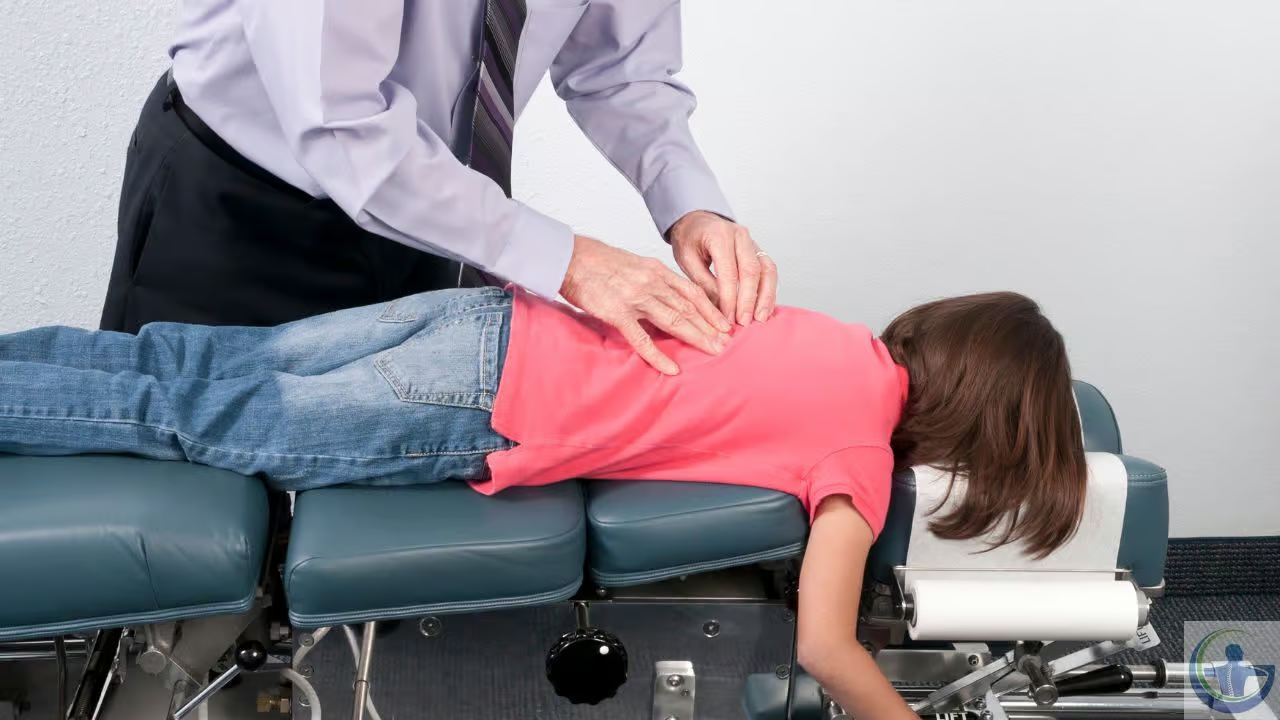
A herniated disc is a spinal condition that can impact daily life, causing pain and restricting movement. The spine is composed of vertebrae cushioned by small, rubbery discs that act as shock absorbers. When one of these discs becomes damaged, the inner material can push through the outer layer, and this displacement leads to mobility issues that vary in severity. Understanding the mechanics of this condition helps patients seek appropriate medical intervention.
What Is a Herniated Disc?
A herniated disc, sometimes called a slipped or ruptured disc, occurs when the soft center of a spinal disc pushes through a crack in the tougher exterior casing. The spinal column is an intricate structure of bones, nerves, and connective tissue, and these discs play a valuable role in maintaining flexibility and absorbing impact. When a disc herniates, the protruding material can irritate or compress the spinal nerves, resulting in pain or radiating symptoms.
This condition can occur anywhere along the spine, though it most often affects the lower back or the neck. The location of the herniation determines where the patient feels pain and which body parts are affected. While some people may have a herniated disc without knowing it, others experience debilitating symptoms that require immediate attention.
What Causes It?
Disc herniation is often the result of gradual, aging-related wear and tear known as specific disc degeneration. As people age, their spinal discs lose some of their water content, which makes them less flexible and more prone to tearing or rupturing with even a minor strain or twist. This natural aging process weakens the spine’s structural integrity, and it increases the risk of injury during everyday activities.
What Are the Symptoms?
Symptoms vary depending on the disc’s position and whether it is pressing on a nerve. Most herniated discs occur in the lower back, causing pain that radiates into the buttocks, thigh, and calf, a condition known as sciatica. If the herniation is in the neck, the pain typically affects the shoulder and arm, and it may be intensified with specific head movements. Numbness or tingling in the body part supplied by the affected nerves is another symptom.
How Is Mobility Affected?
Mobility is sometimes compromised in patients with a herniated disc due to pain, muscle weakness, and stiffness. Simple actions, such as bending over to tie a shoe or sitting for prolonged periods, can become difficult or even impossible without substantial discomfort. The body often reacts to the pain by altering posture or gait; this may lead to secondary muscle strain and further reduced range of motion.
What Are the Treatment Options?
Conservative treatments include rest, medication, and physical therapy. Physical therapy involves specific exercises designed to strengthen the muscles that support the spine, and it helps improve flexibility. Therapists may also use other techniques to alleviate pain and promote healing without surgical intervention.
If conservative measures fail to provide relief, spinal injections may be recommended to reduce inflammation and pain. Corticosteroid injections are delivered directly into the area around the spinal nerves, and they provide temporary relief. This approach aims to manage symptoms while the body heals the disc naturally. For cases in which pain persists, minimally invasive surgery may be evaluated.
Consult a Specialist Today
Addressing a herniated disc promptly is necessary to prevent long-term damage and restore quality of life. Medical professionals can provide a comprehensive evaluation, and they will create a tailored treatment plan suited to individual needs. Schedule a consultation with a spine surgeon today.